paradigm.(0)
the concept:
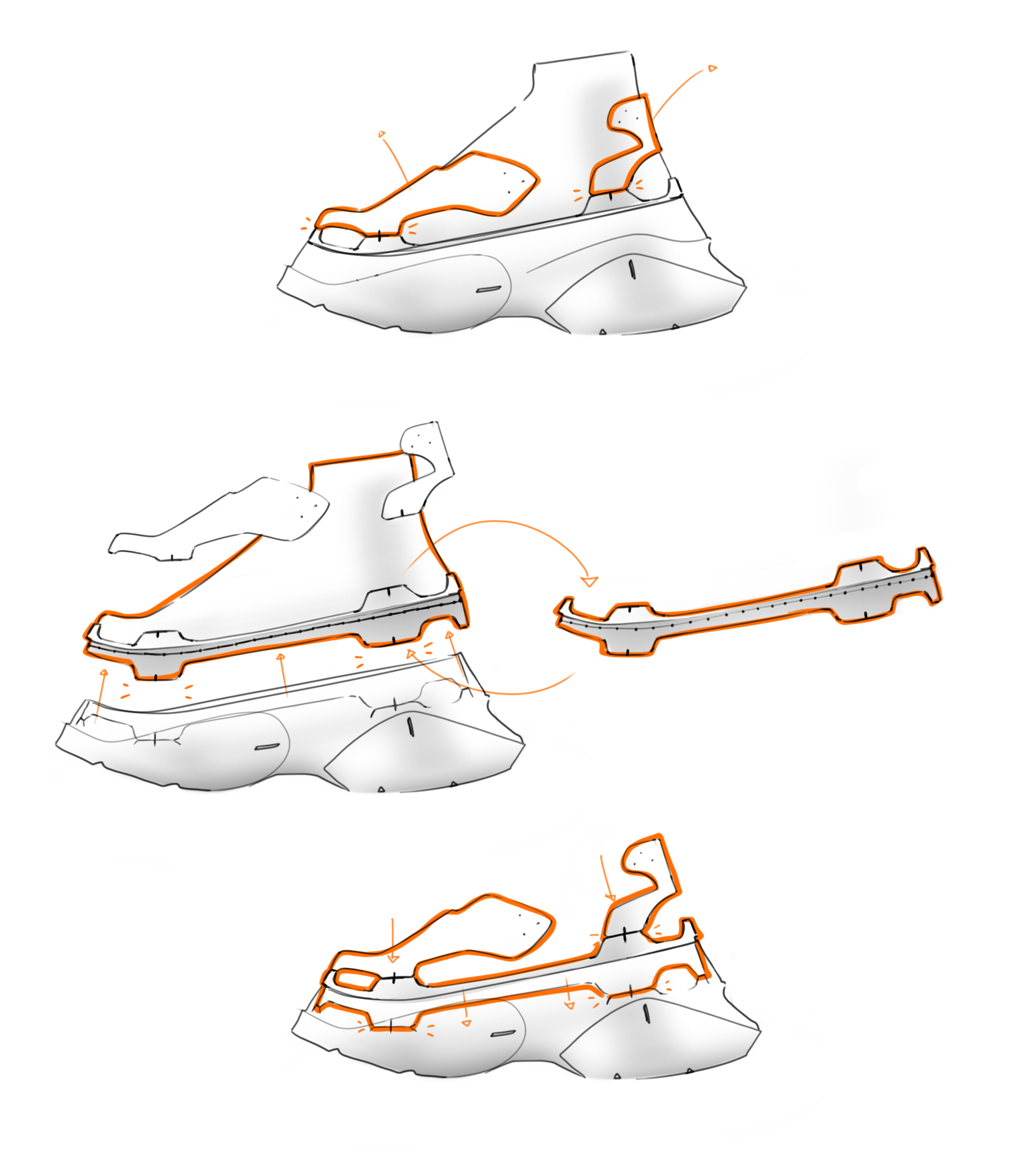
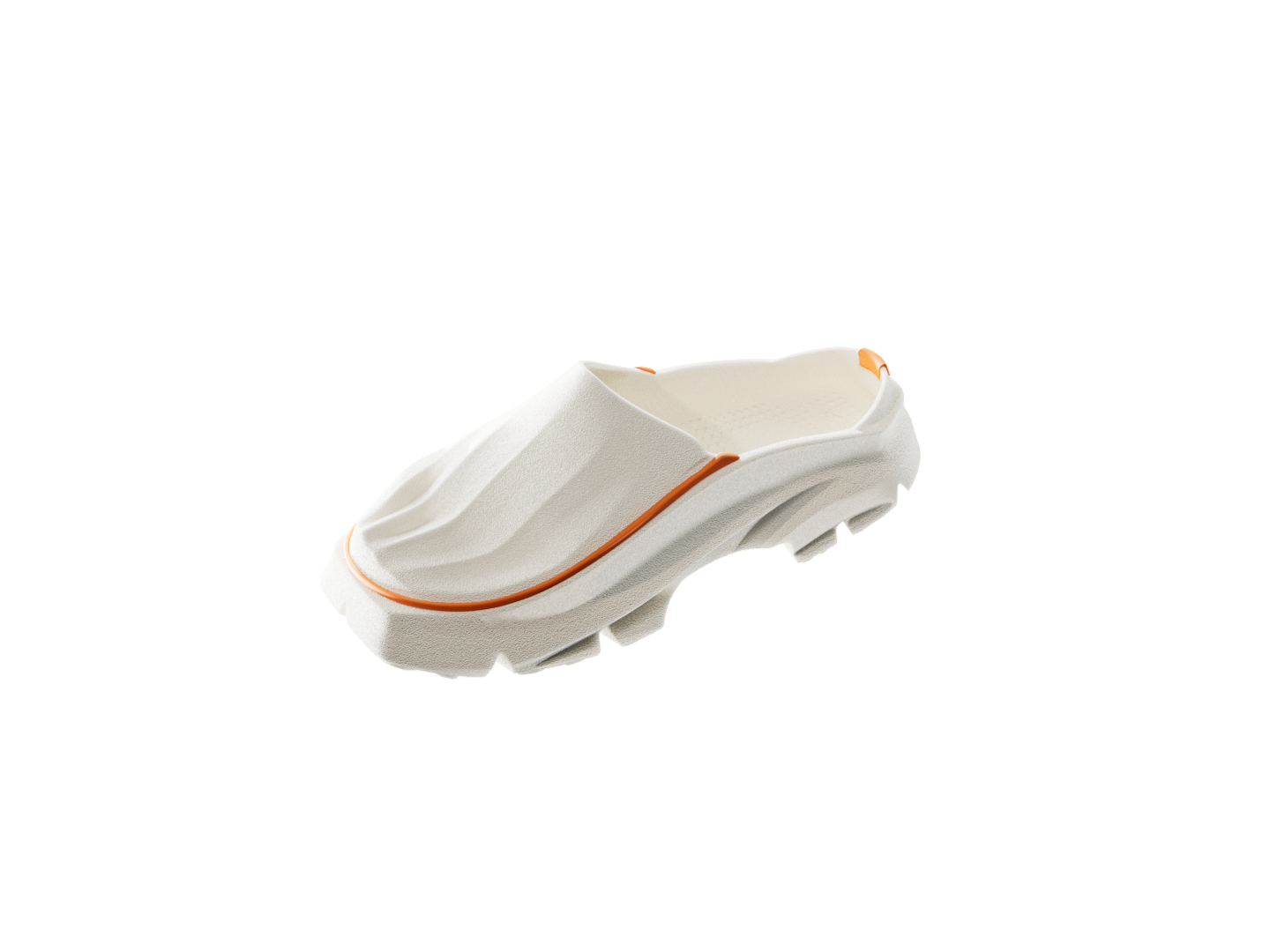
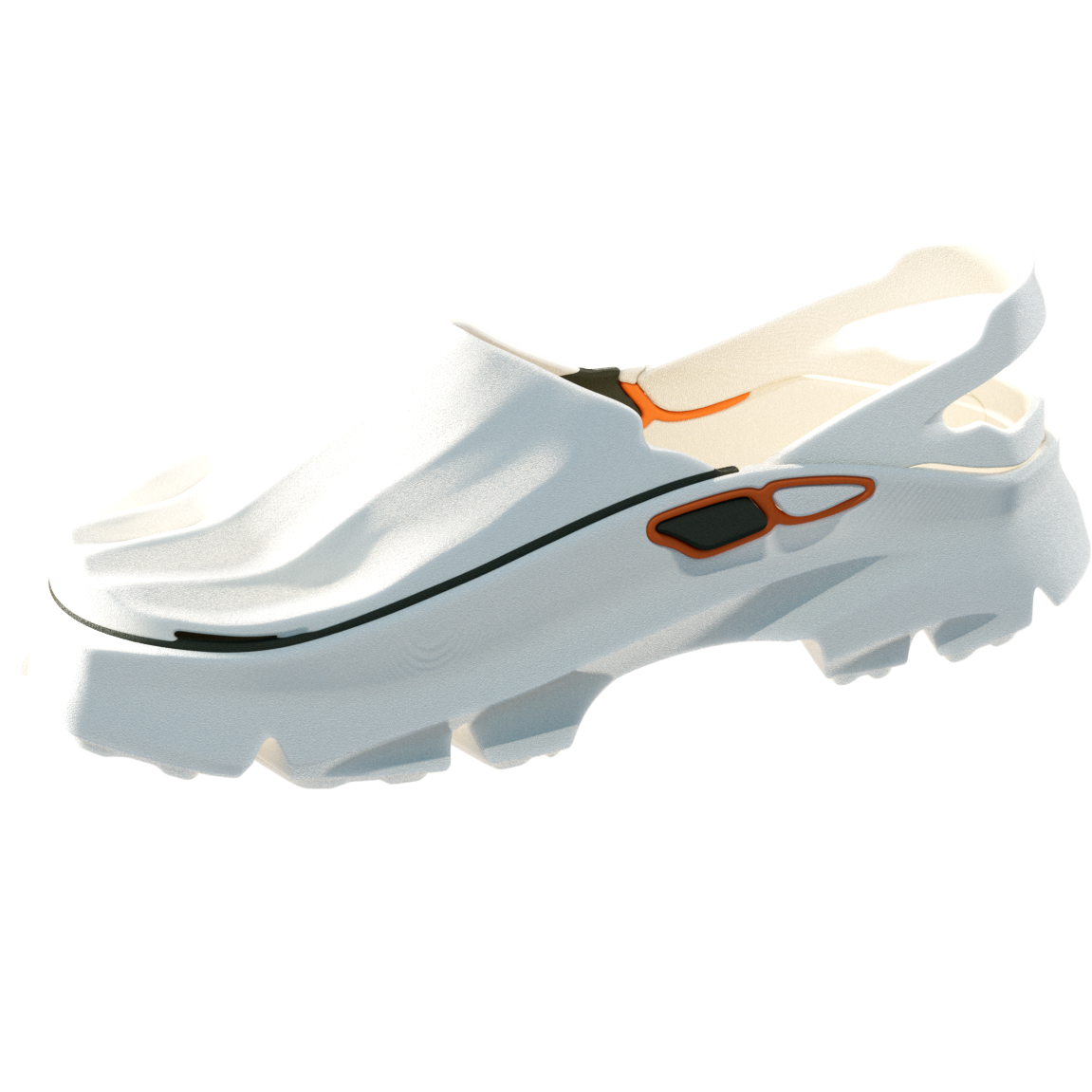
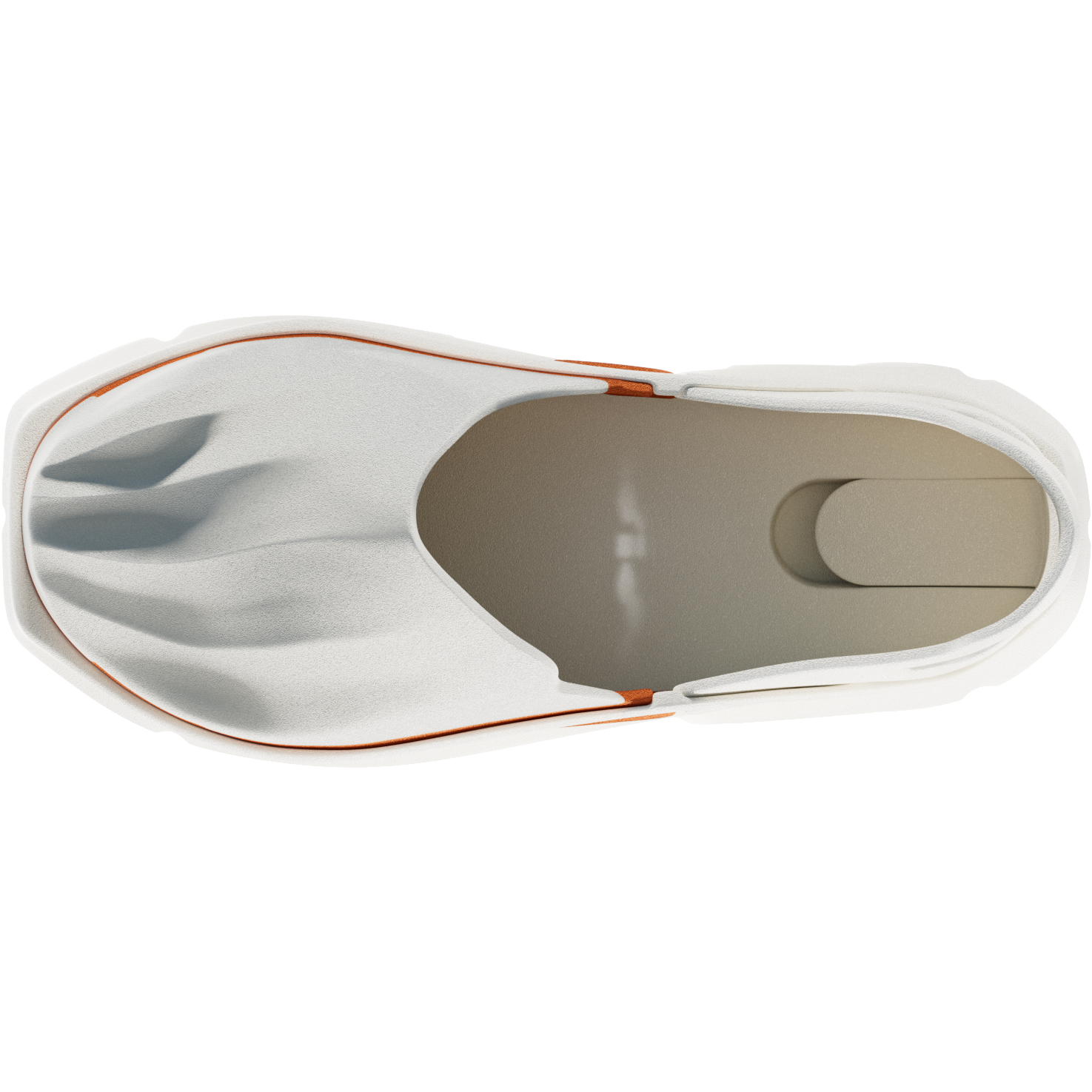
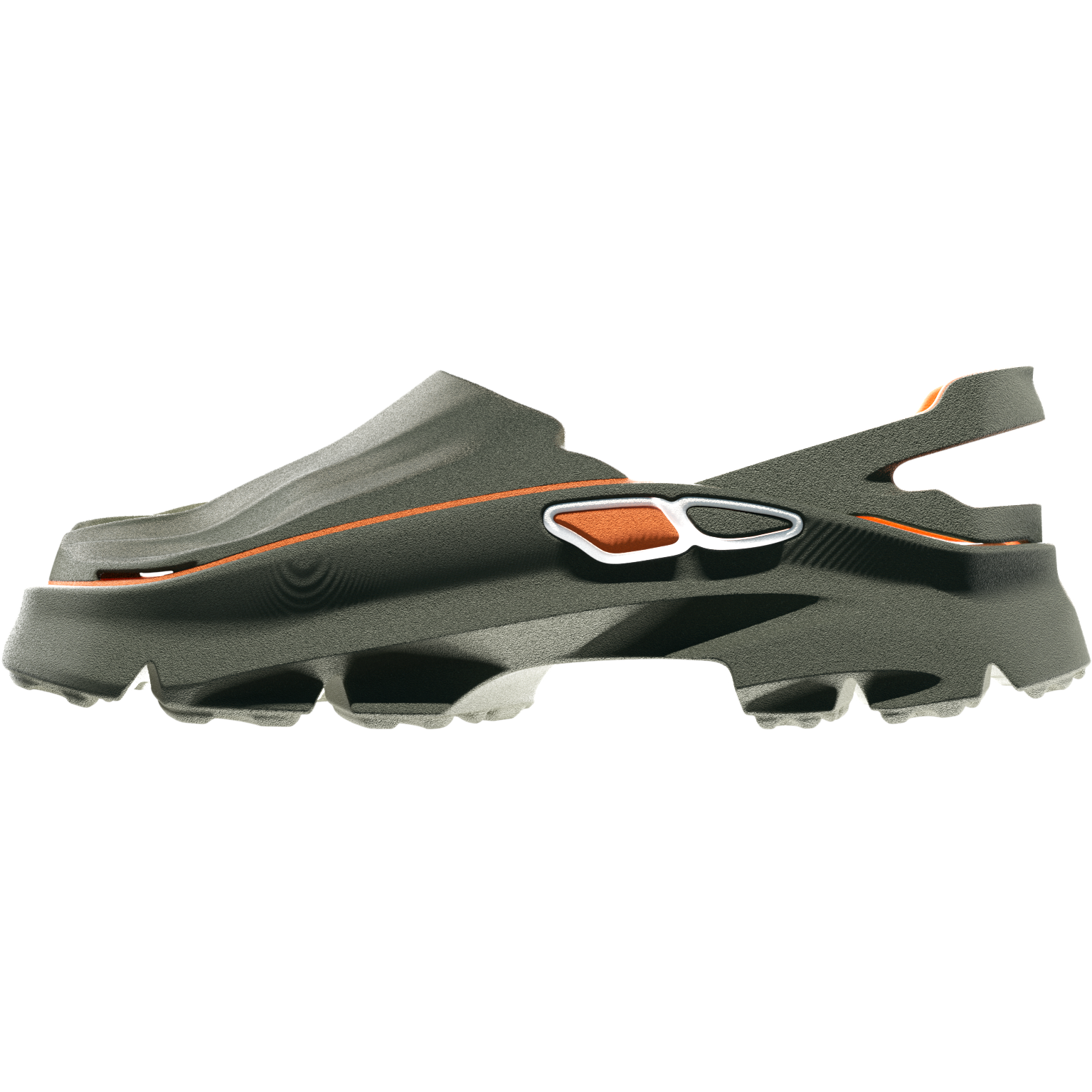
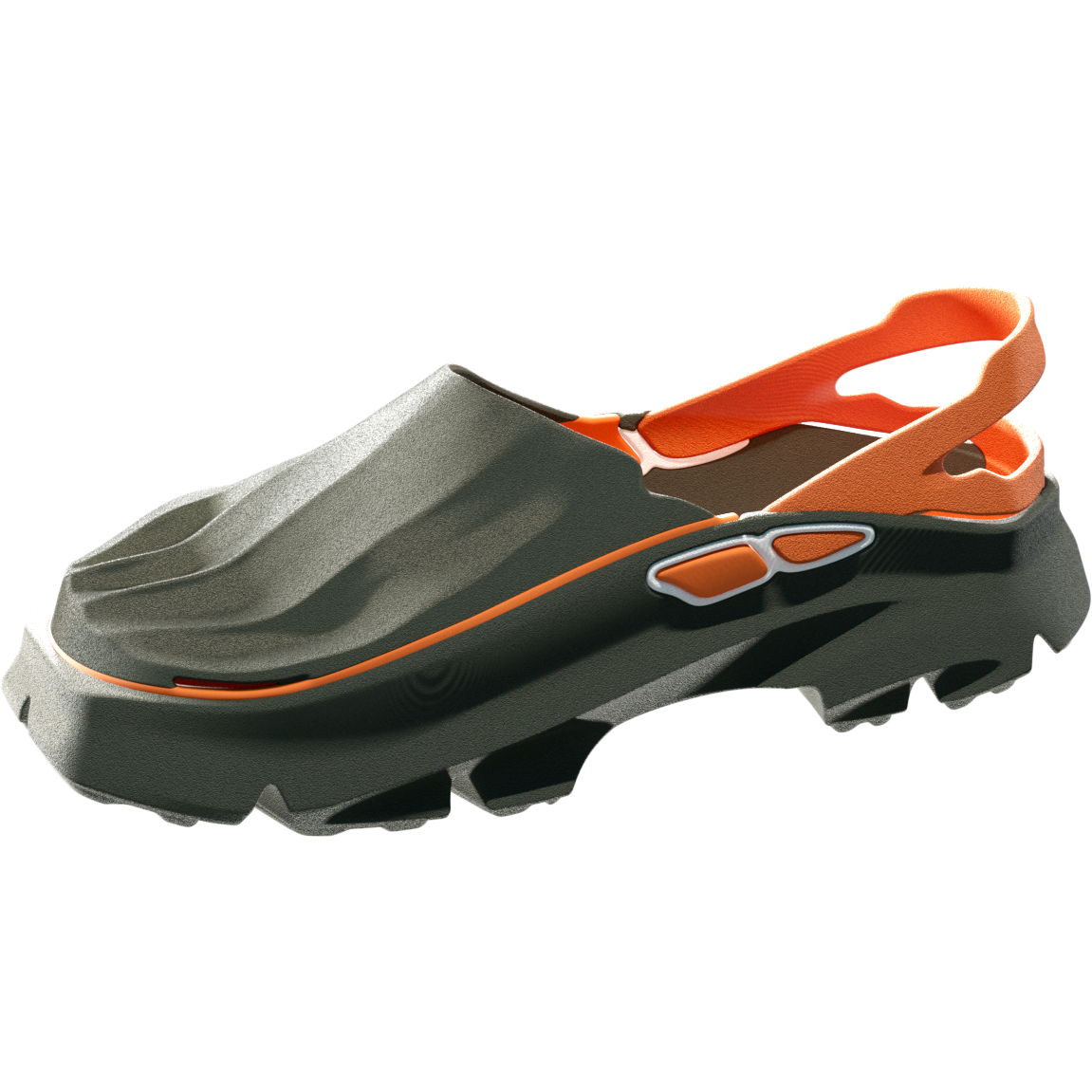
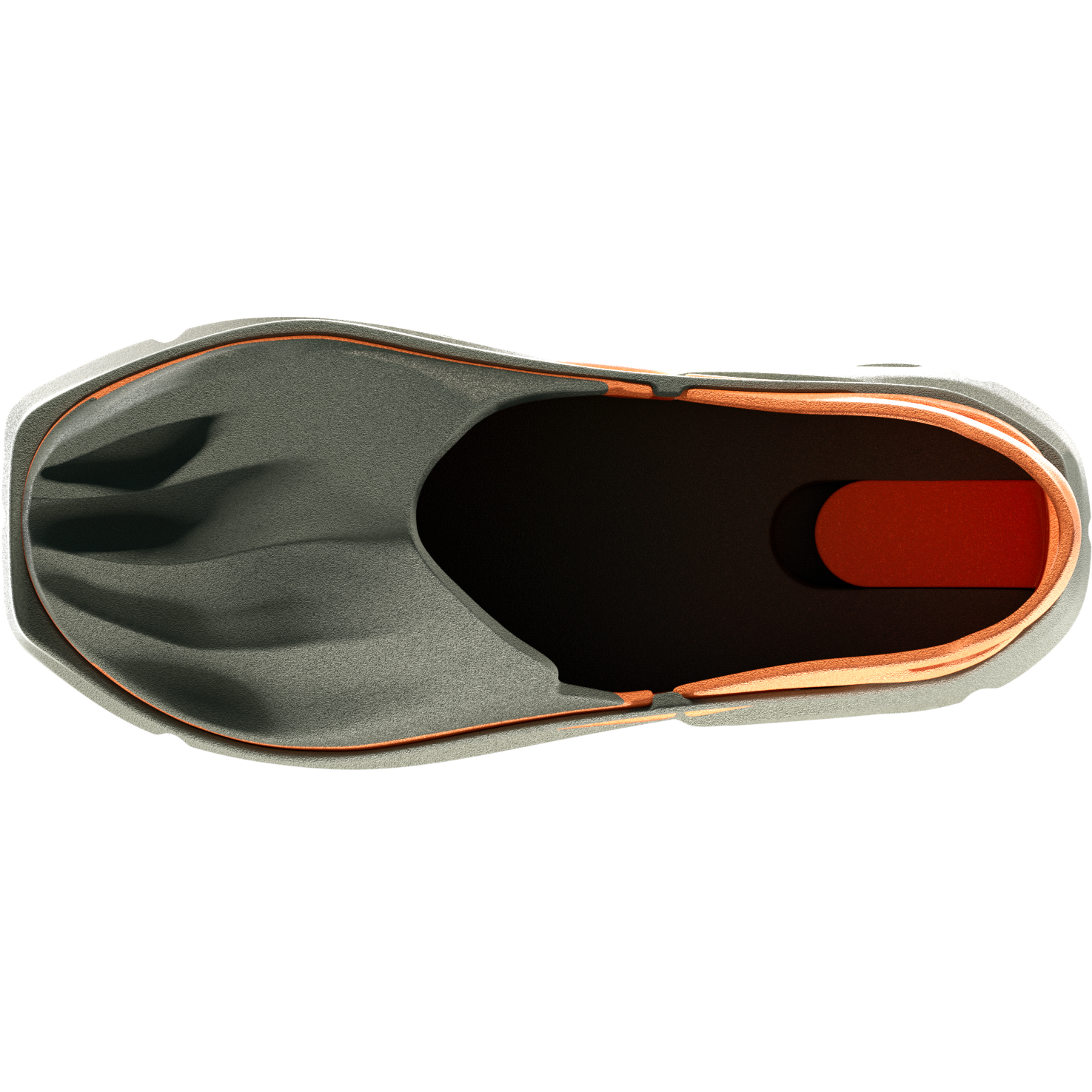
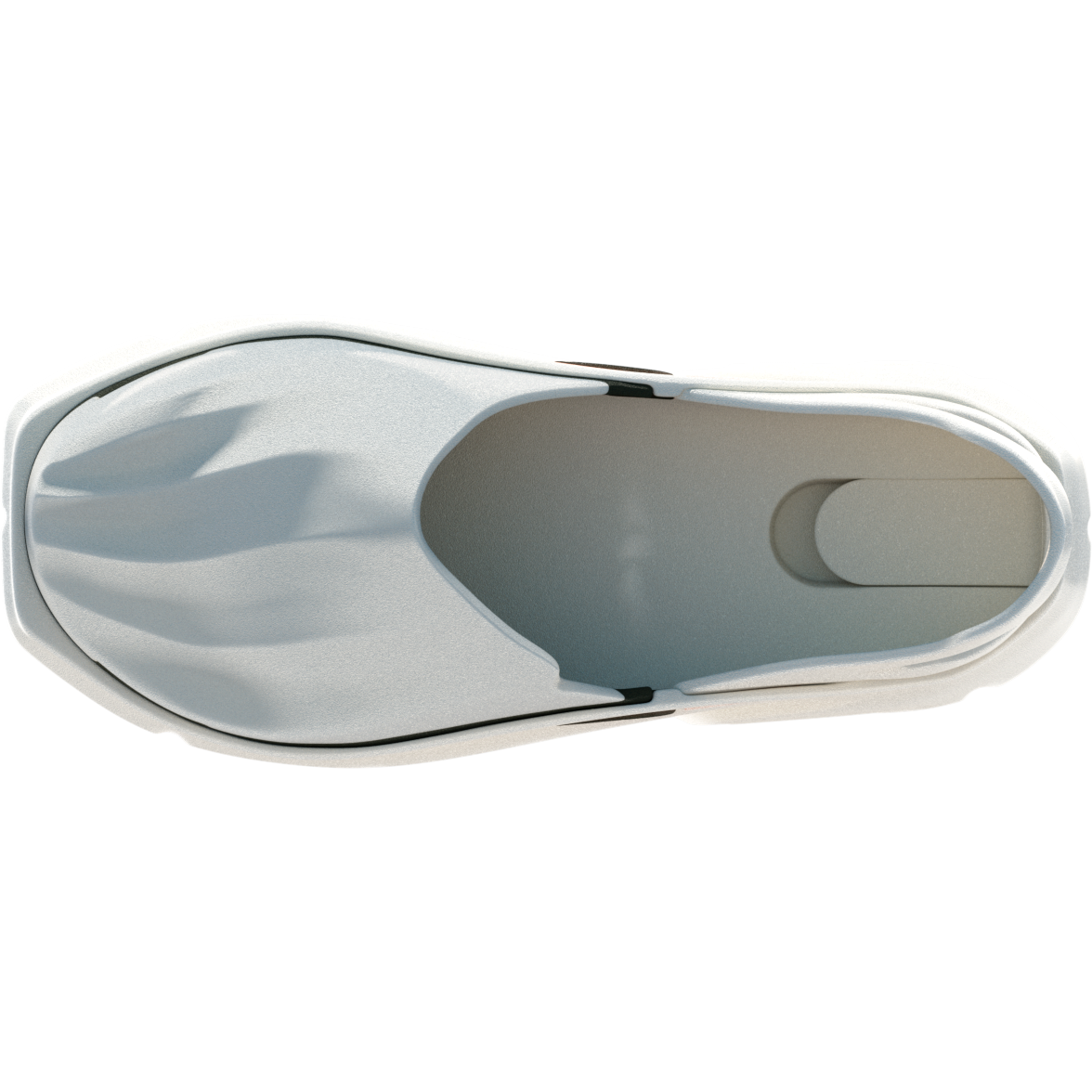
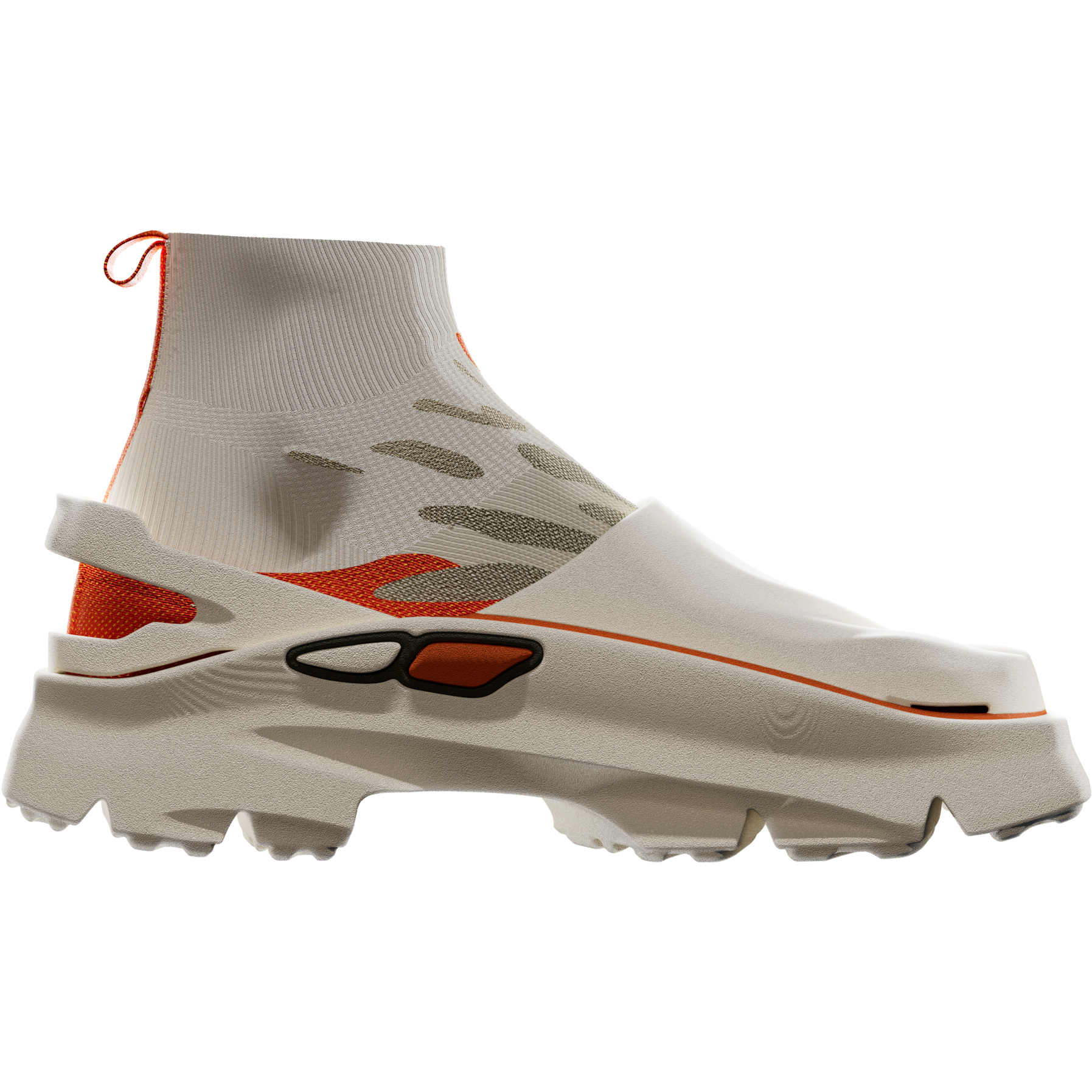
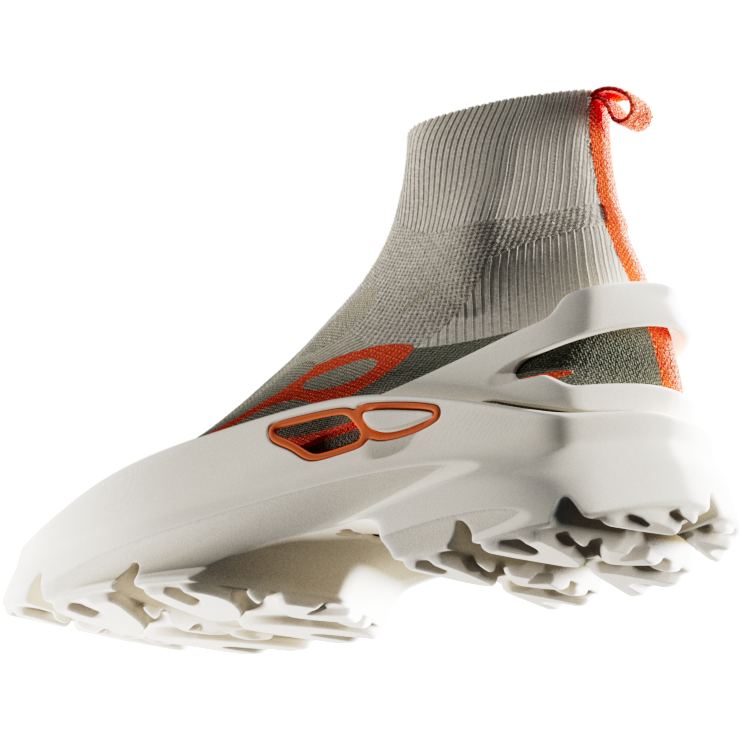
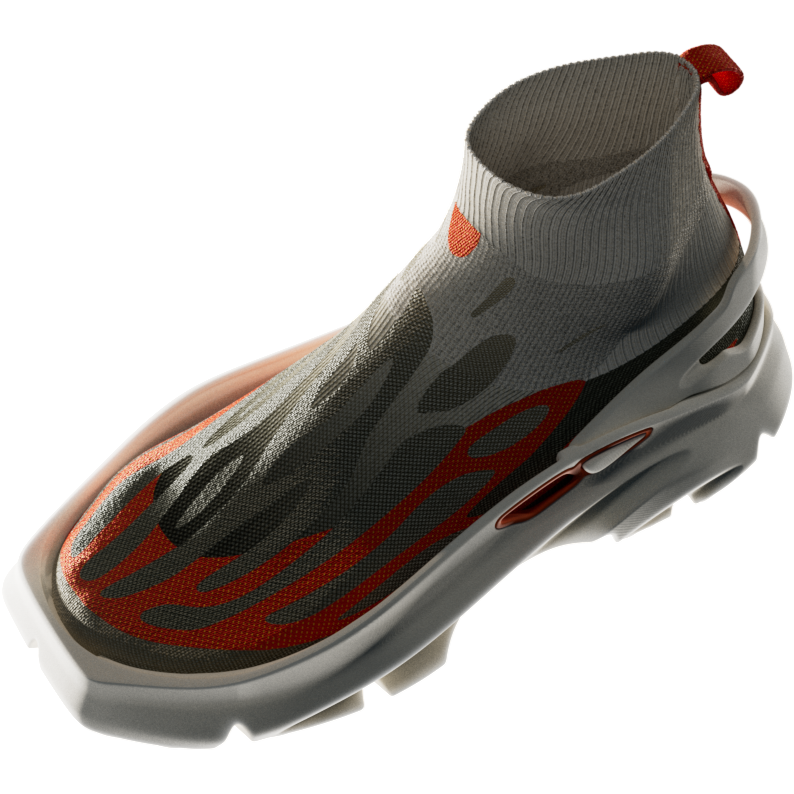
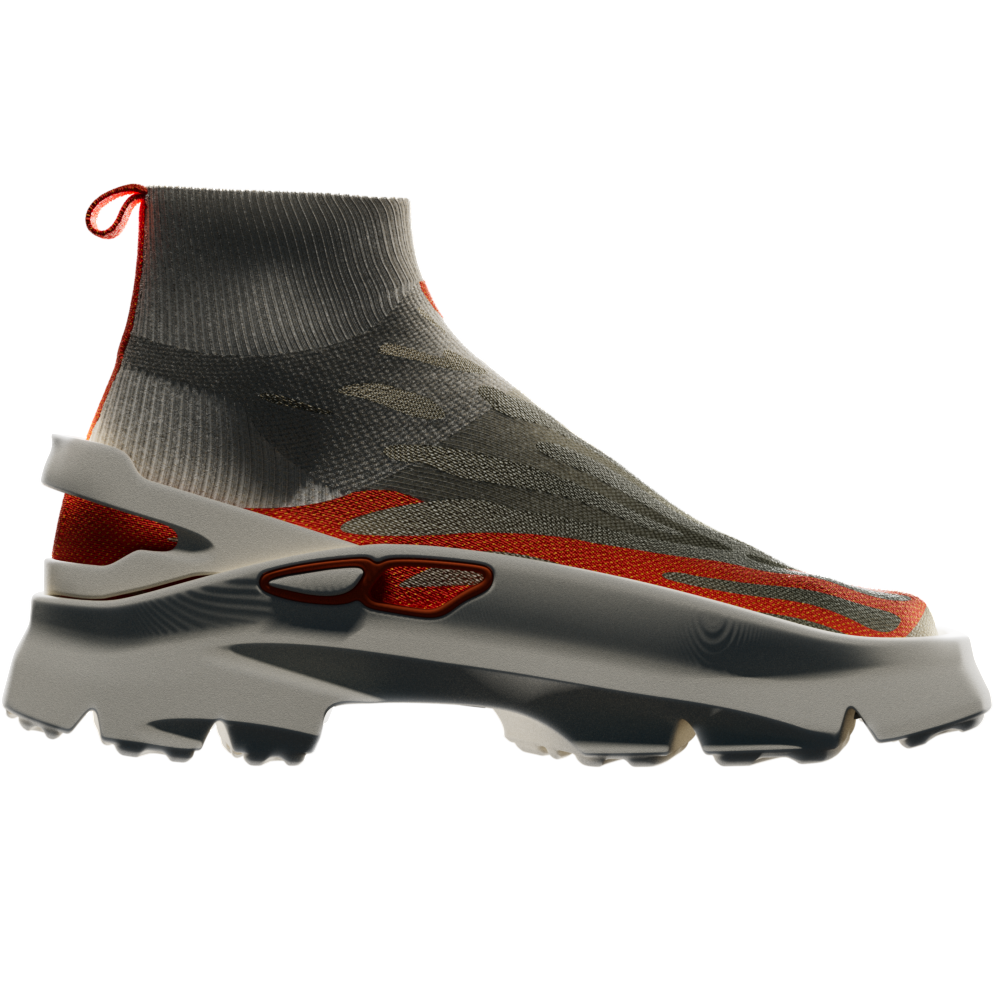
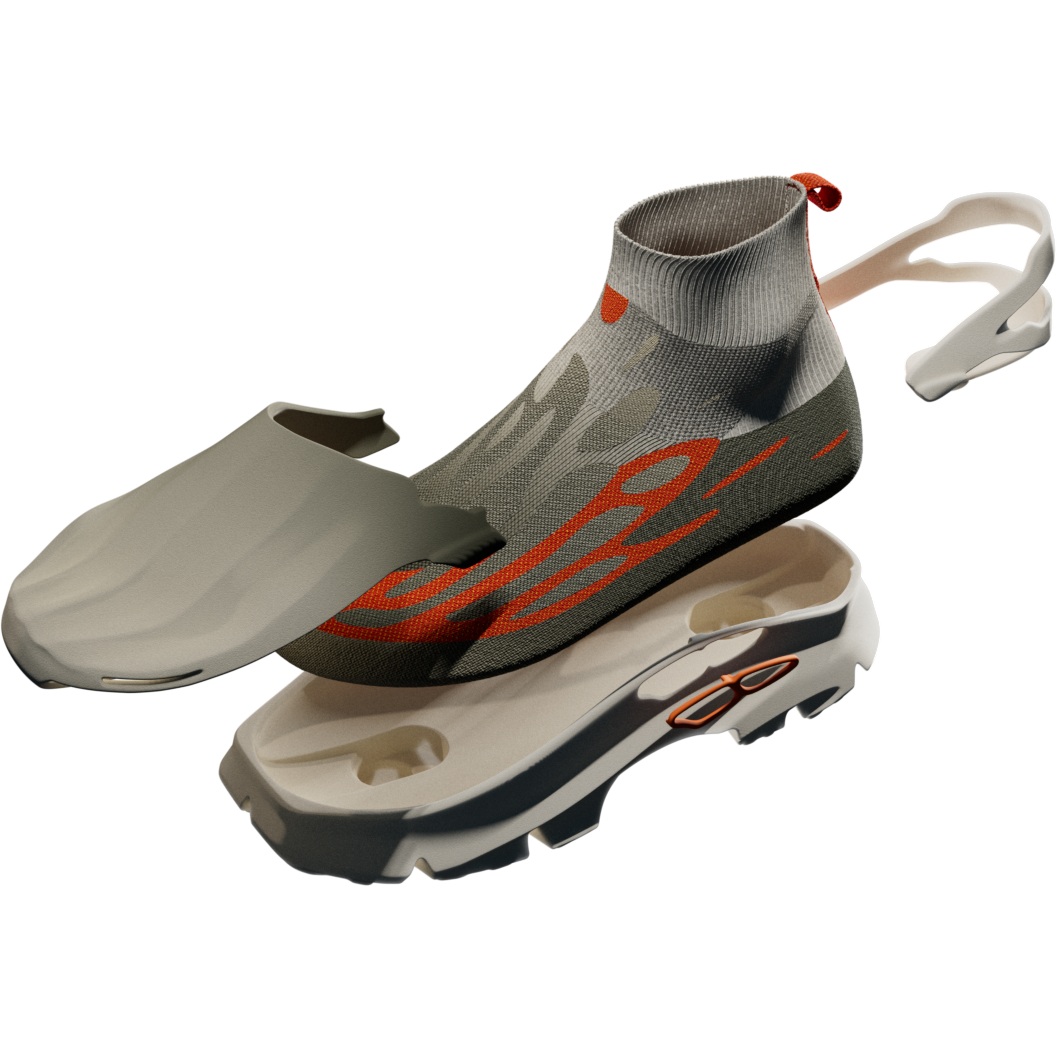
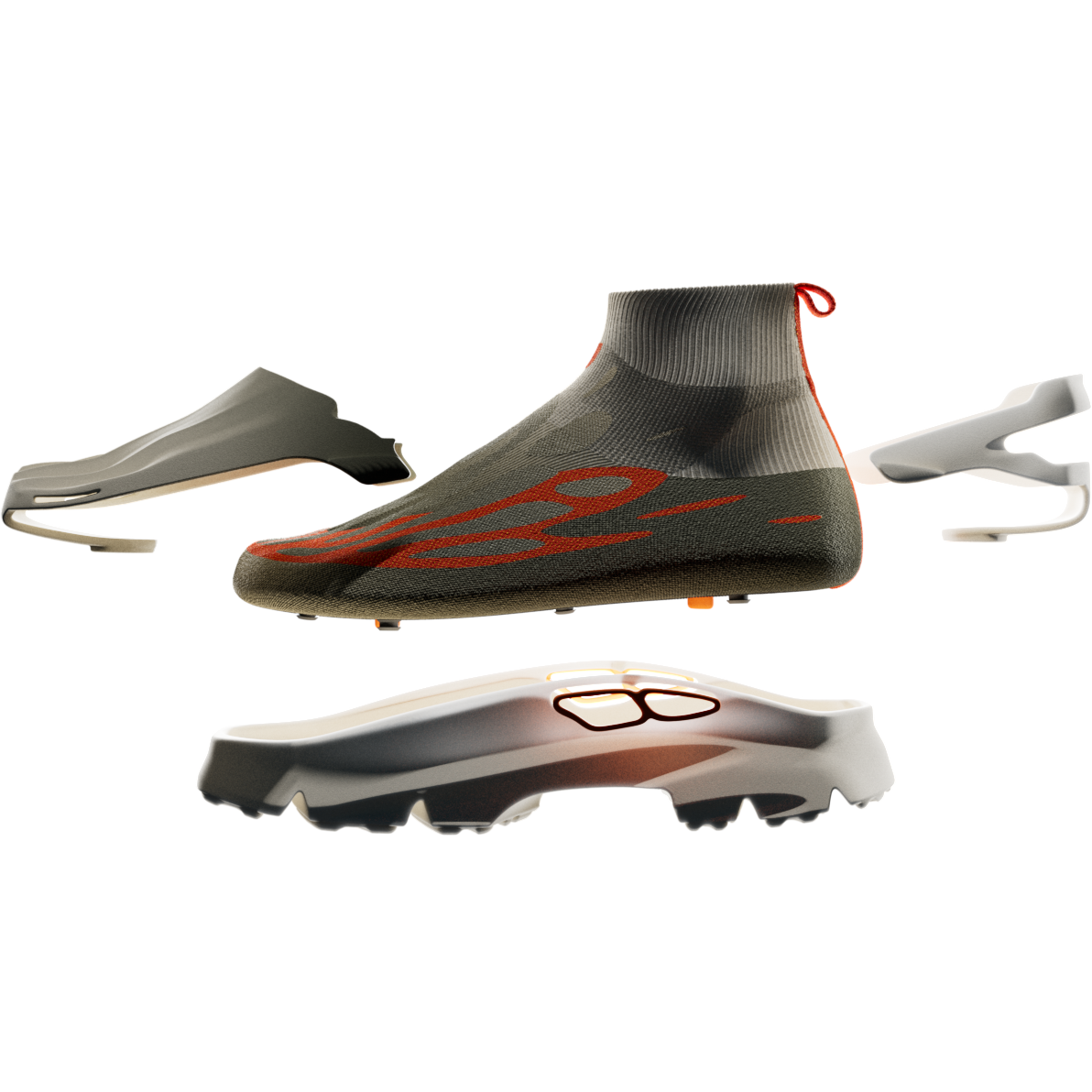
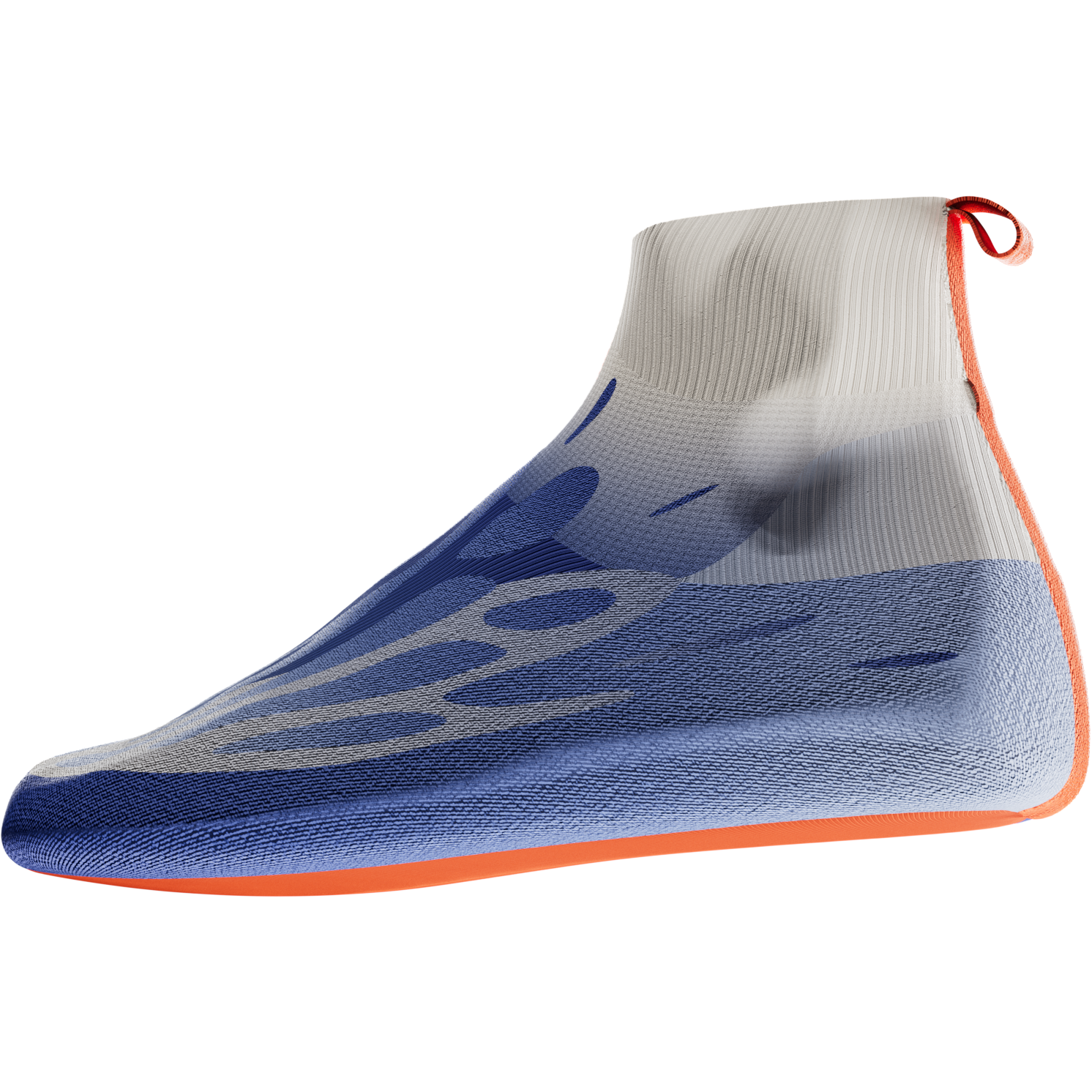
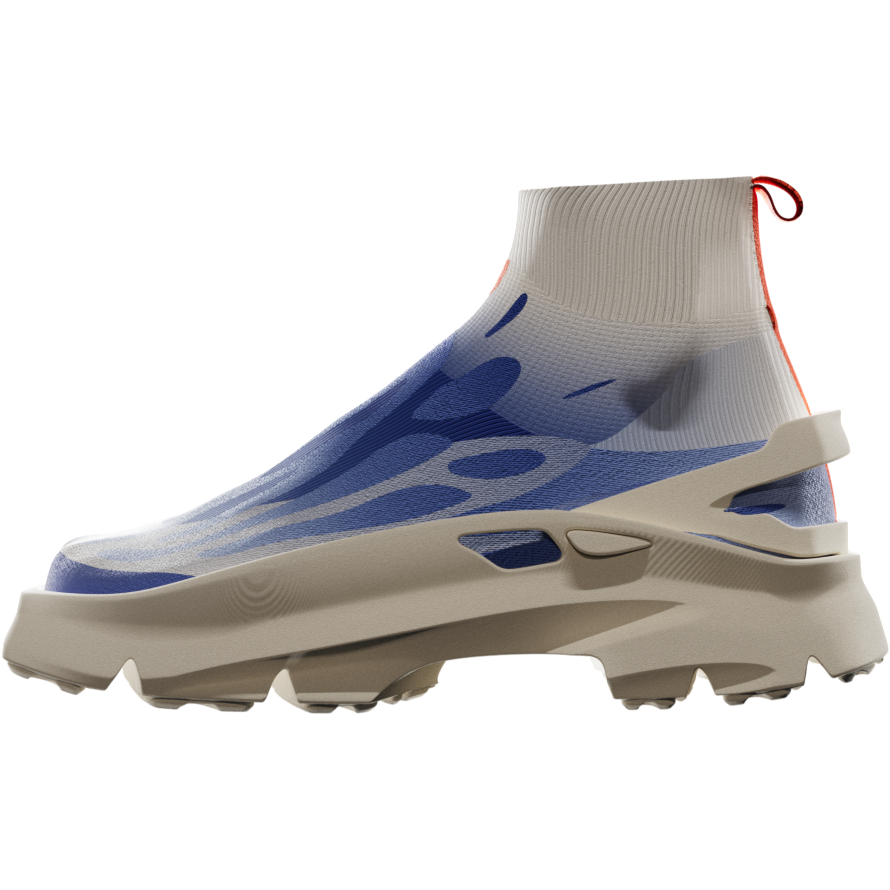
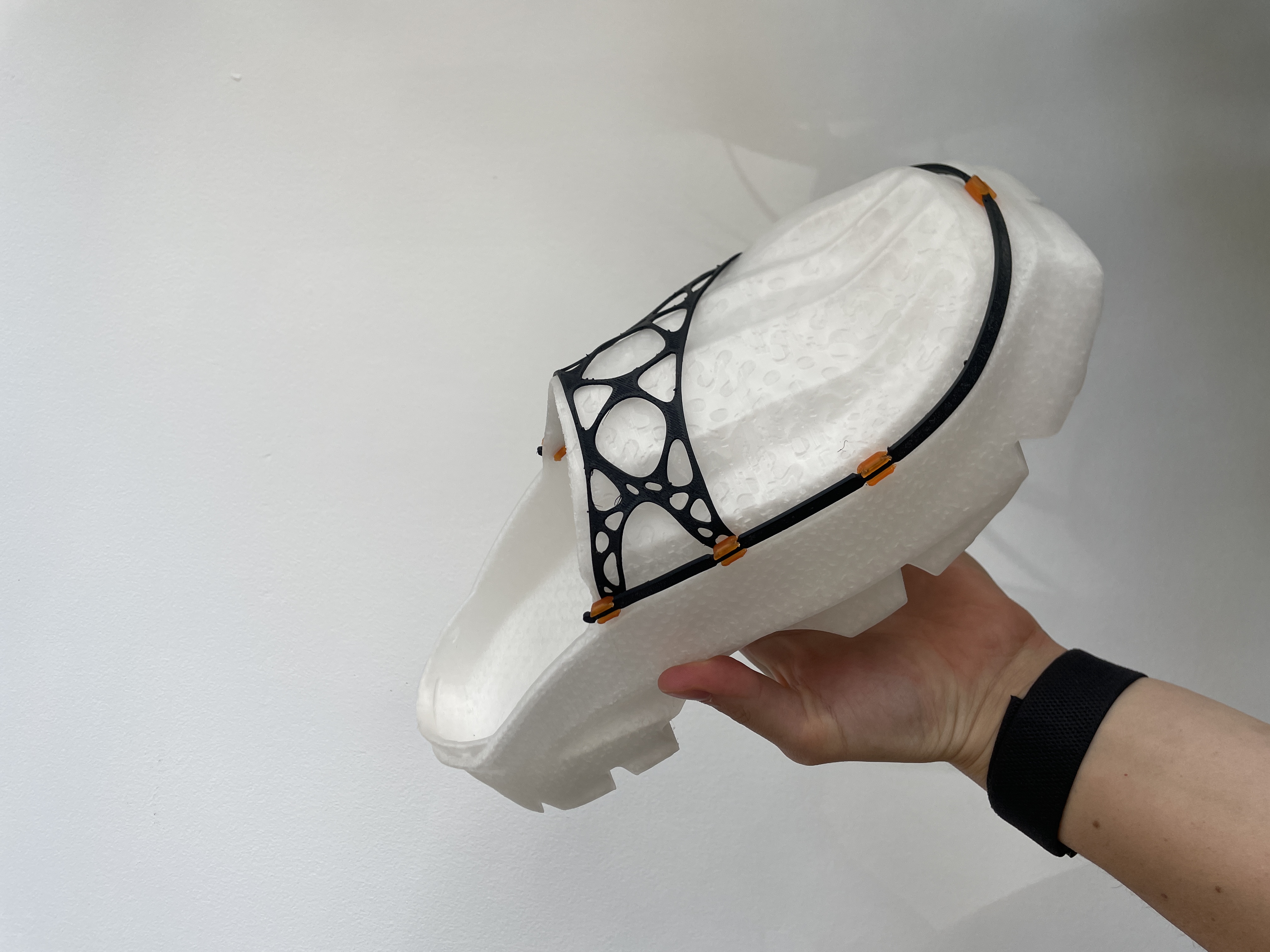
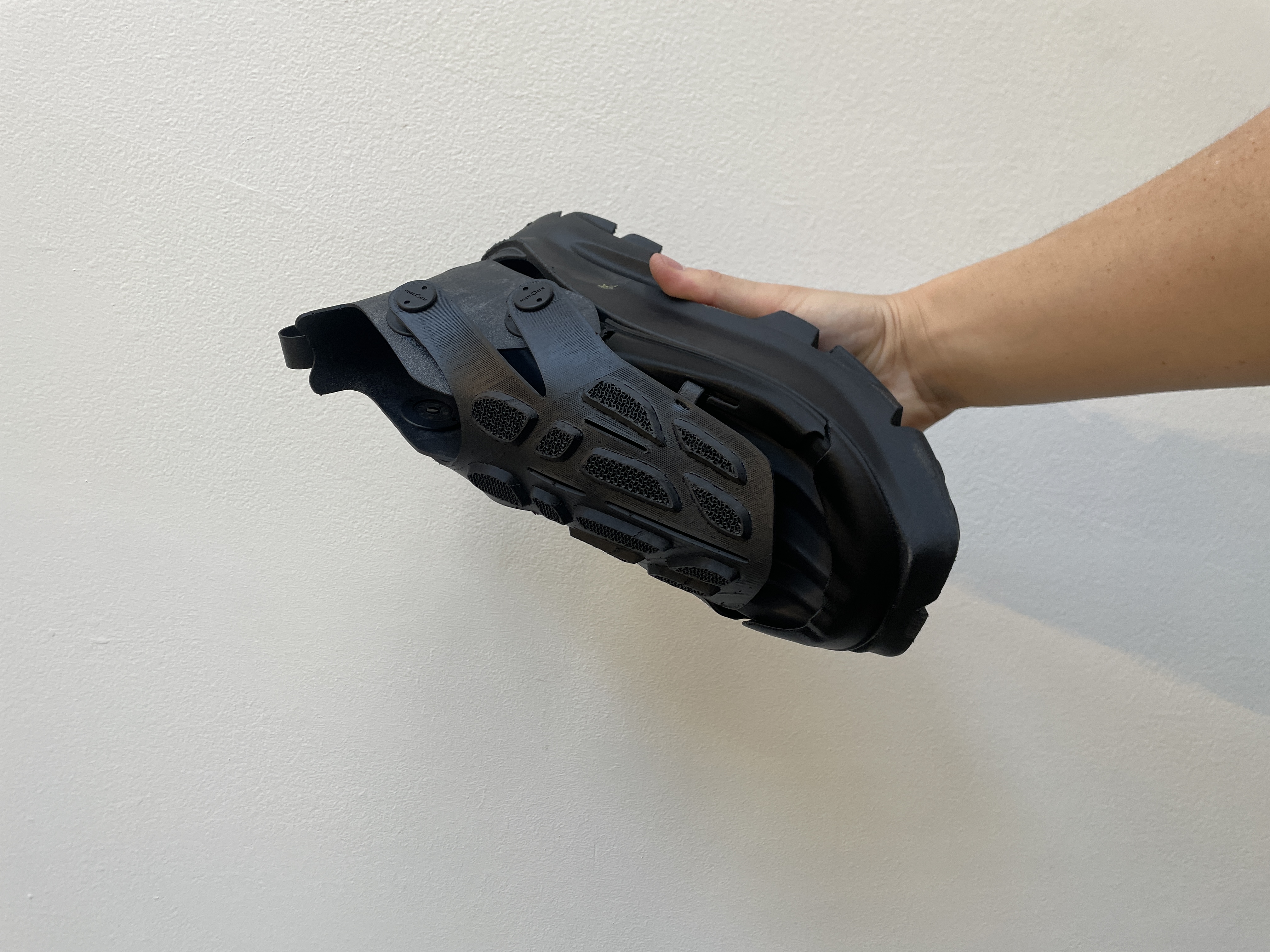
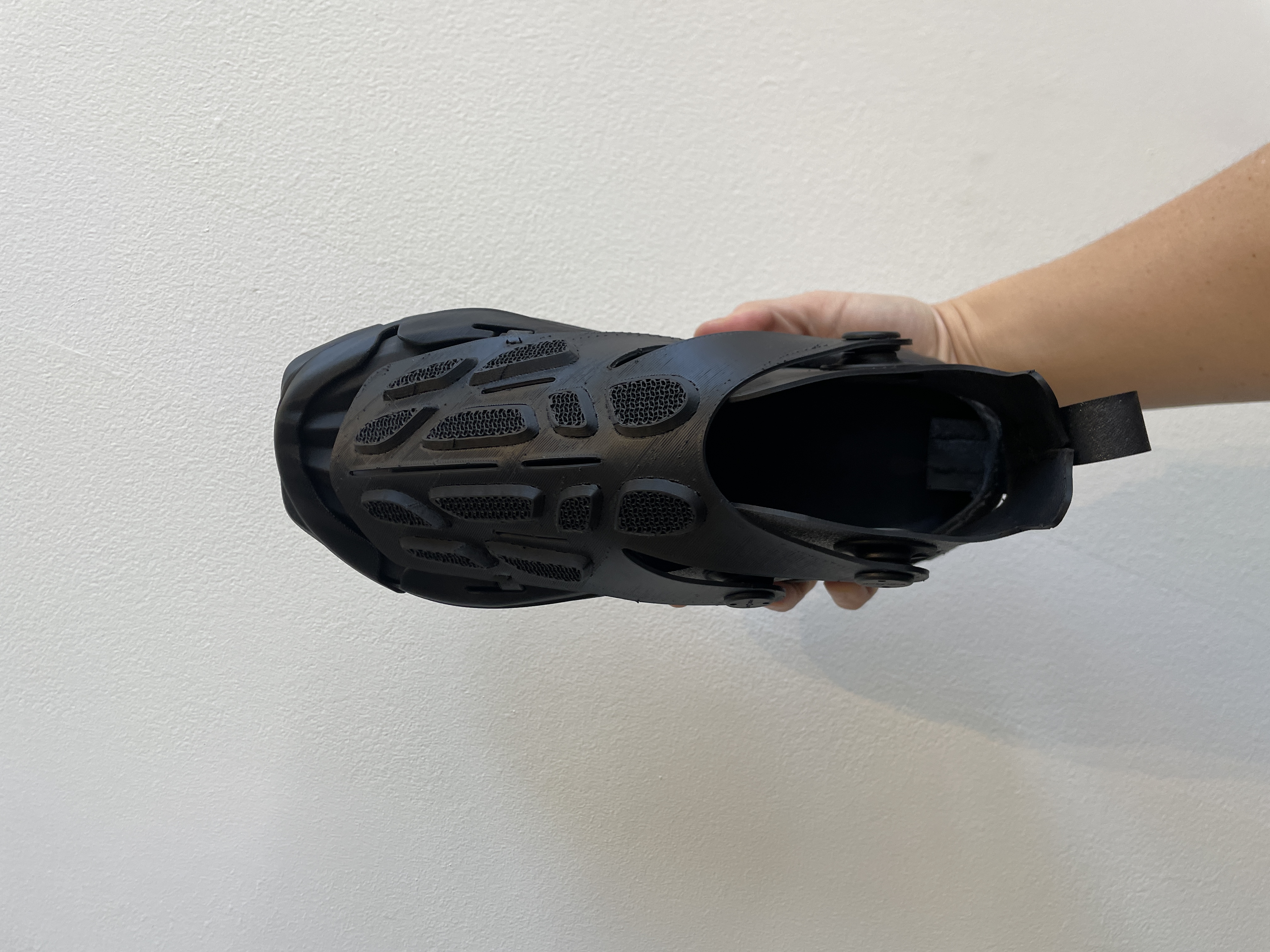
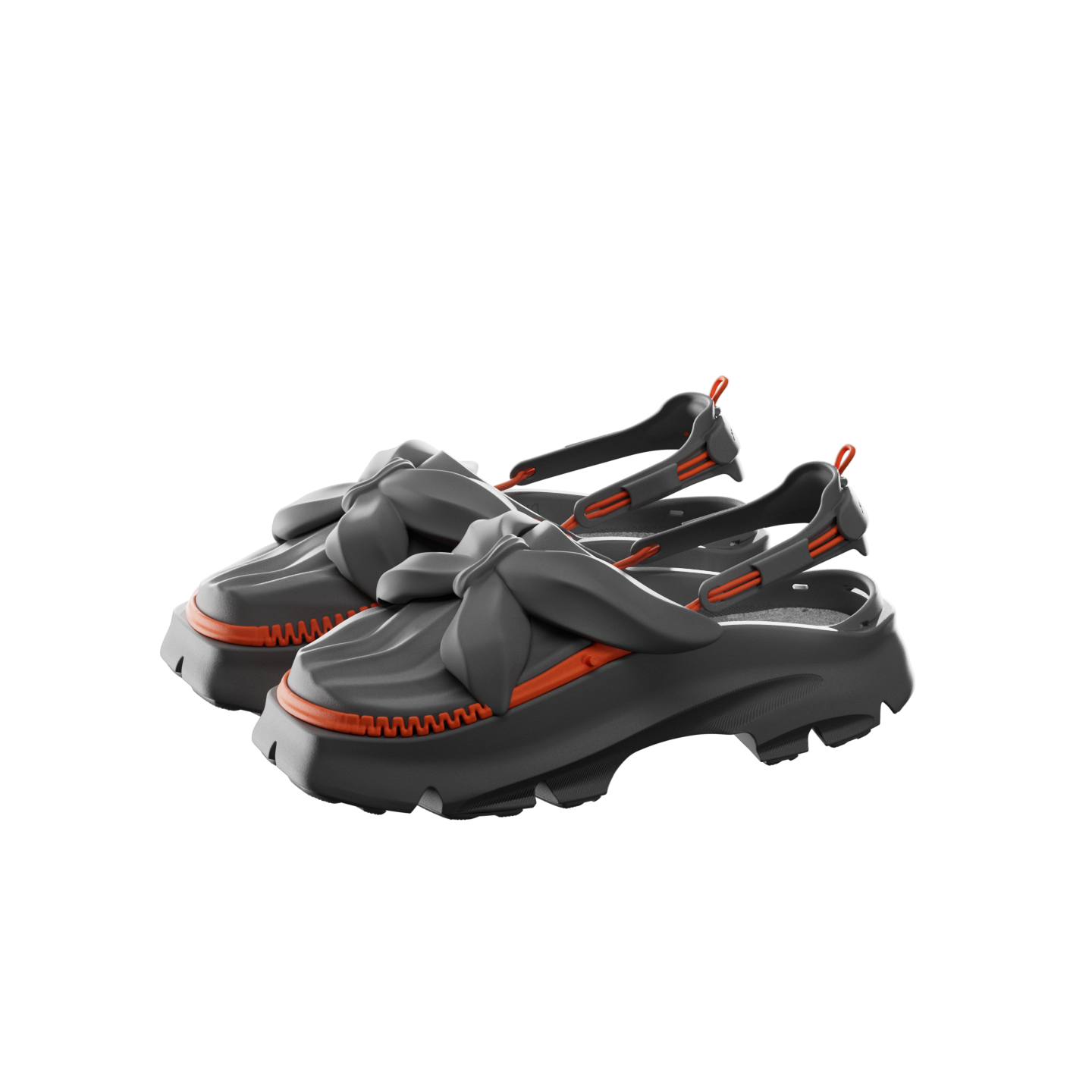
a modular platform for self-expression inspired by the human foot realized through digital means
the first kernel:
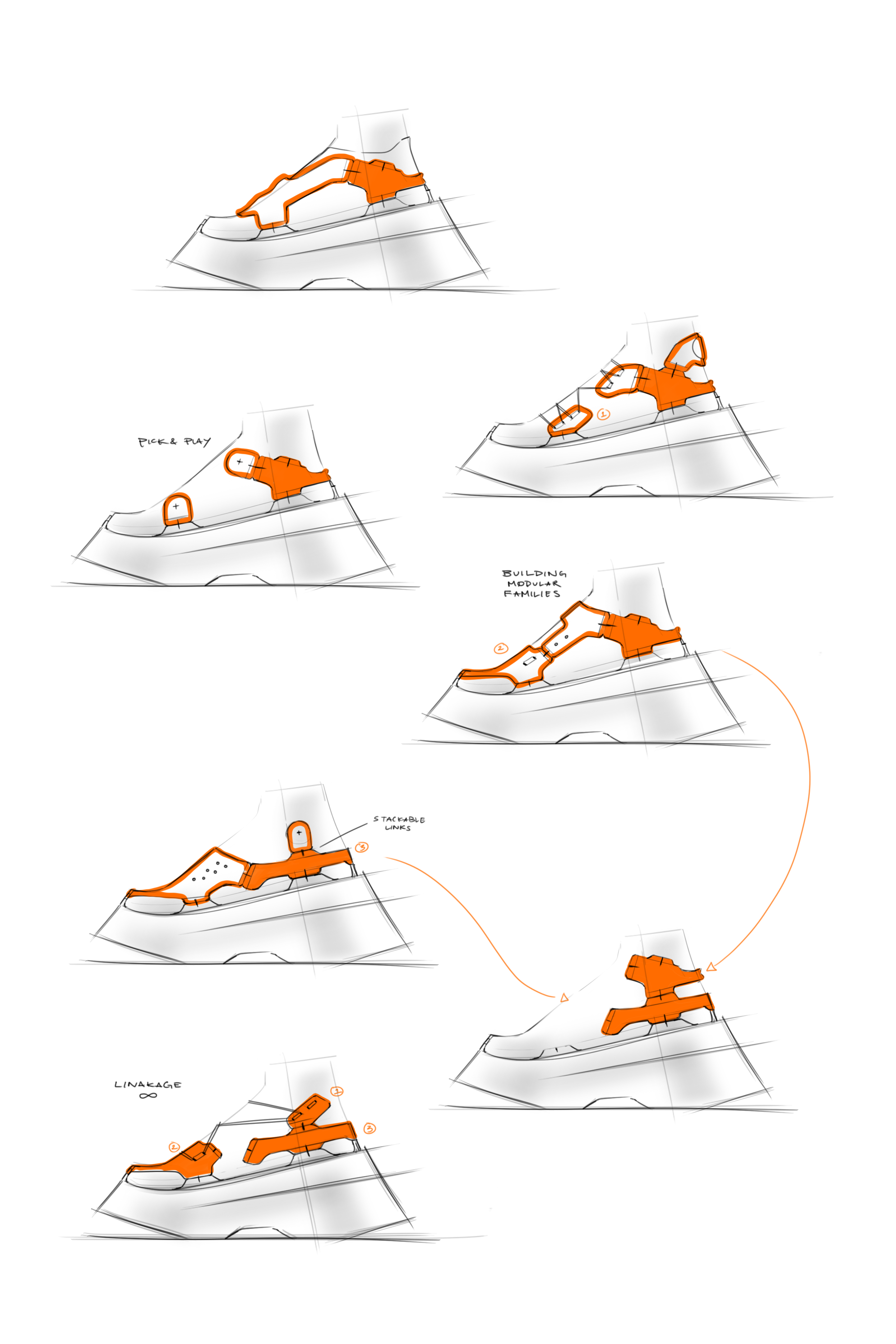
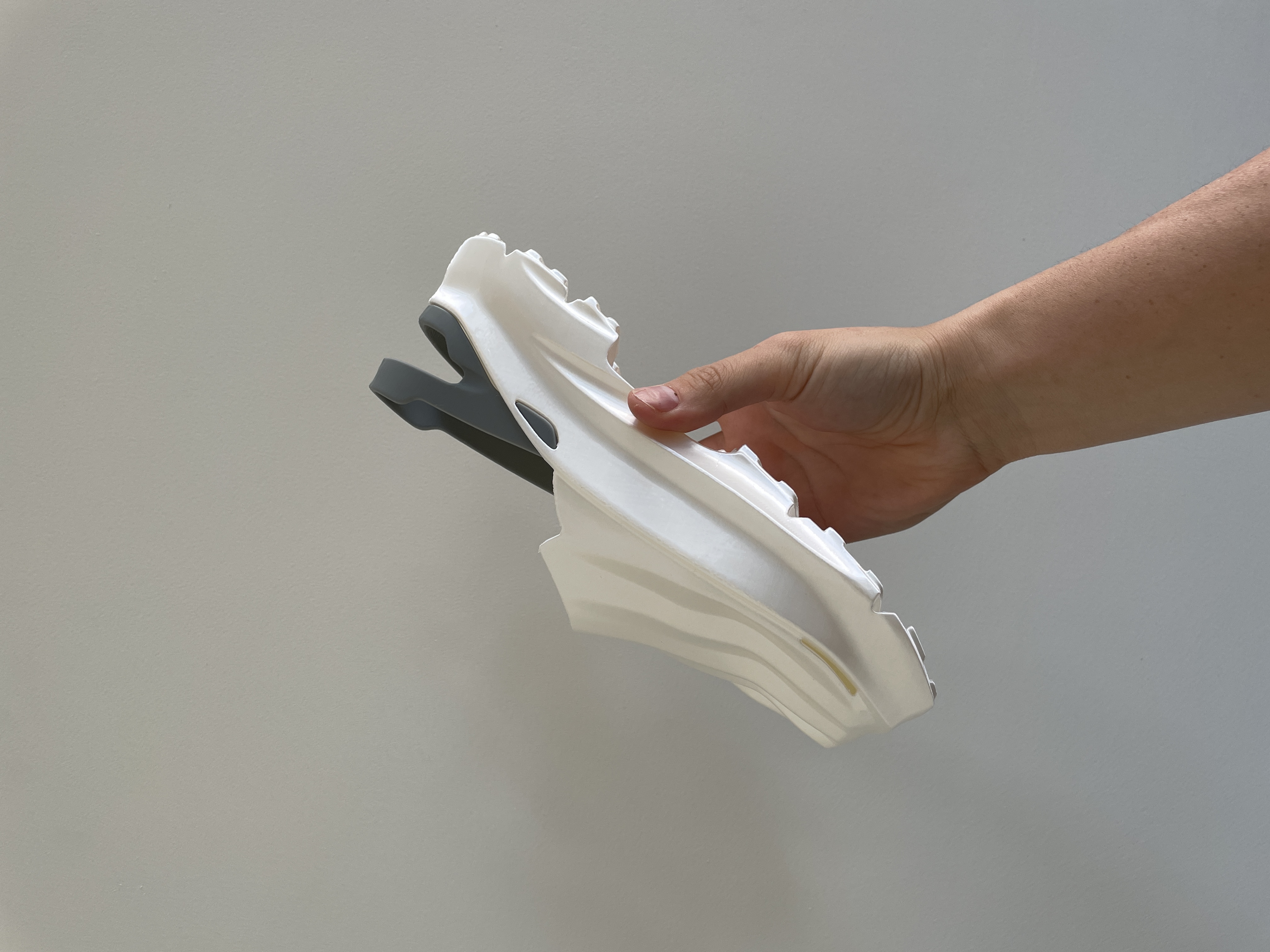
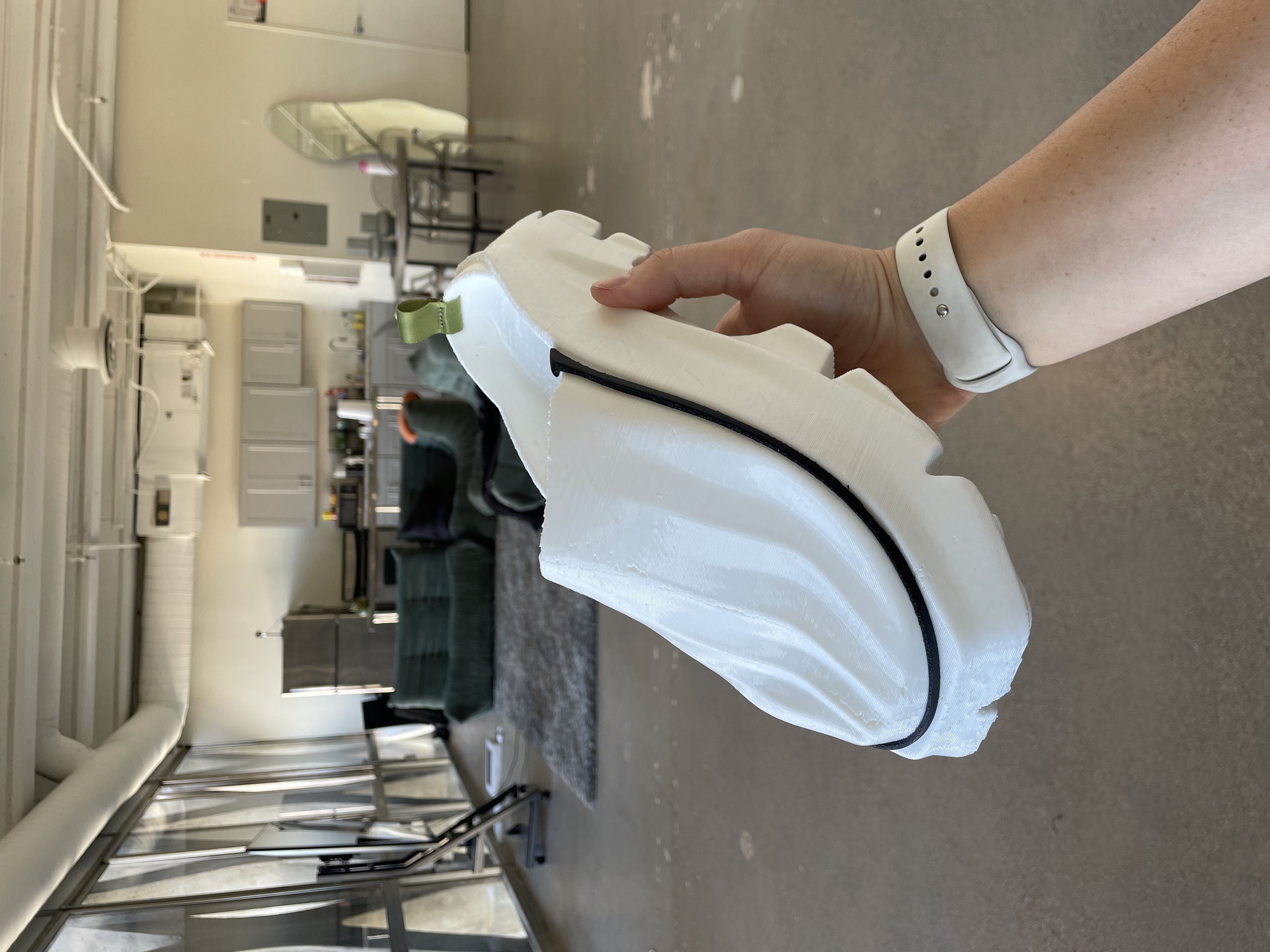
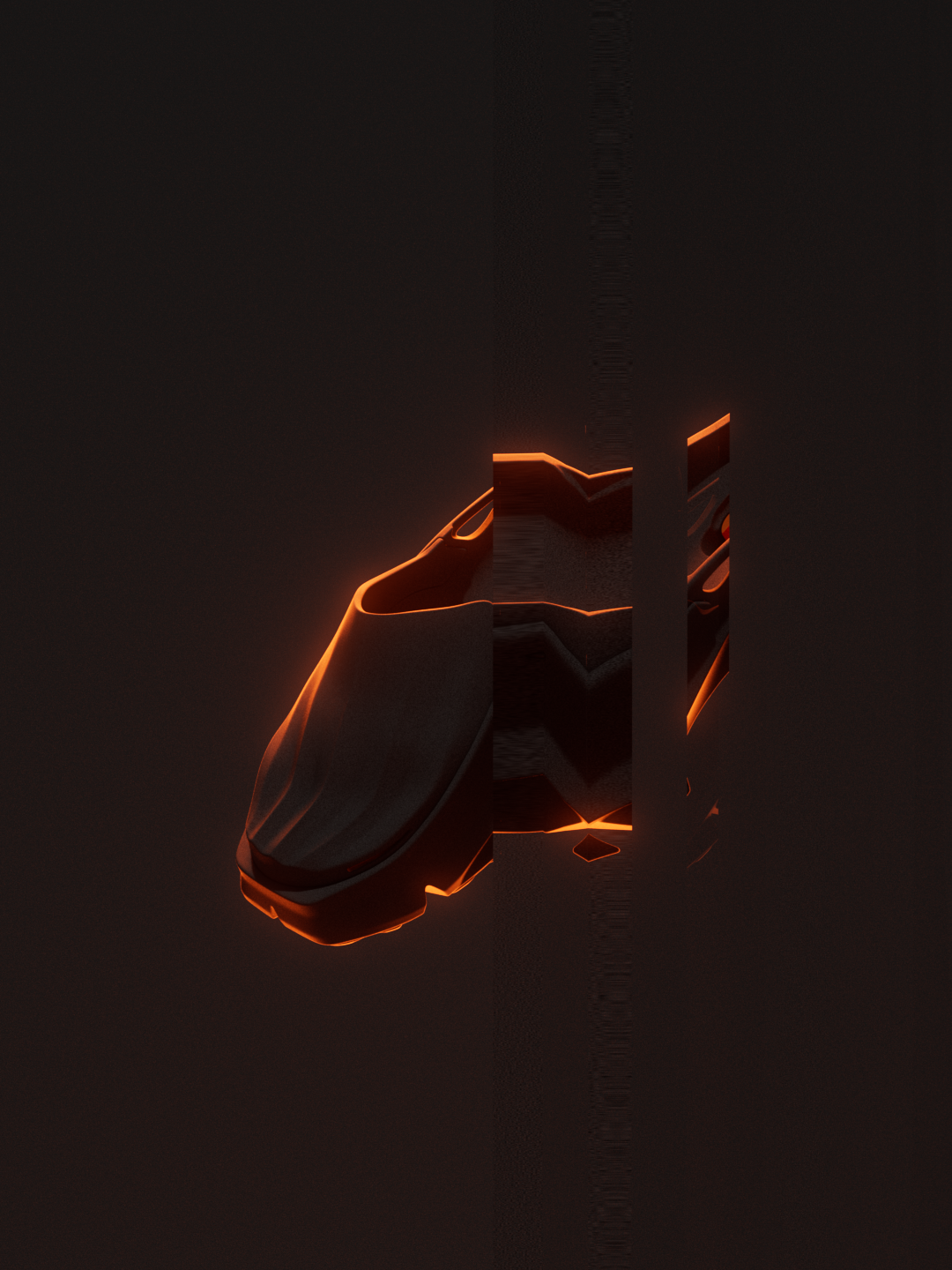
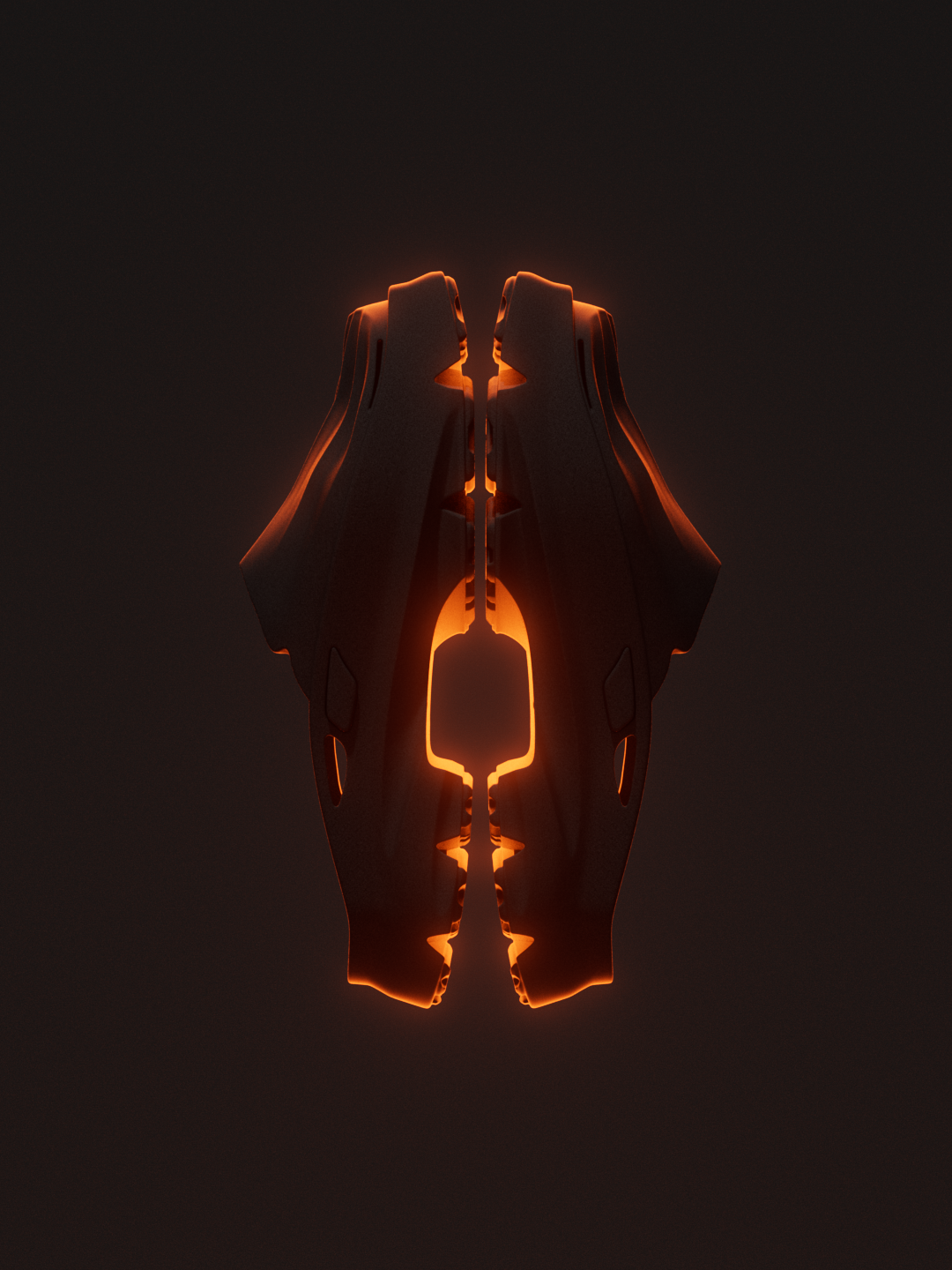
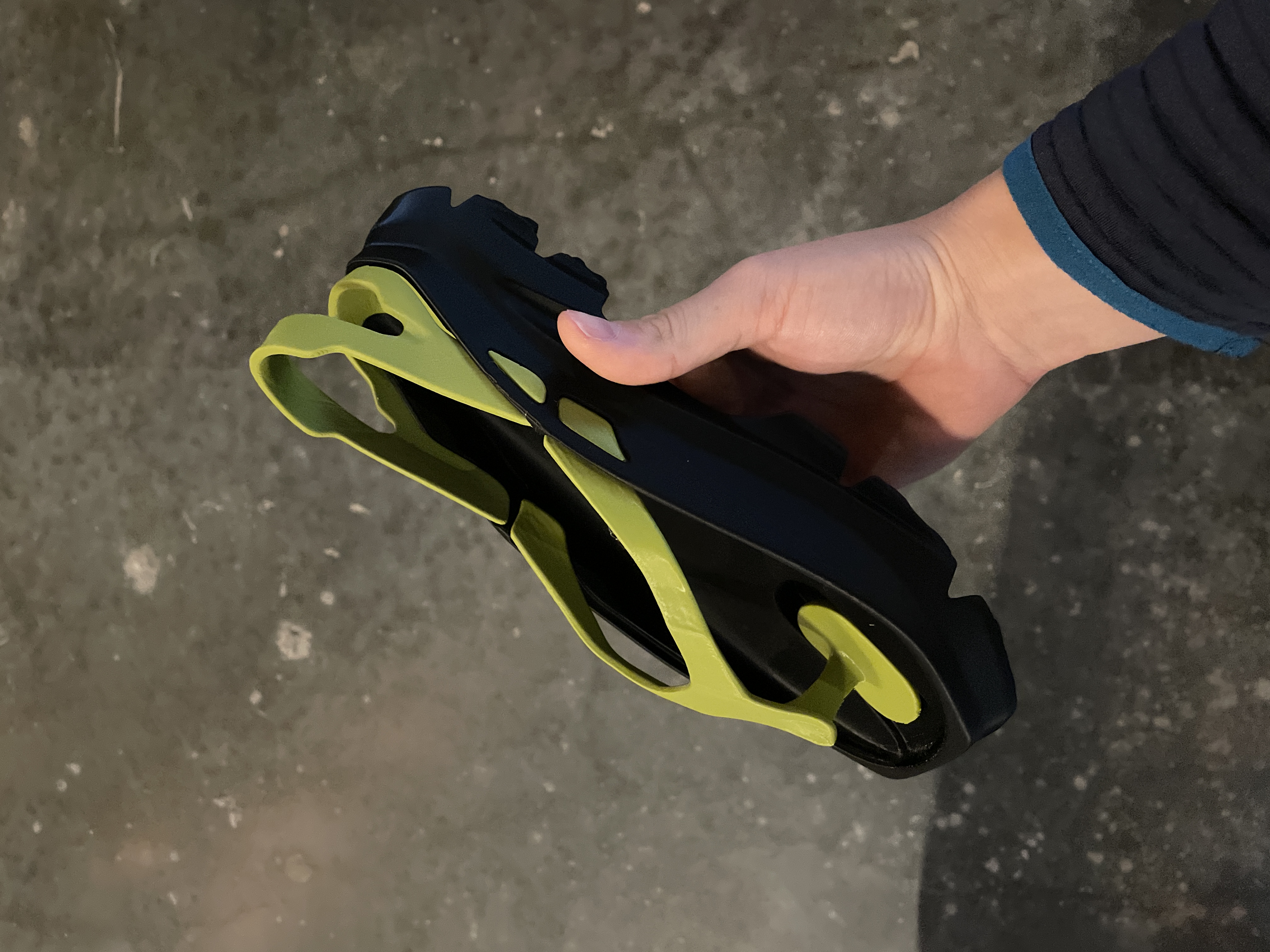
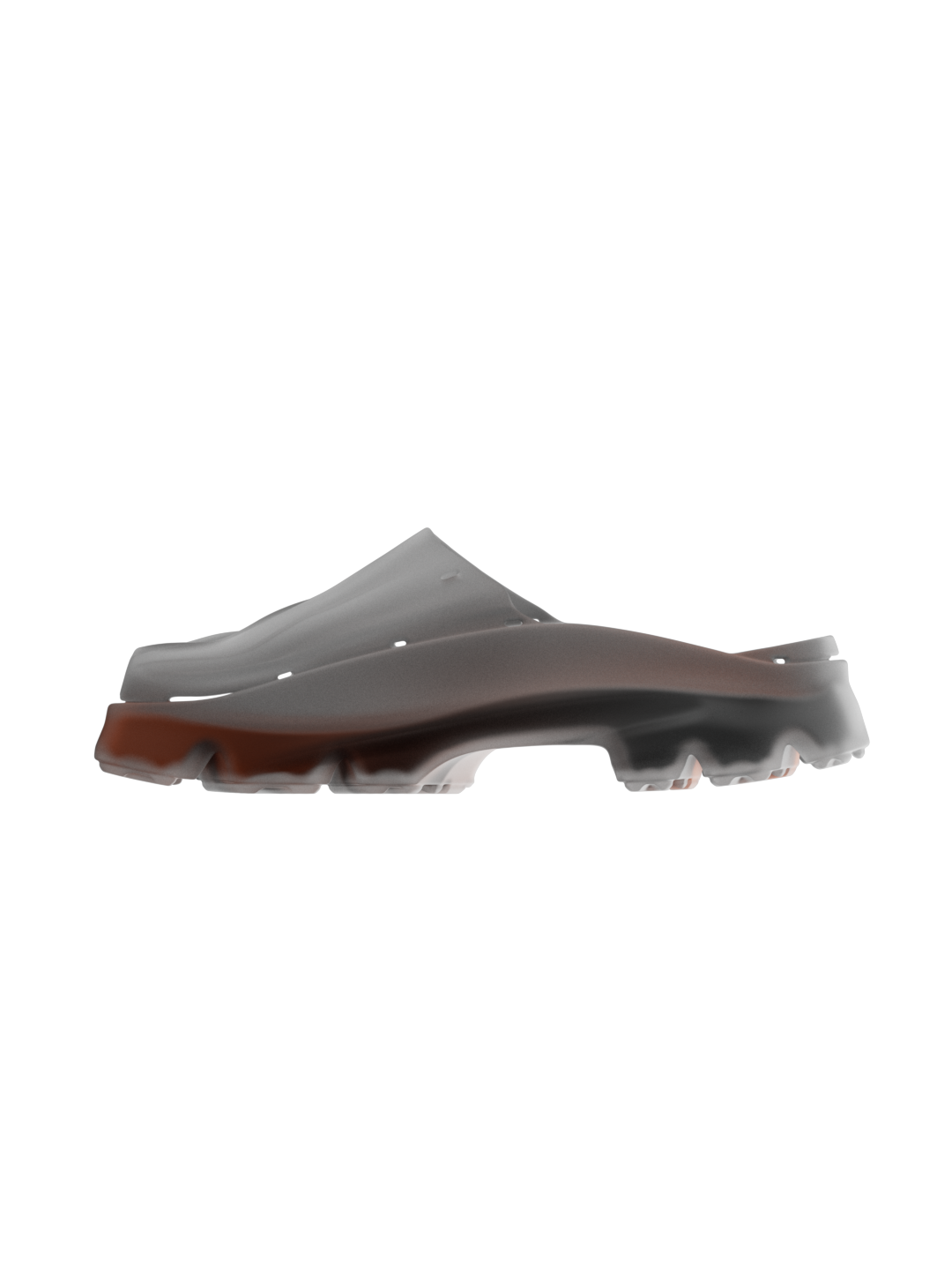
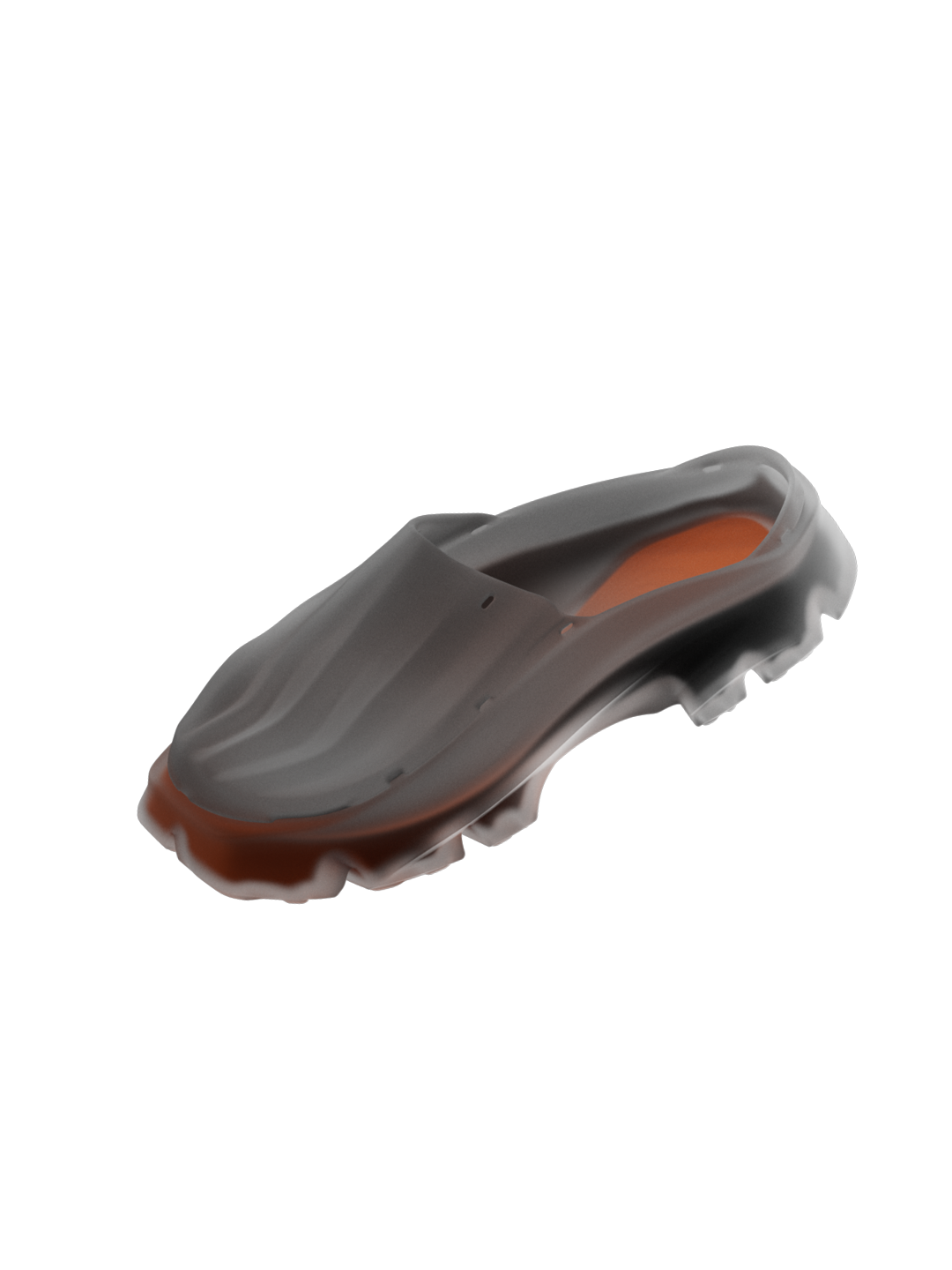
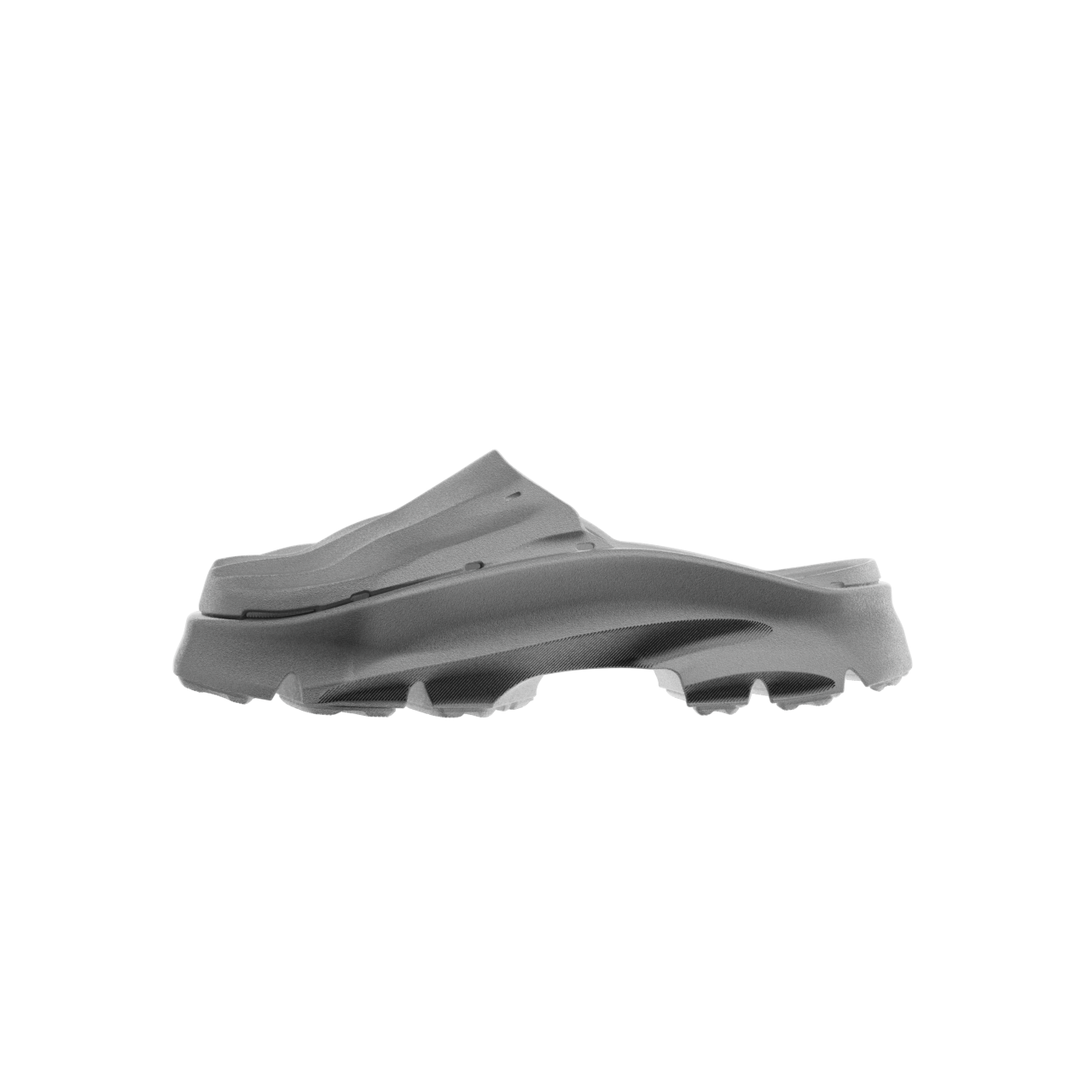
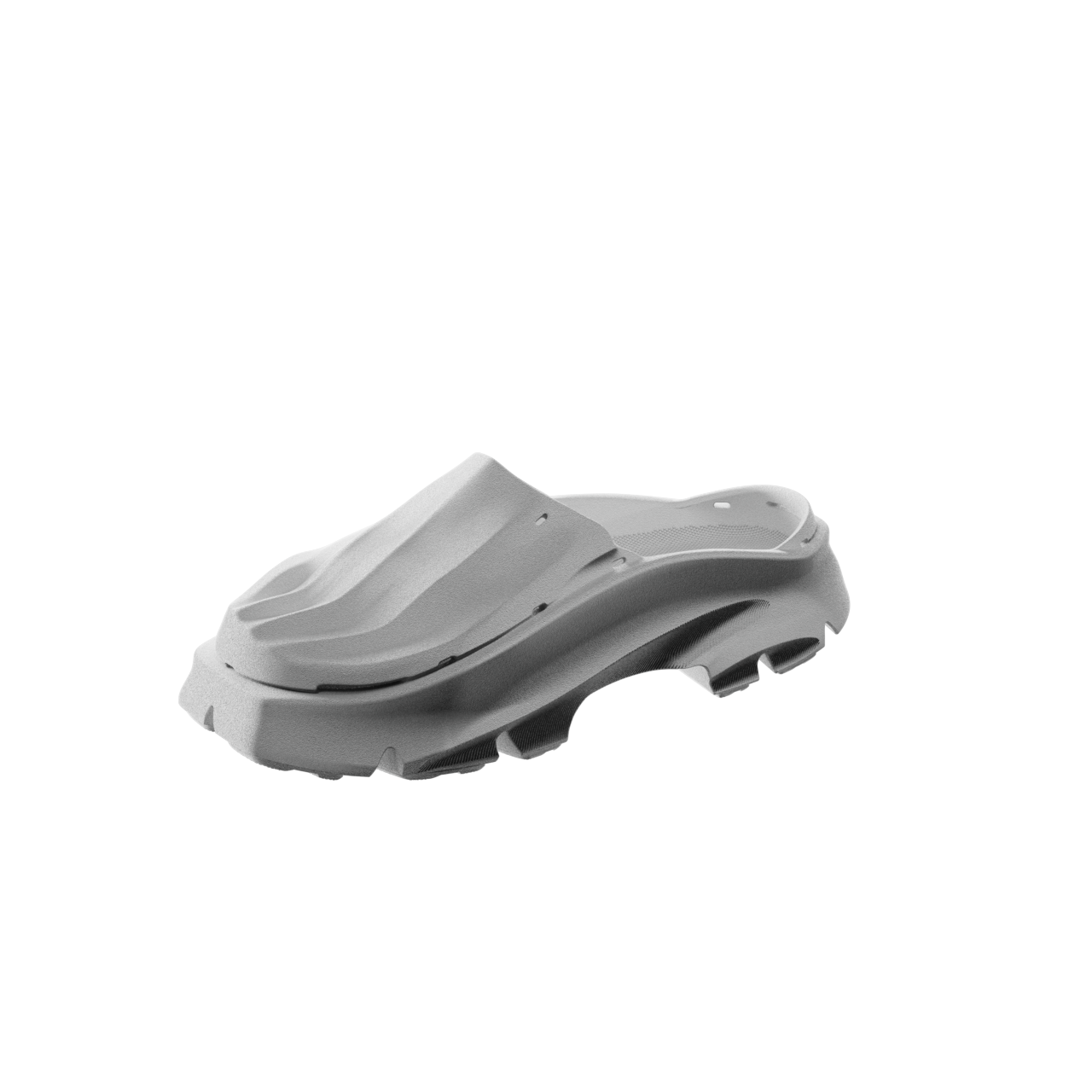
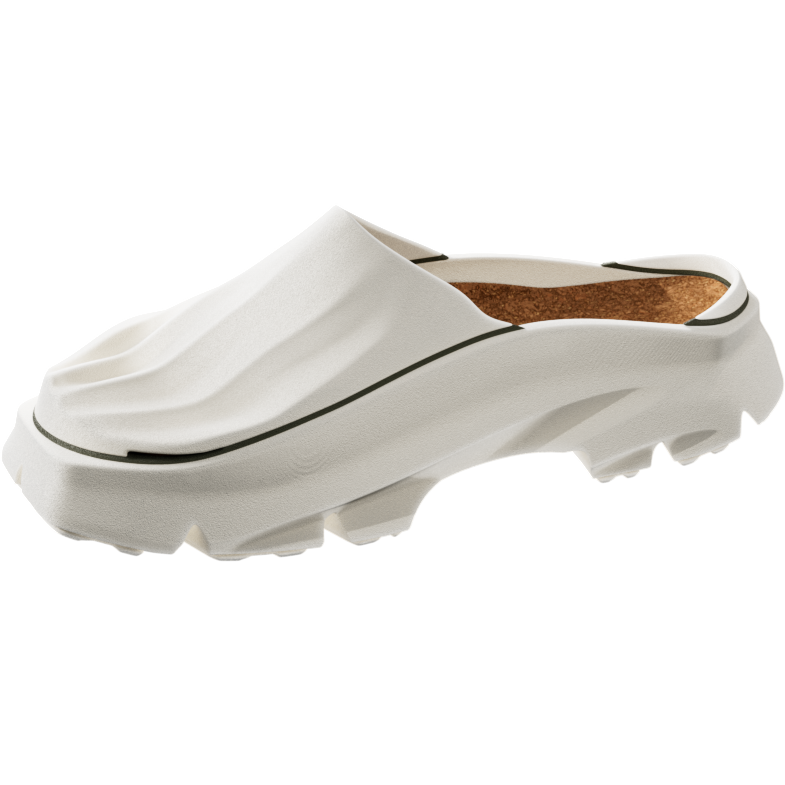
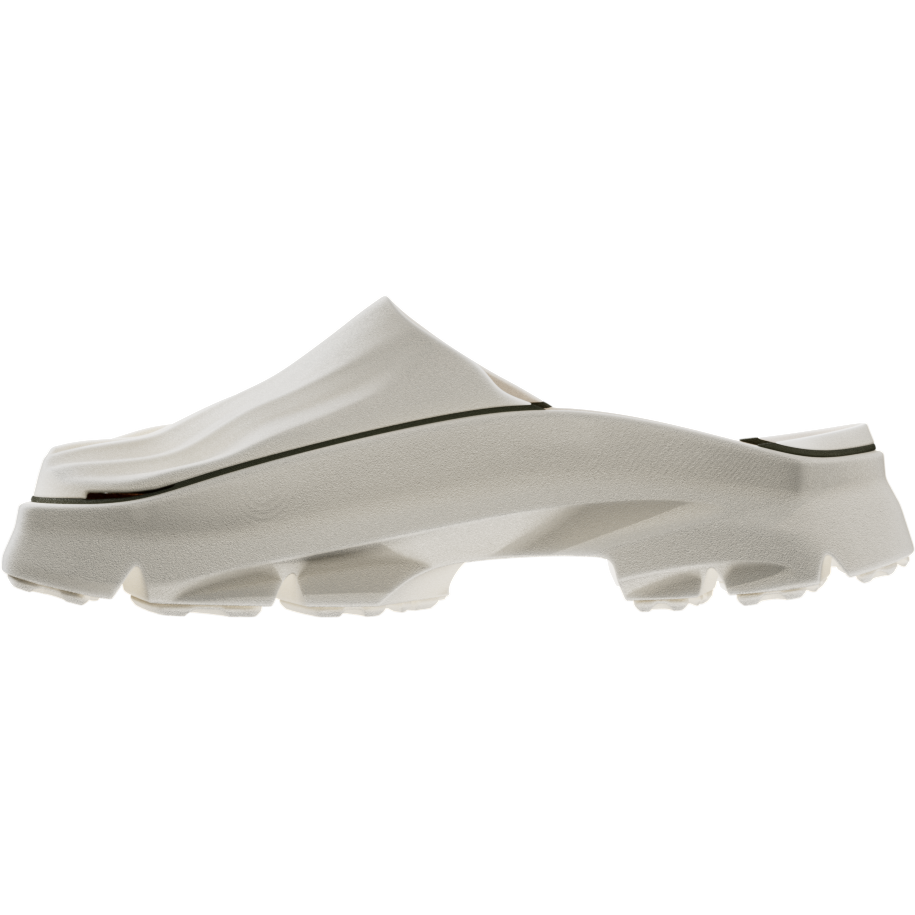
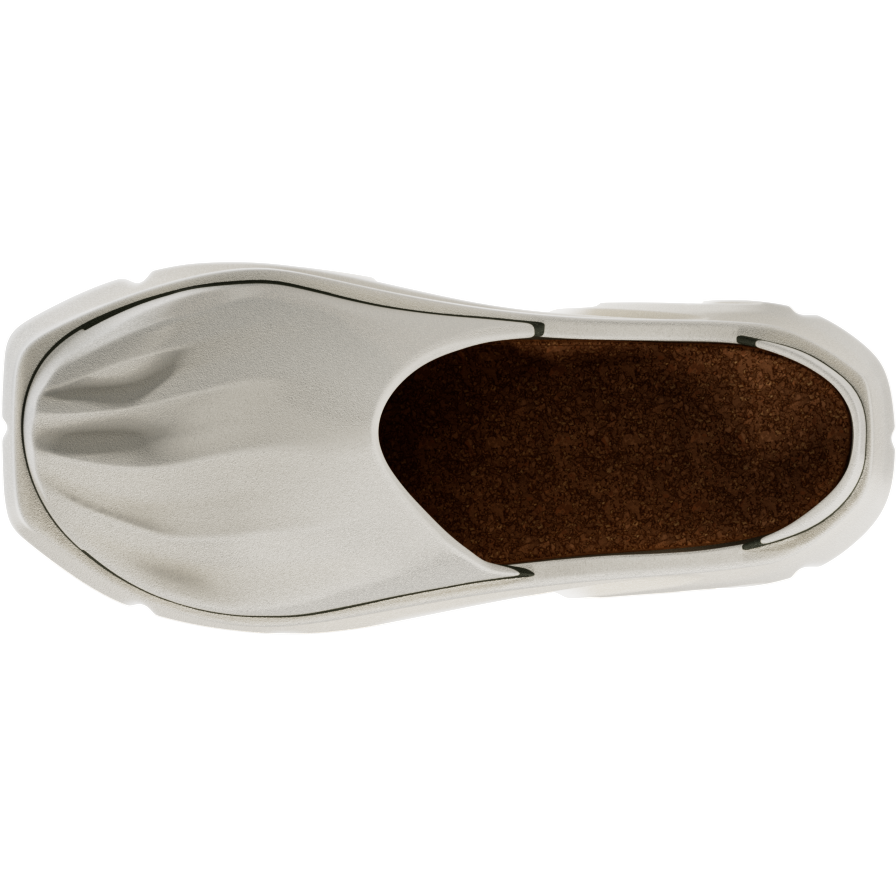
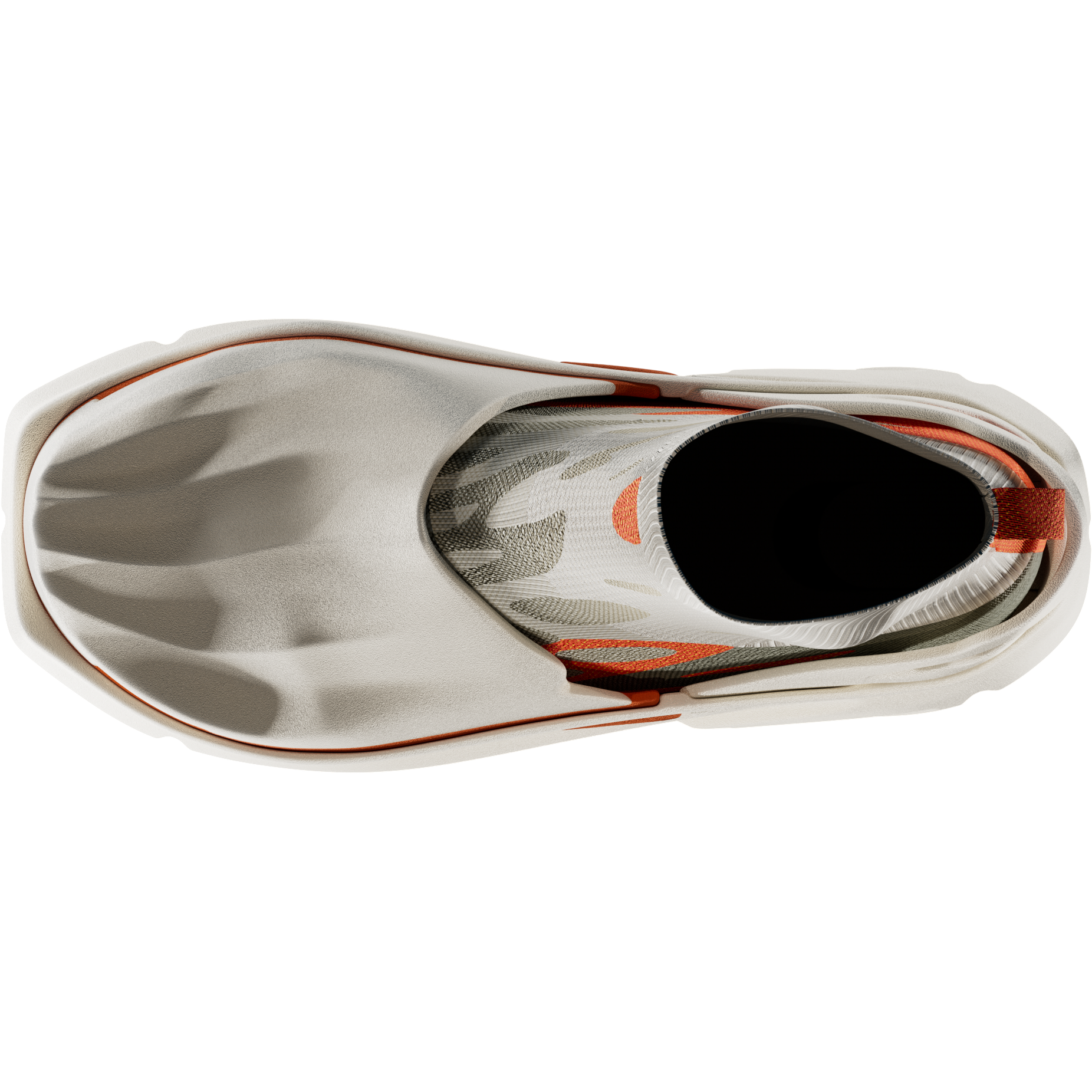
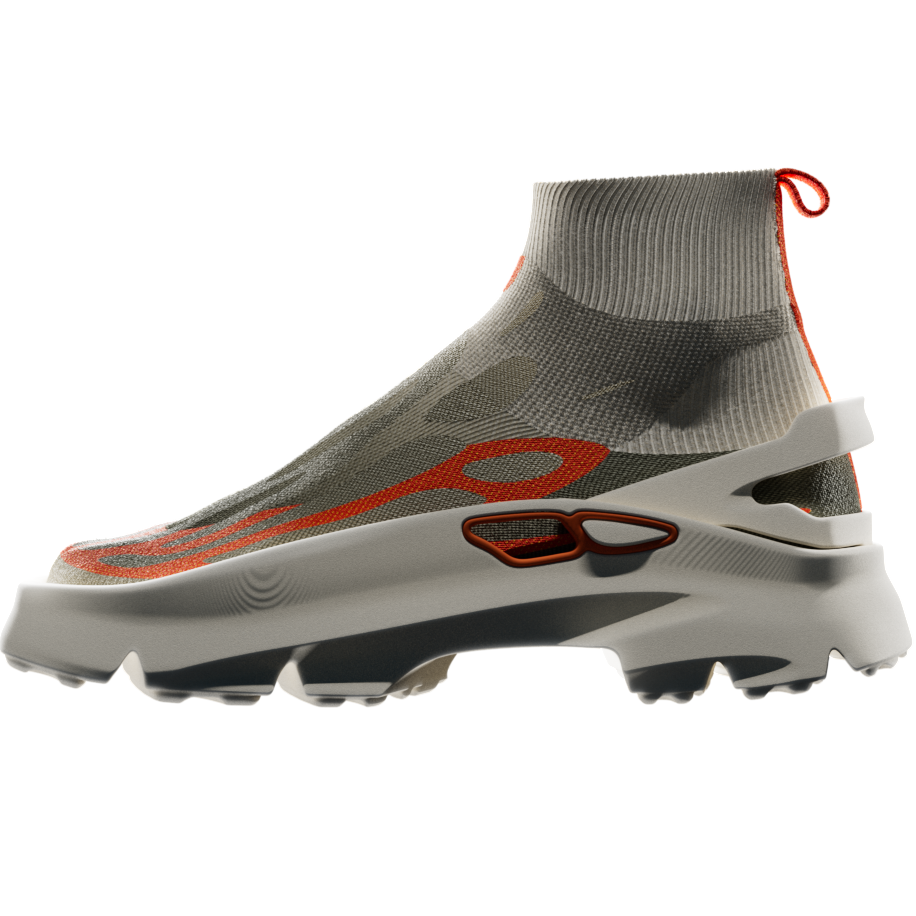
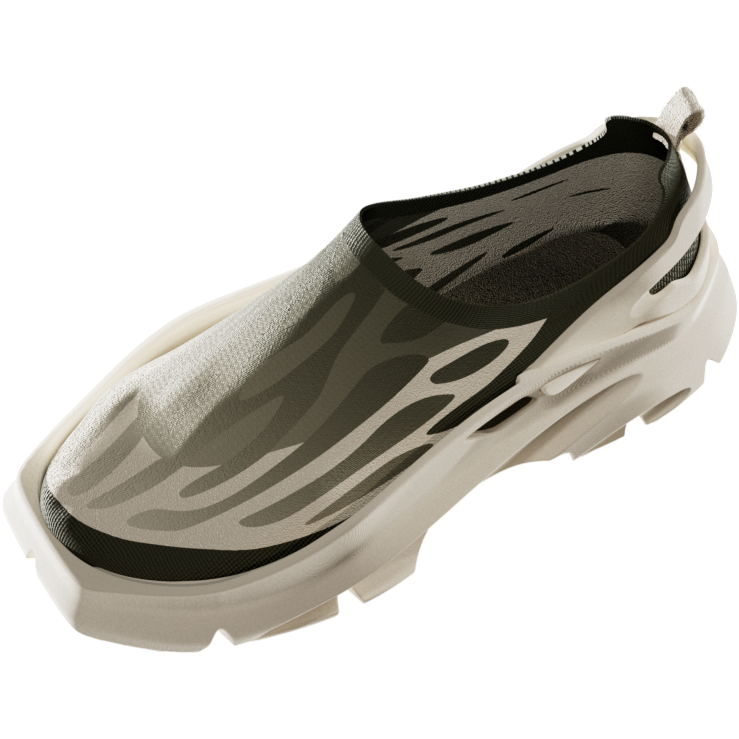
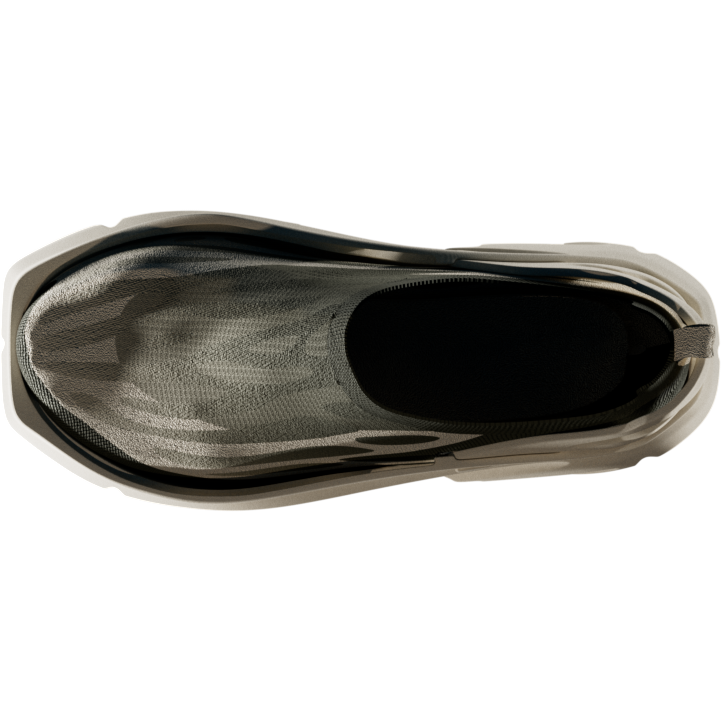
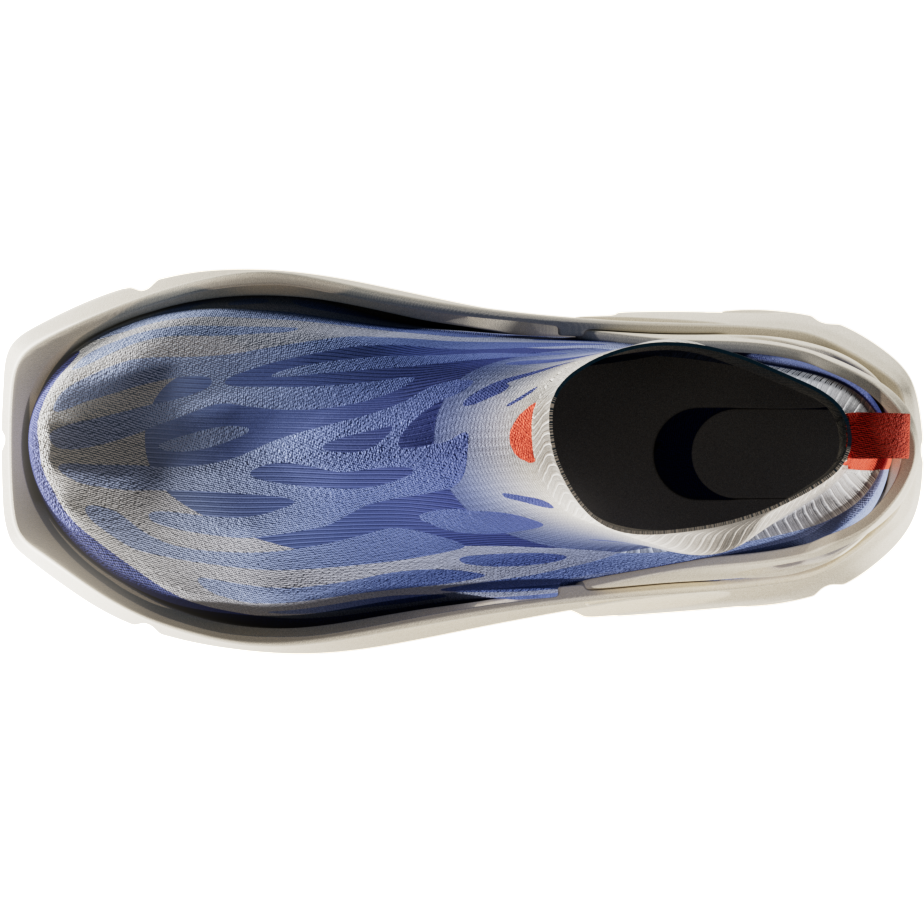
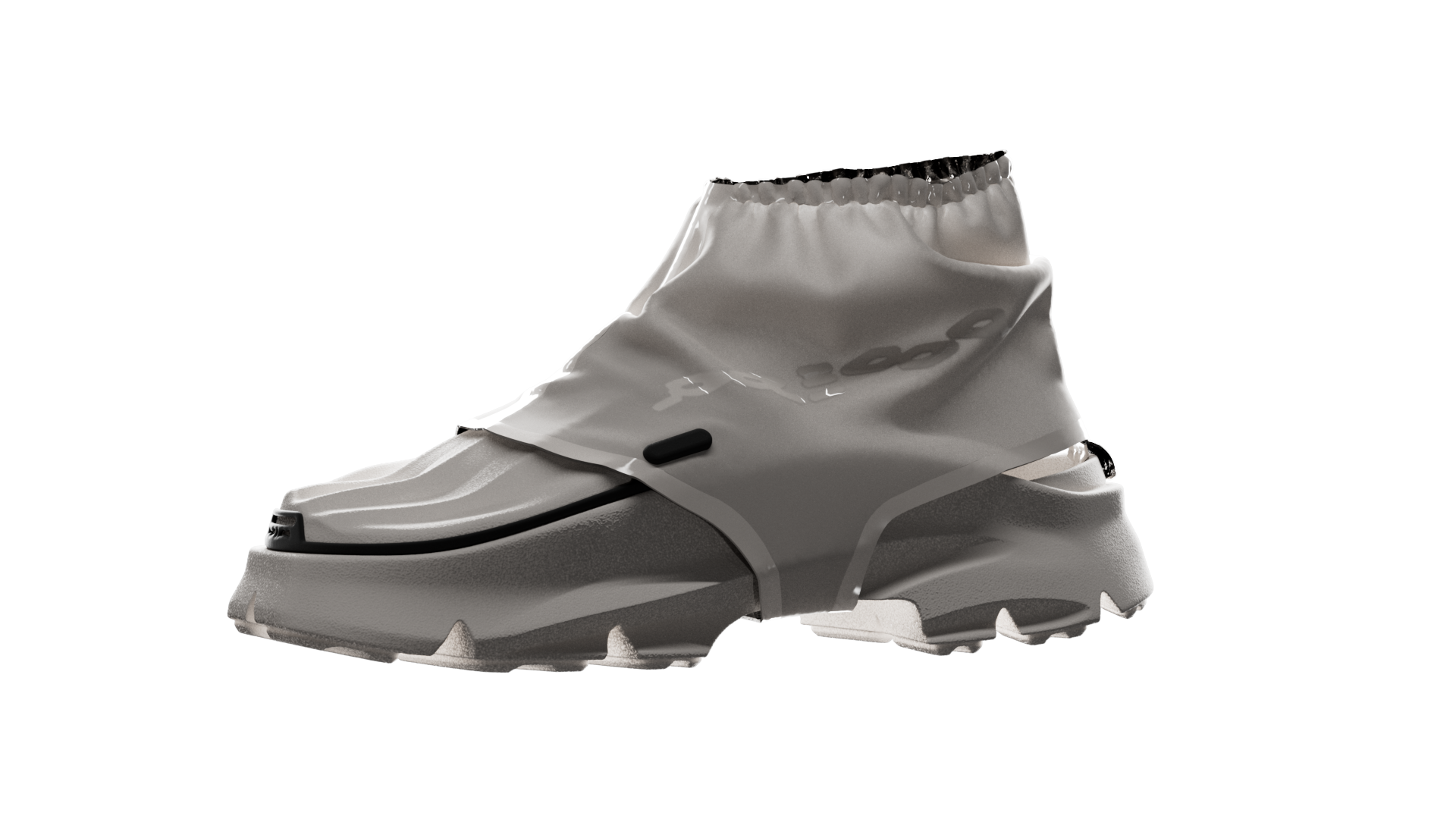
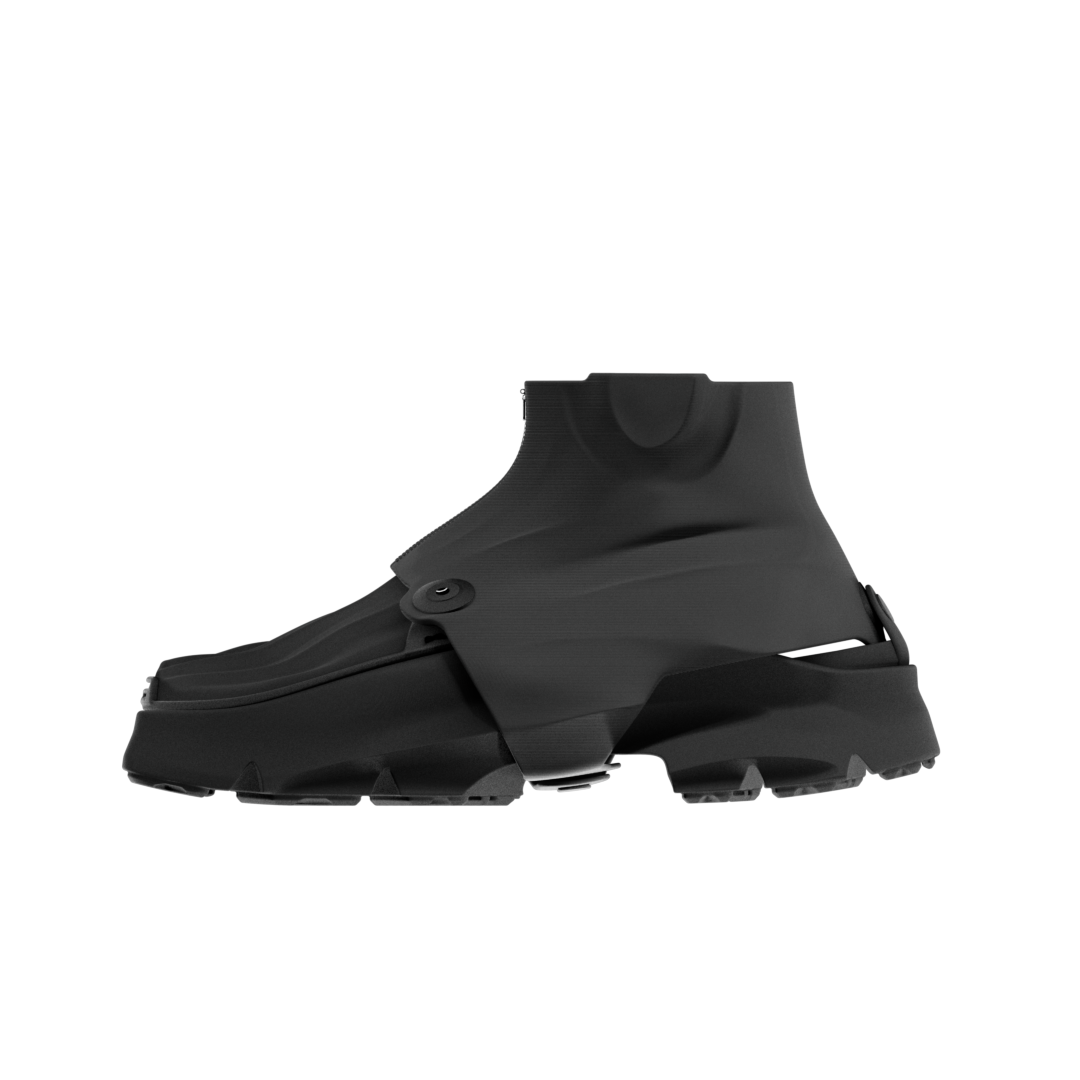
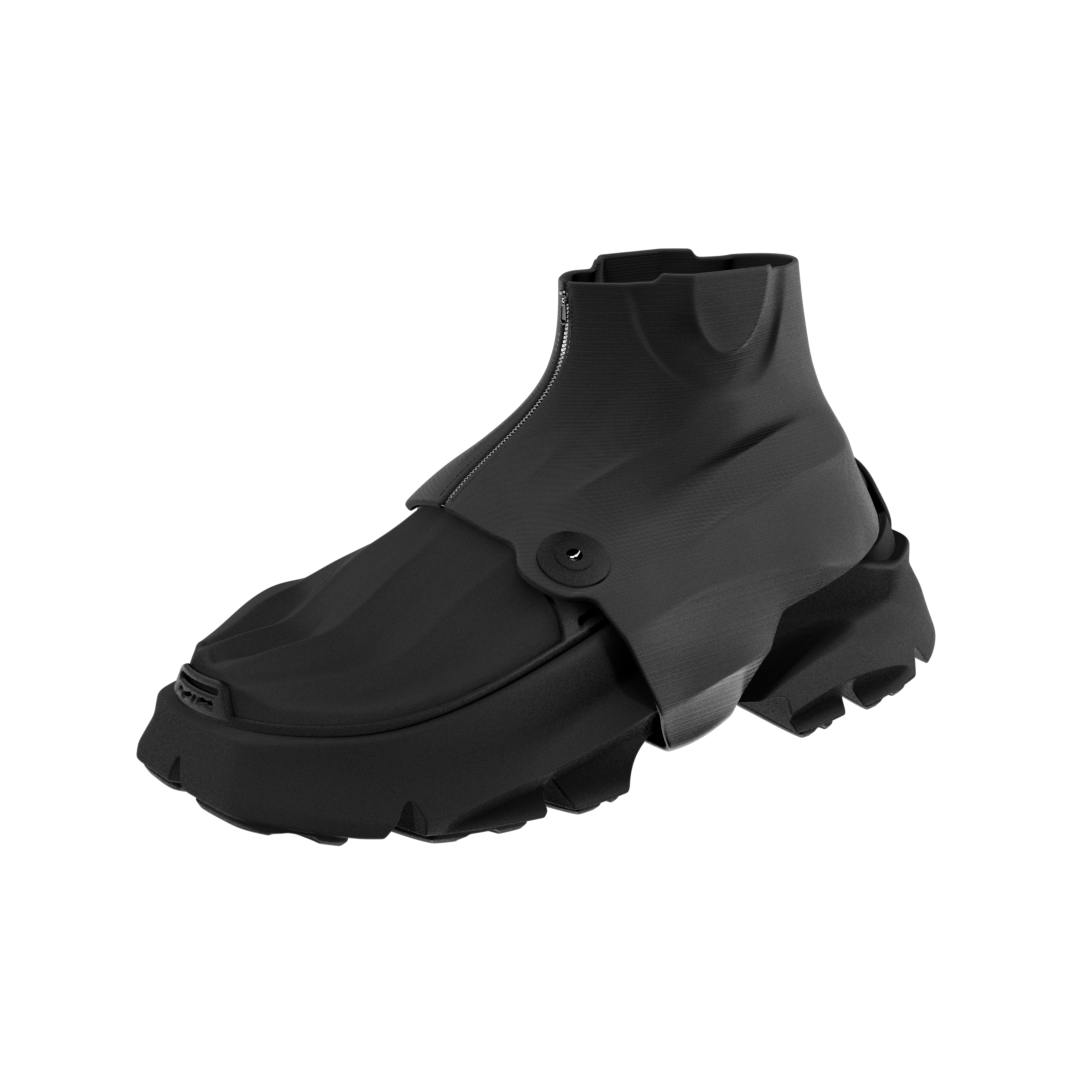
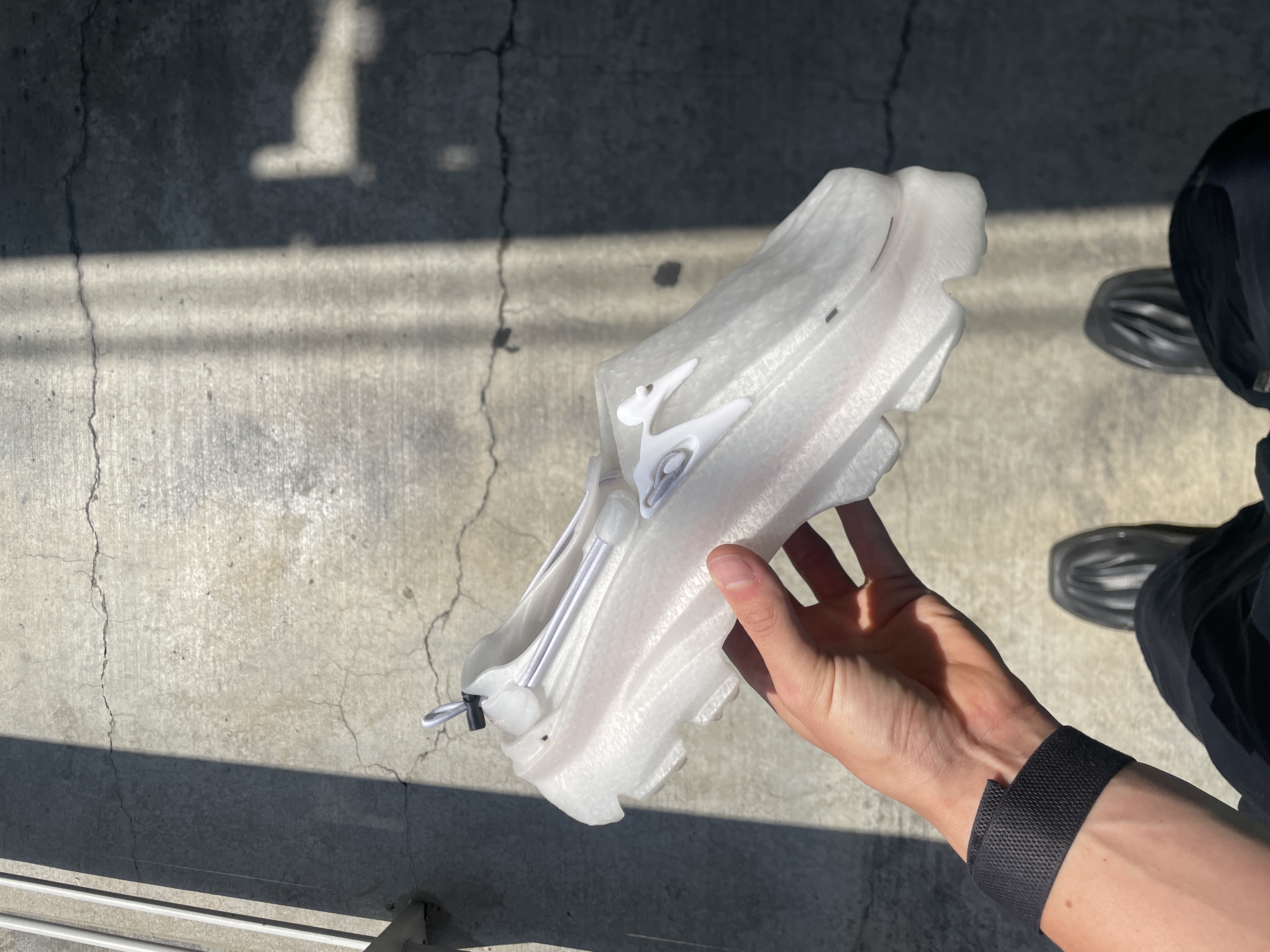
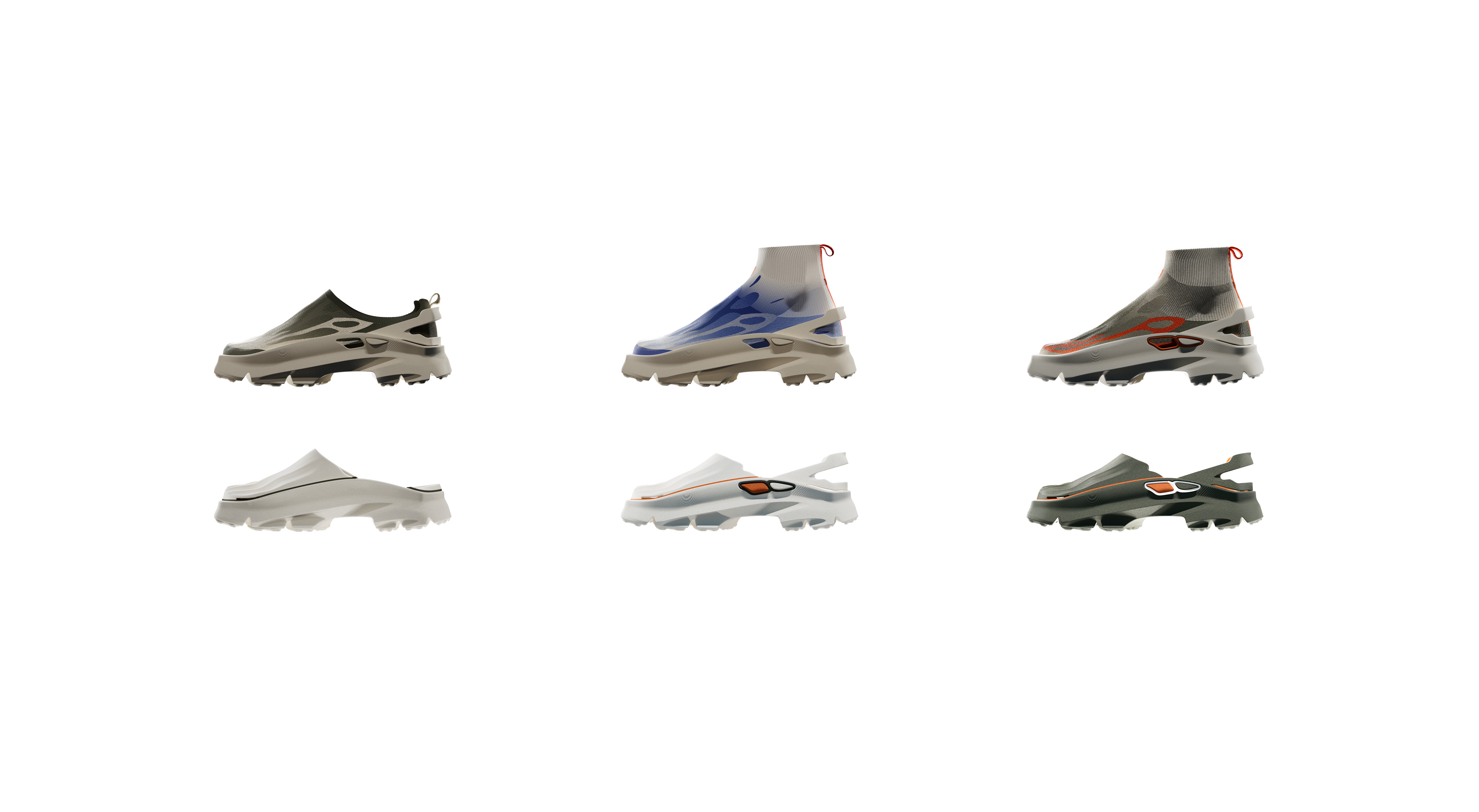
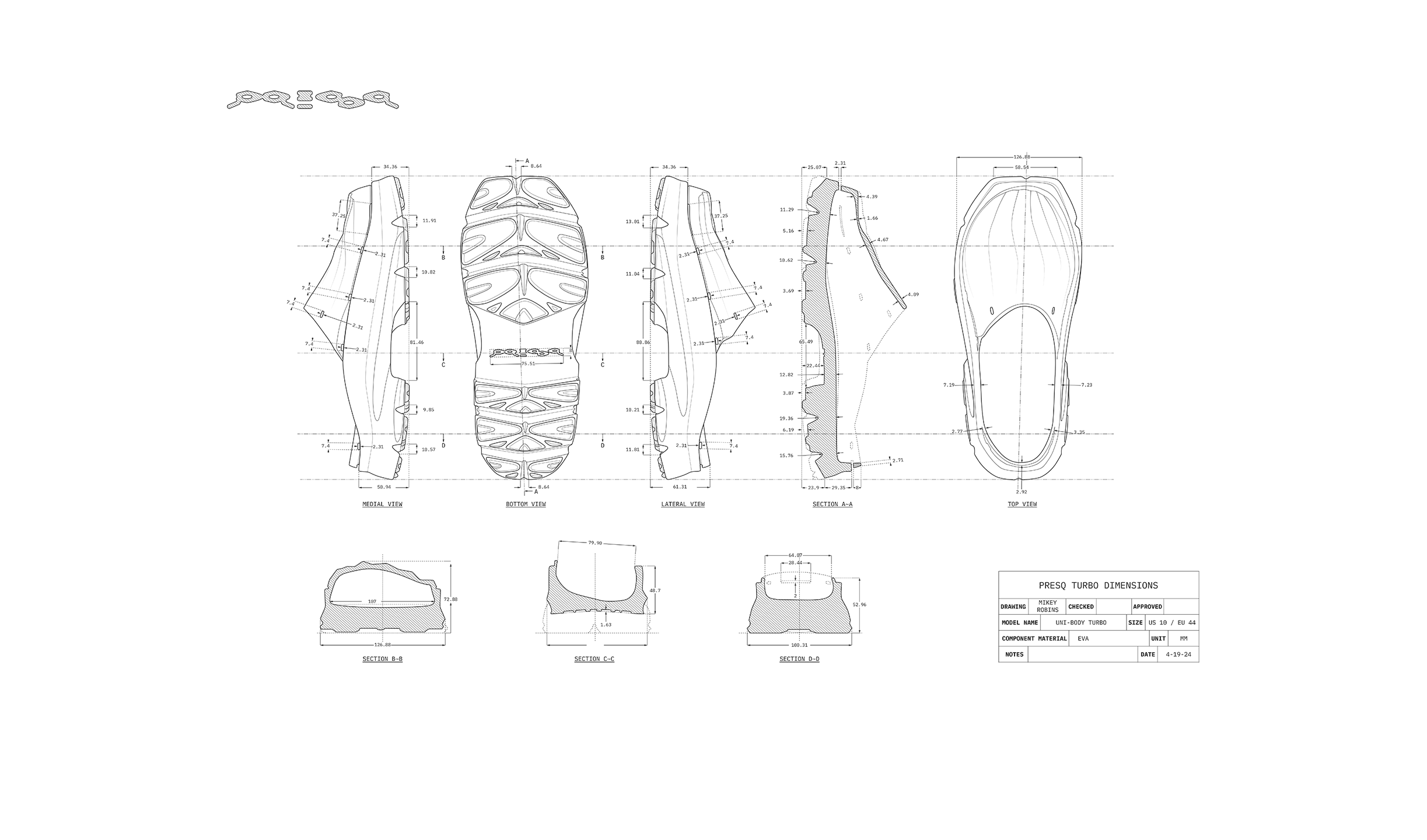
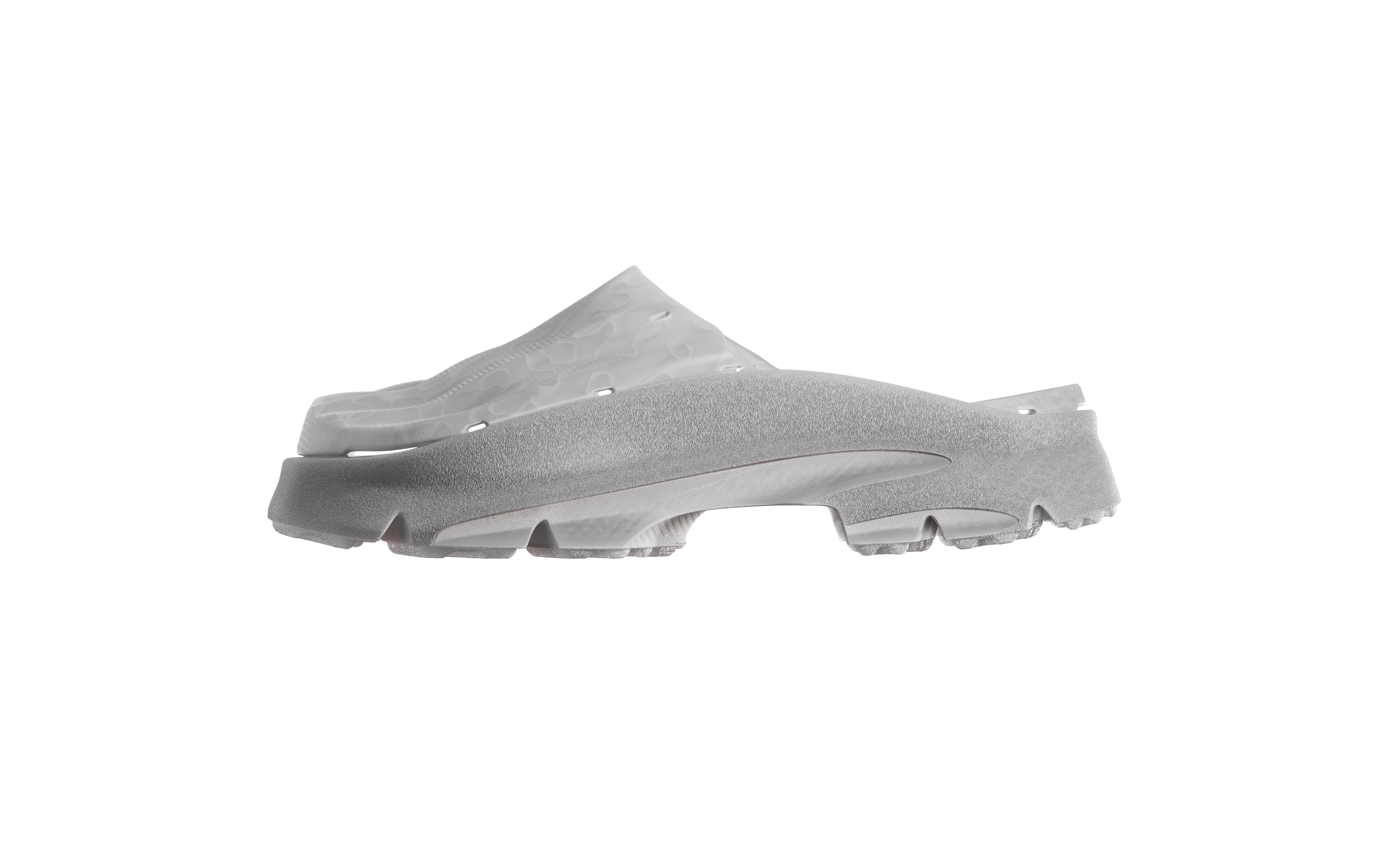
unibody or multibody the design speaks to the versatility of us all unwilling to be boxed in - to be limited
endless permutations:
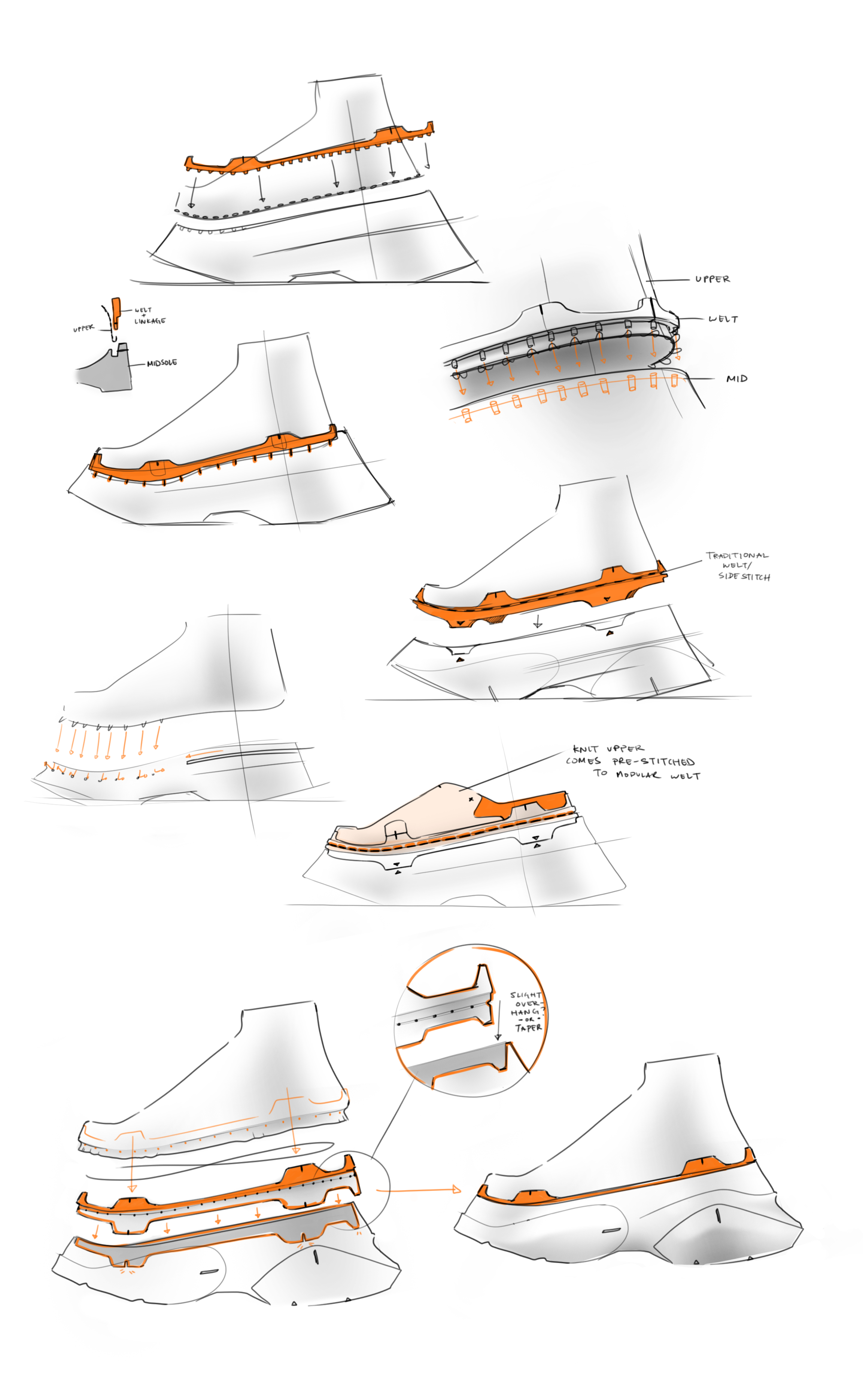
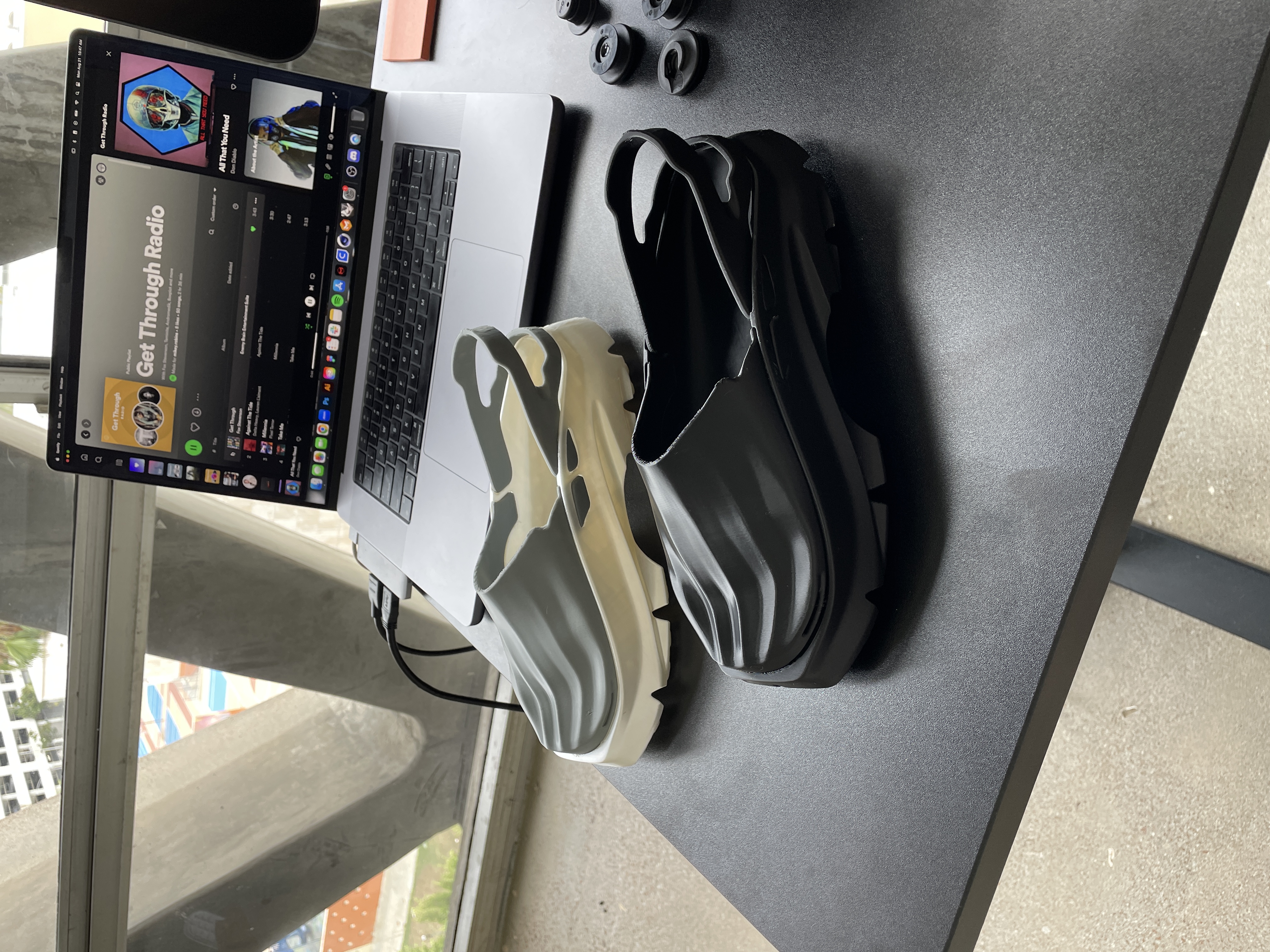
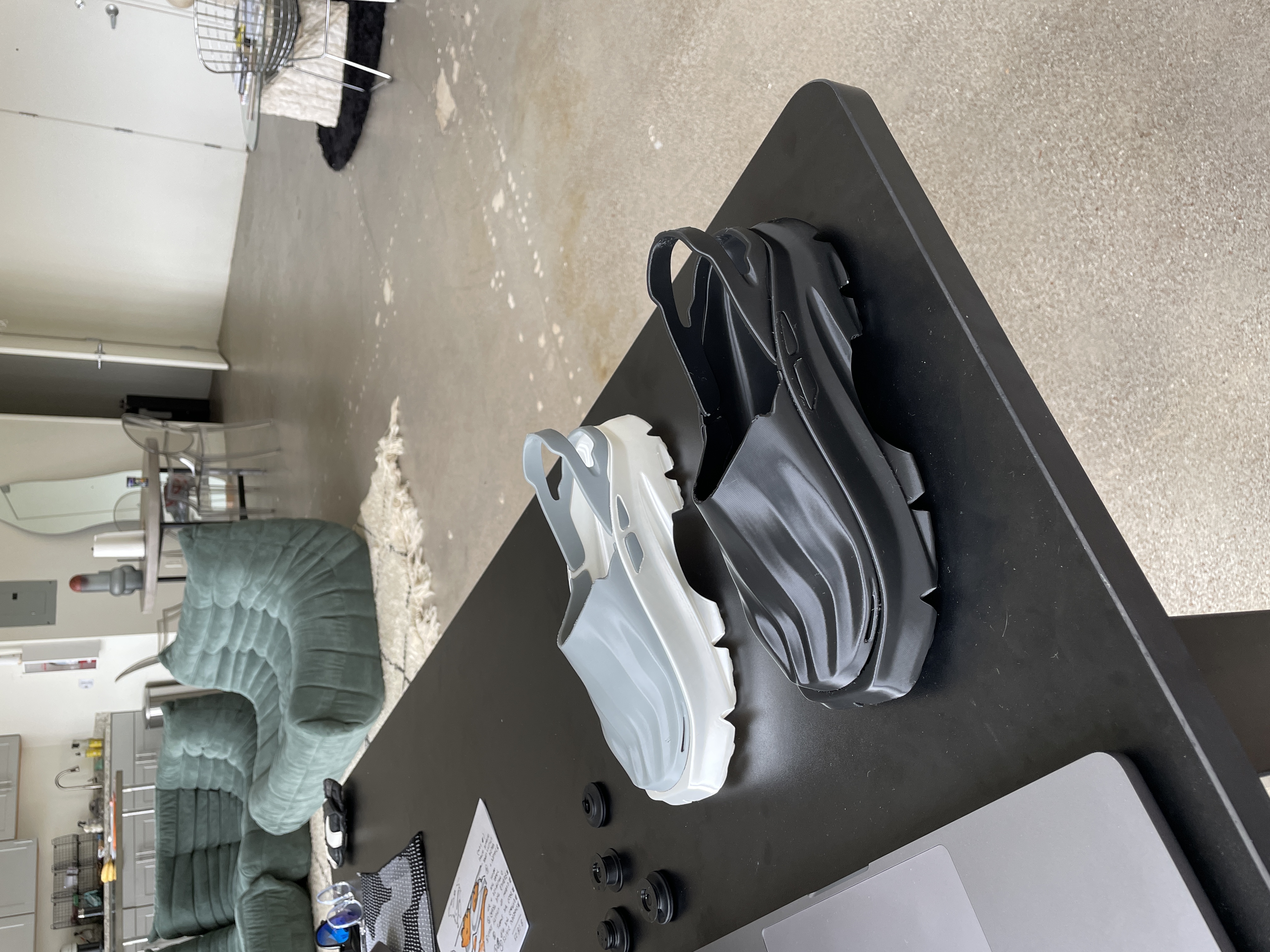
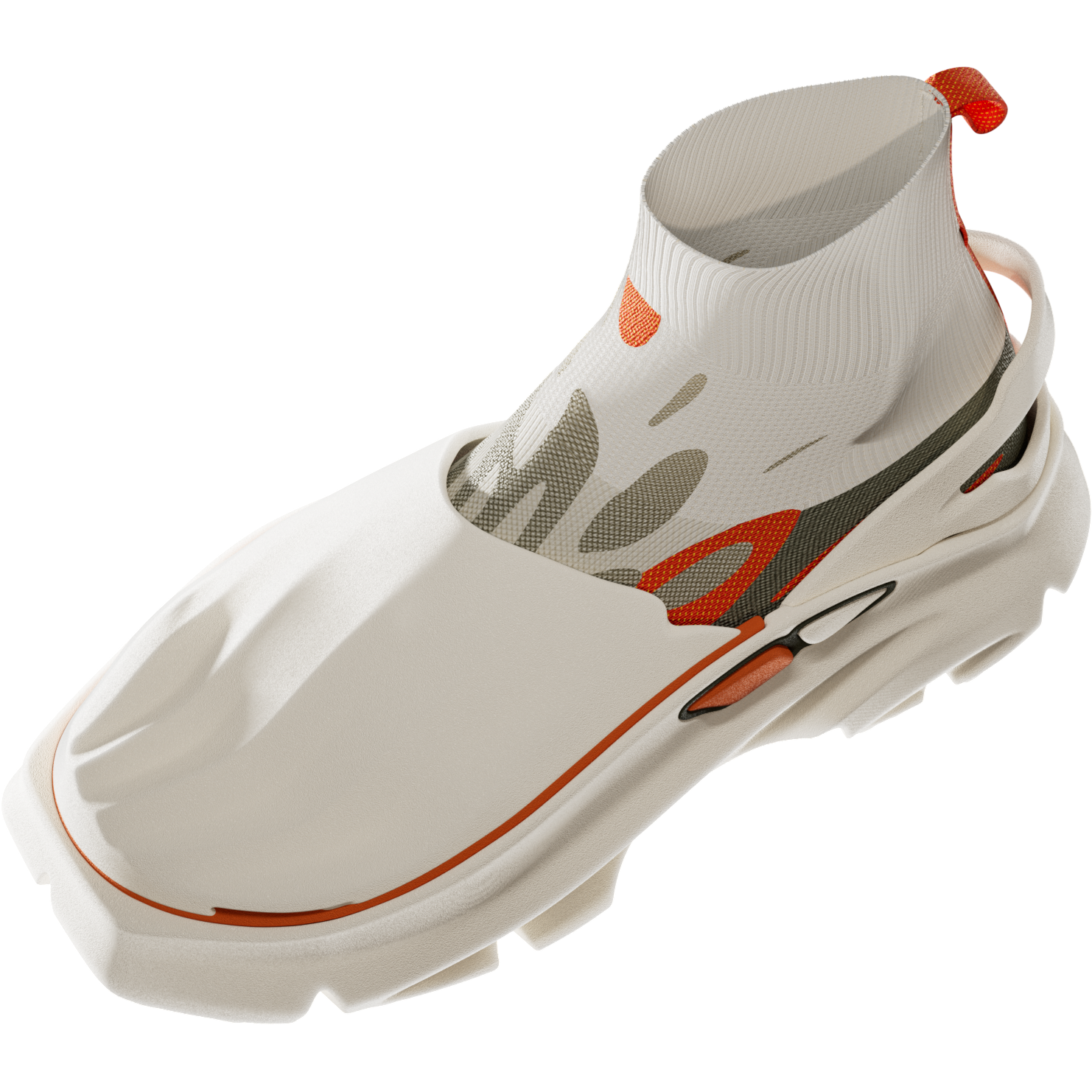
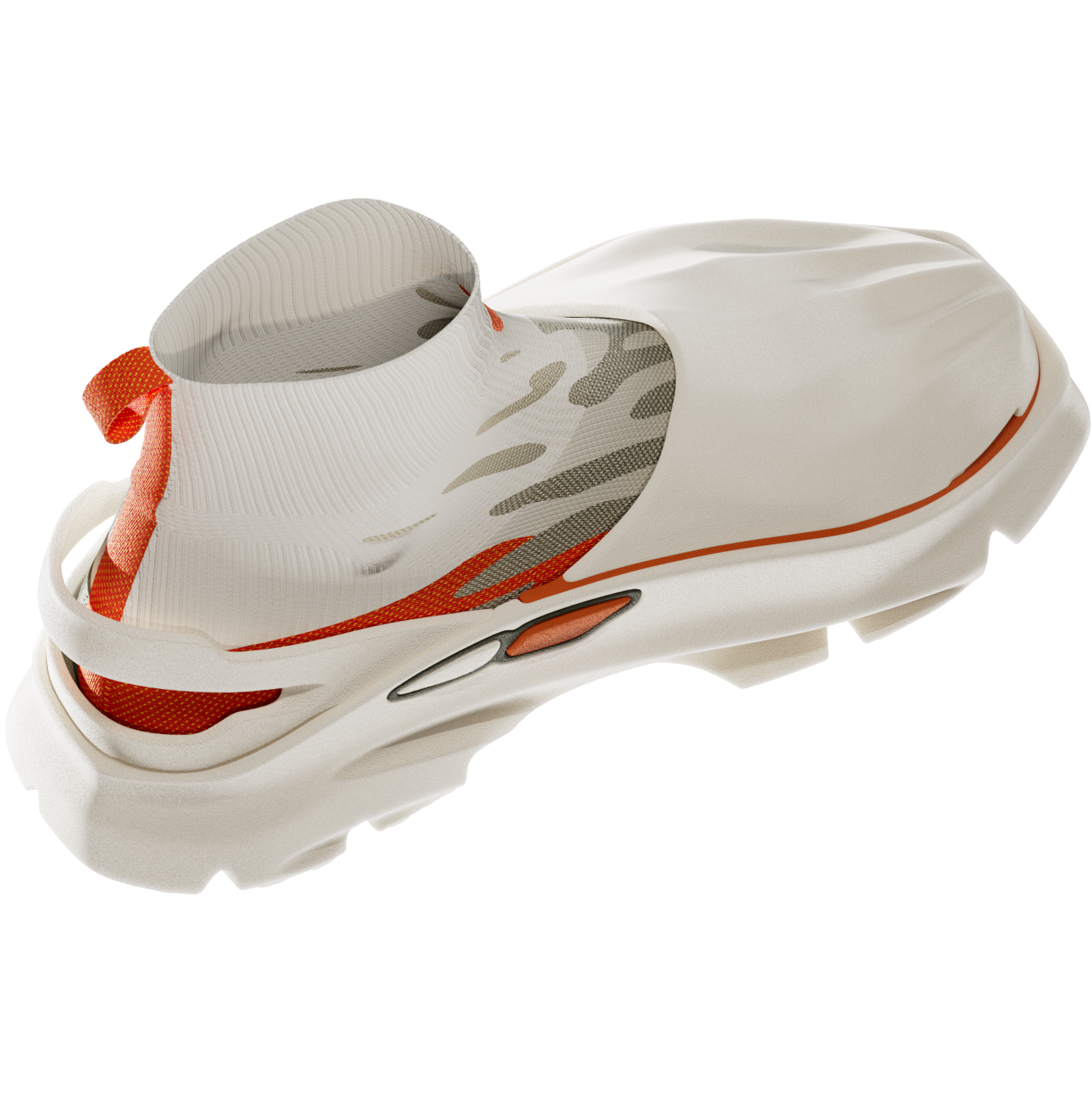
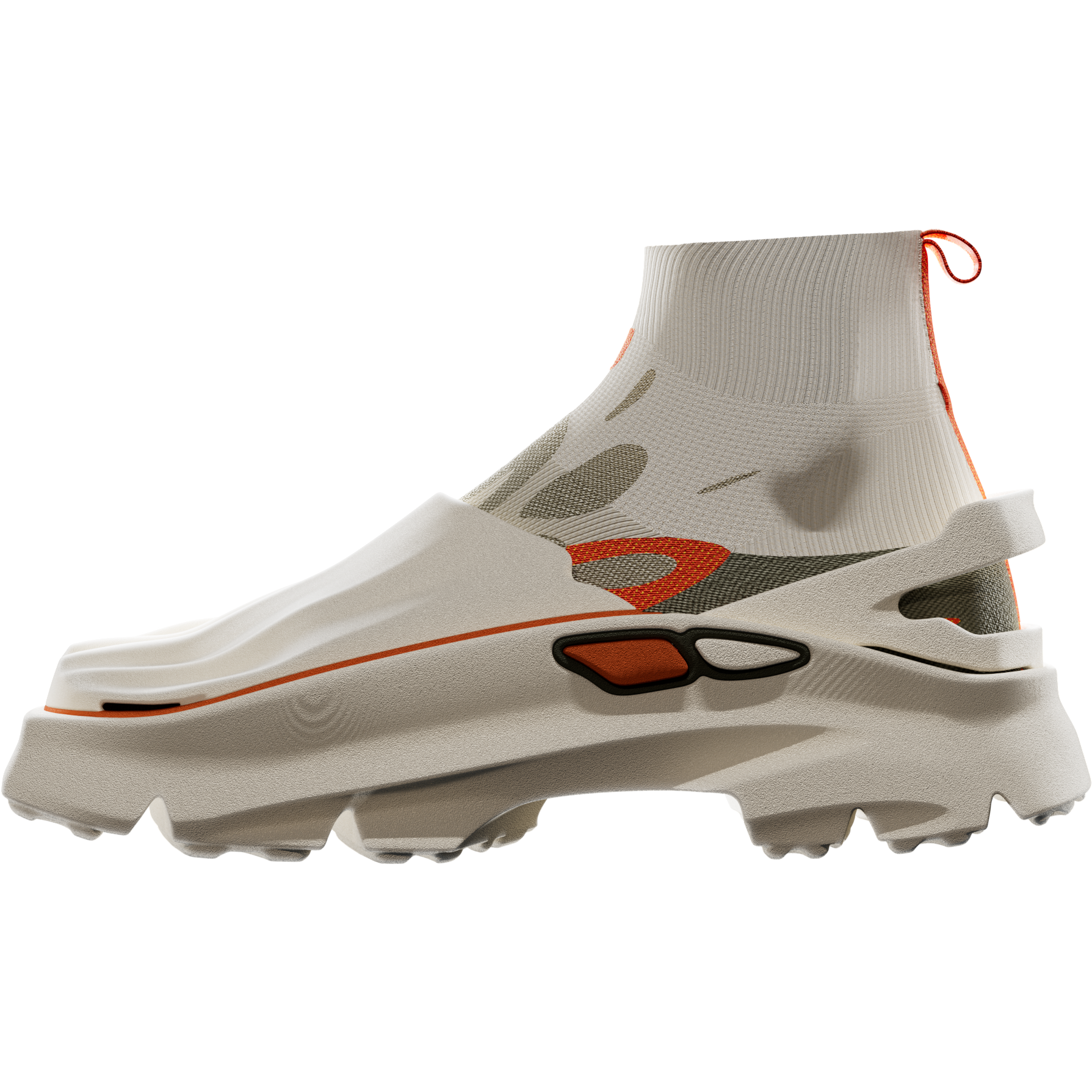
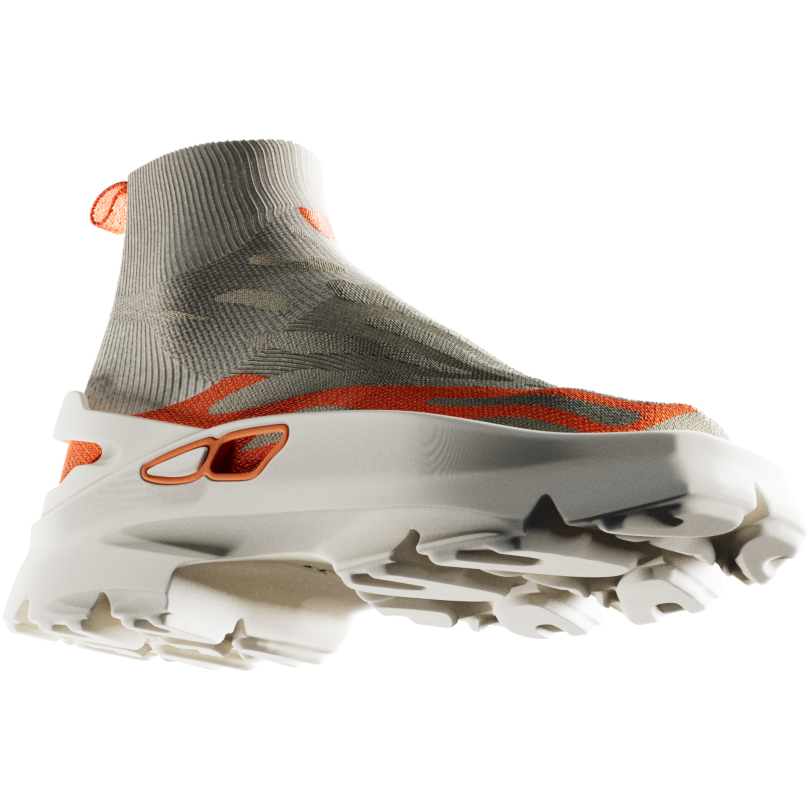
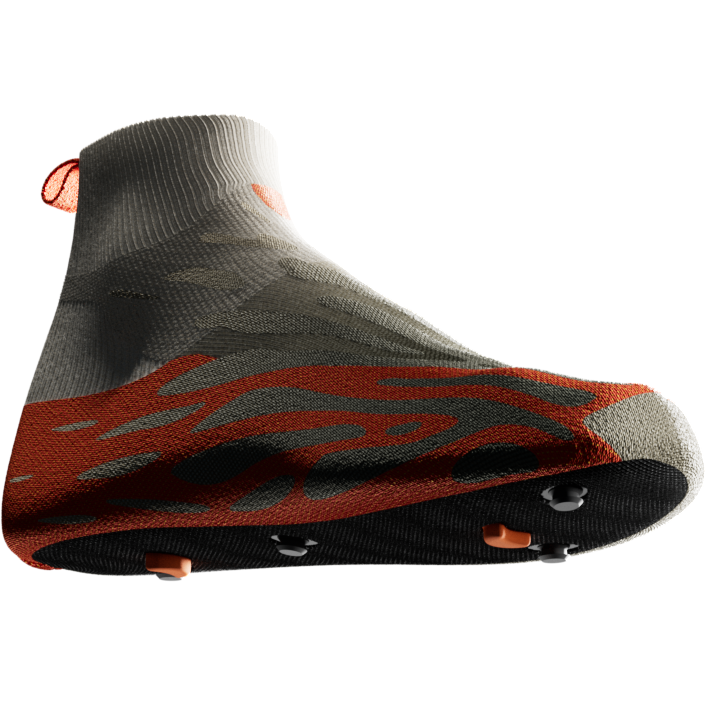
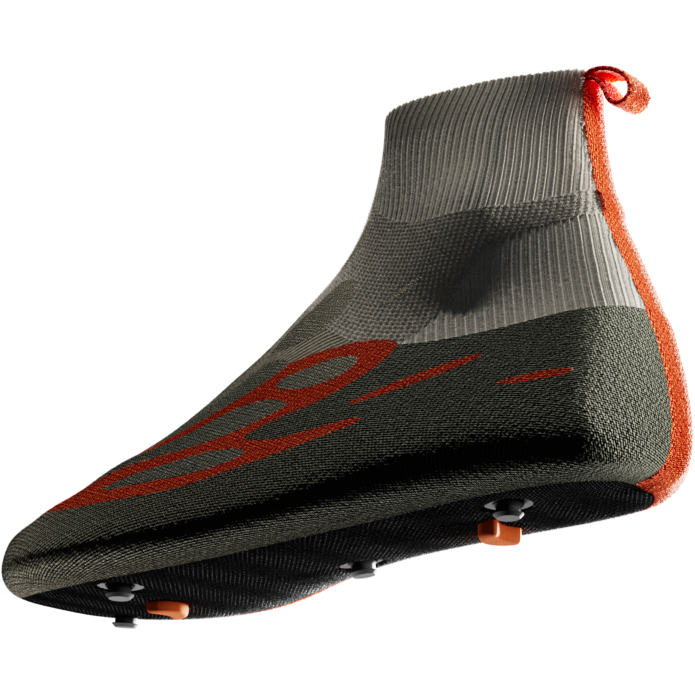
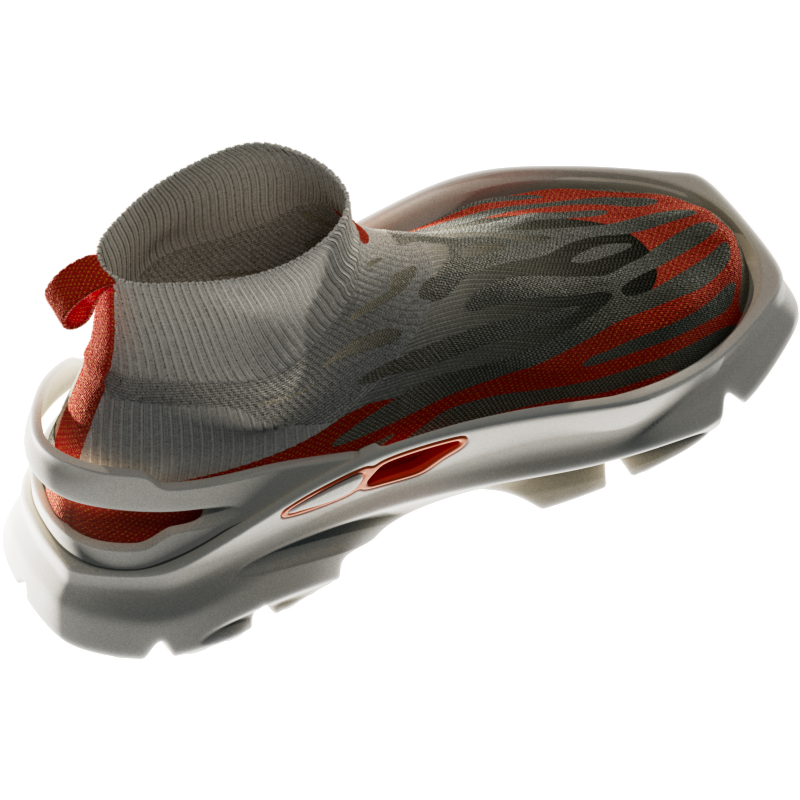
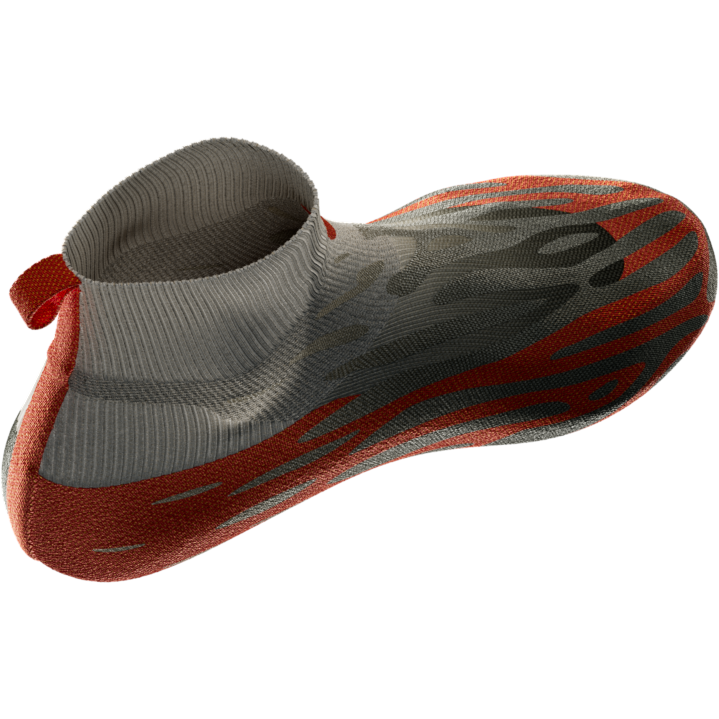
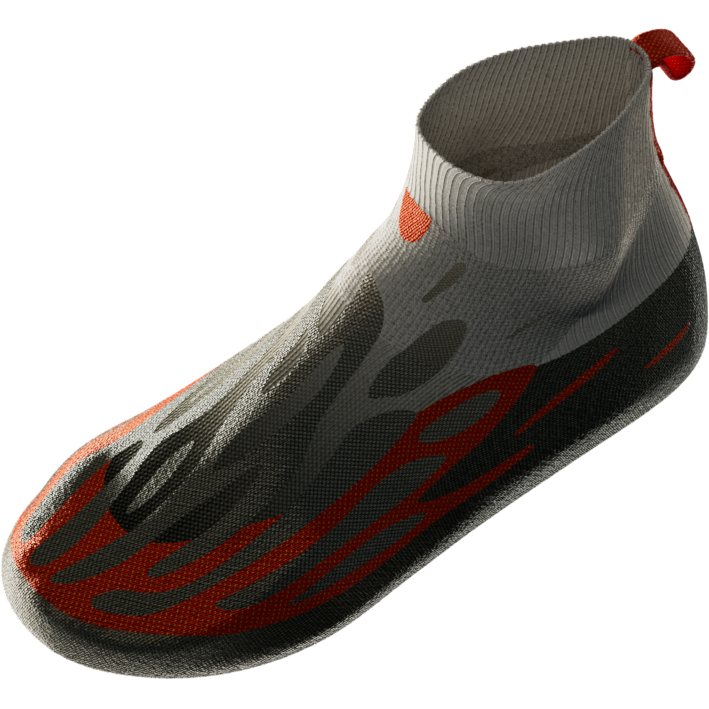
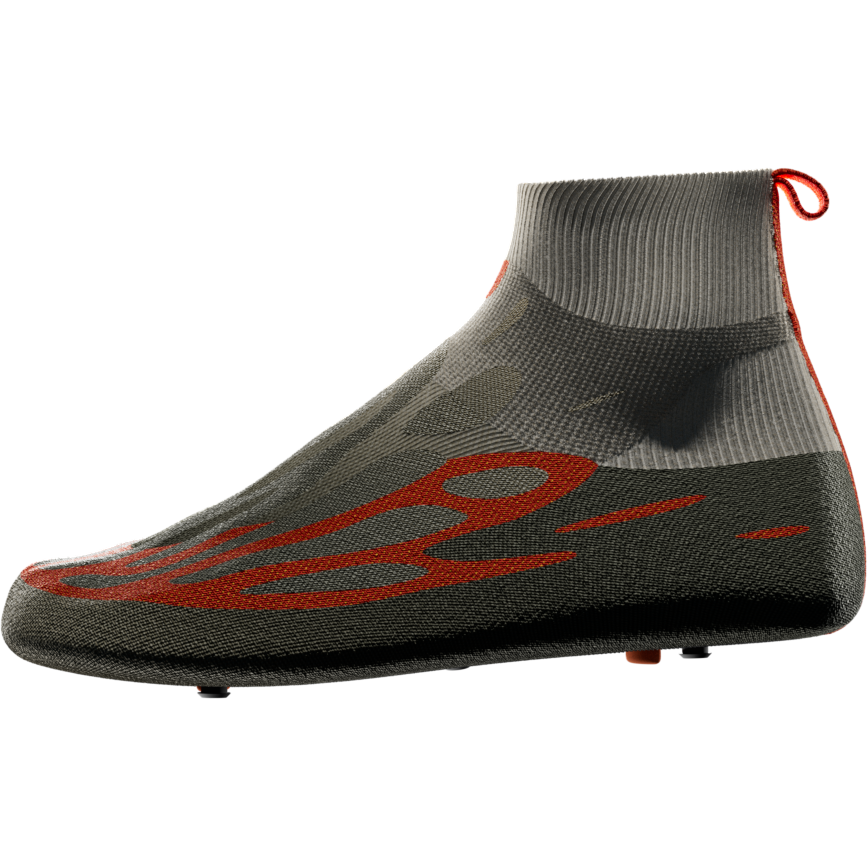
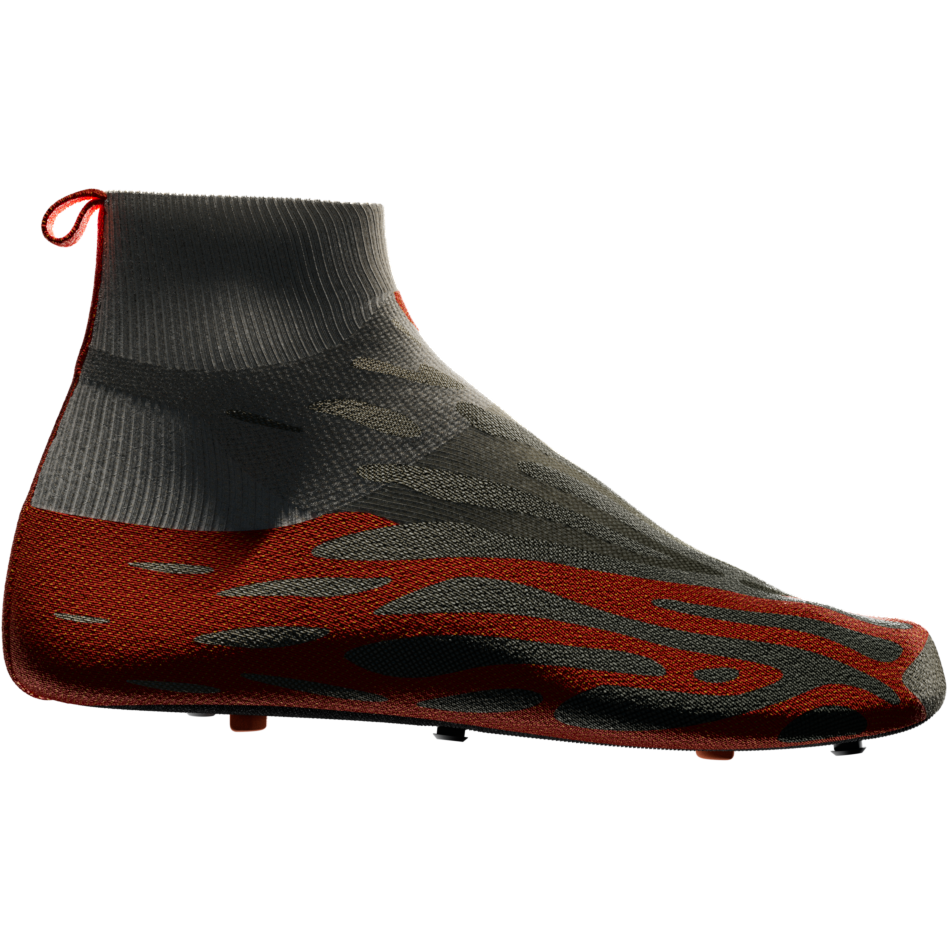
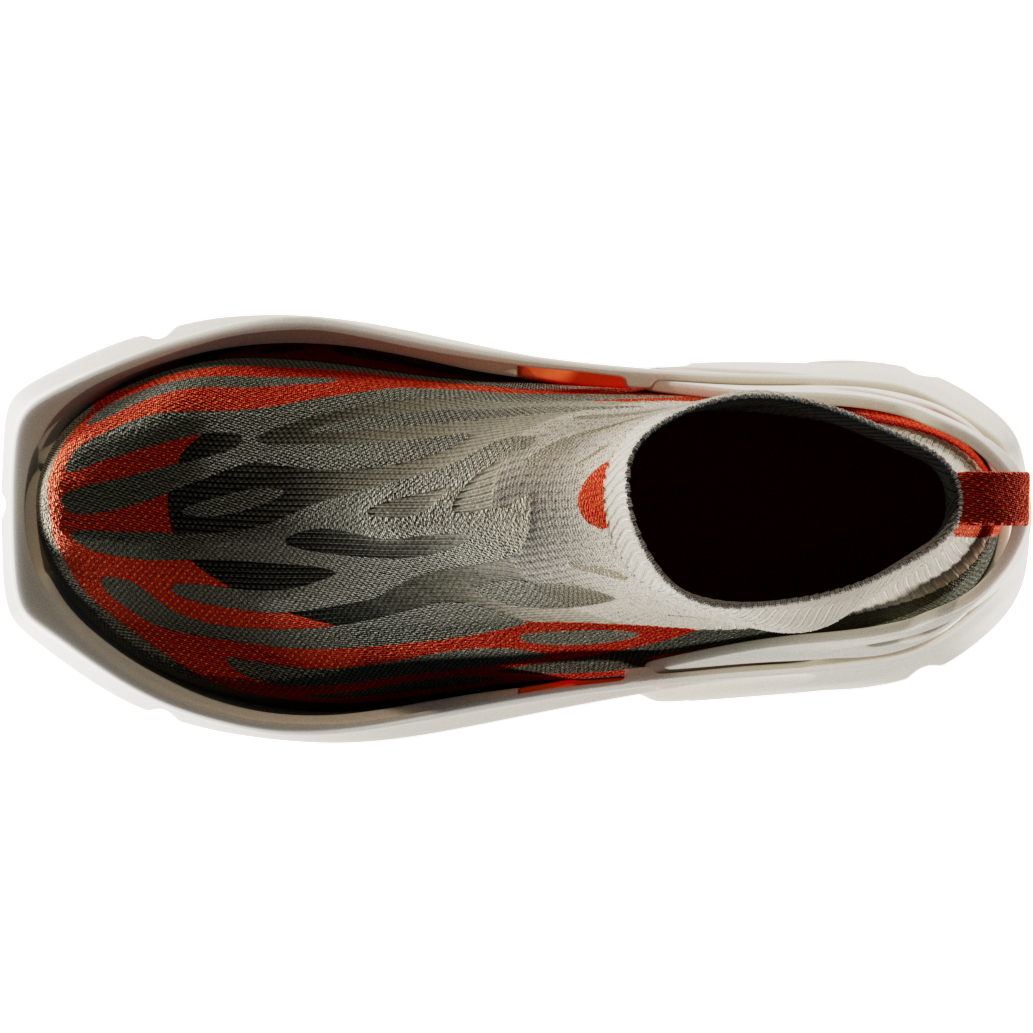
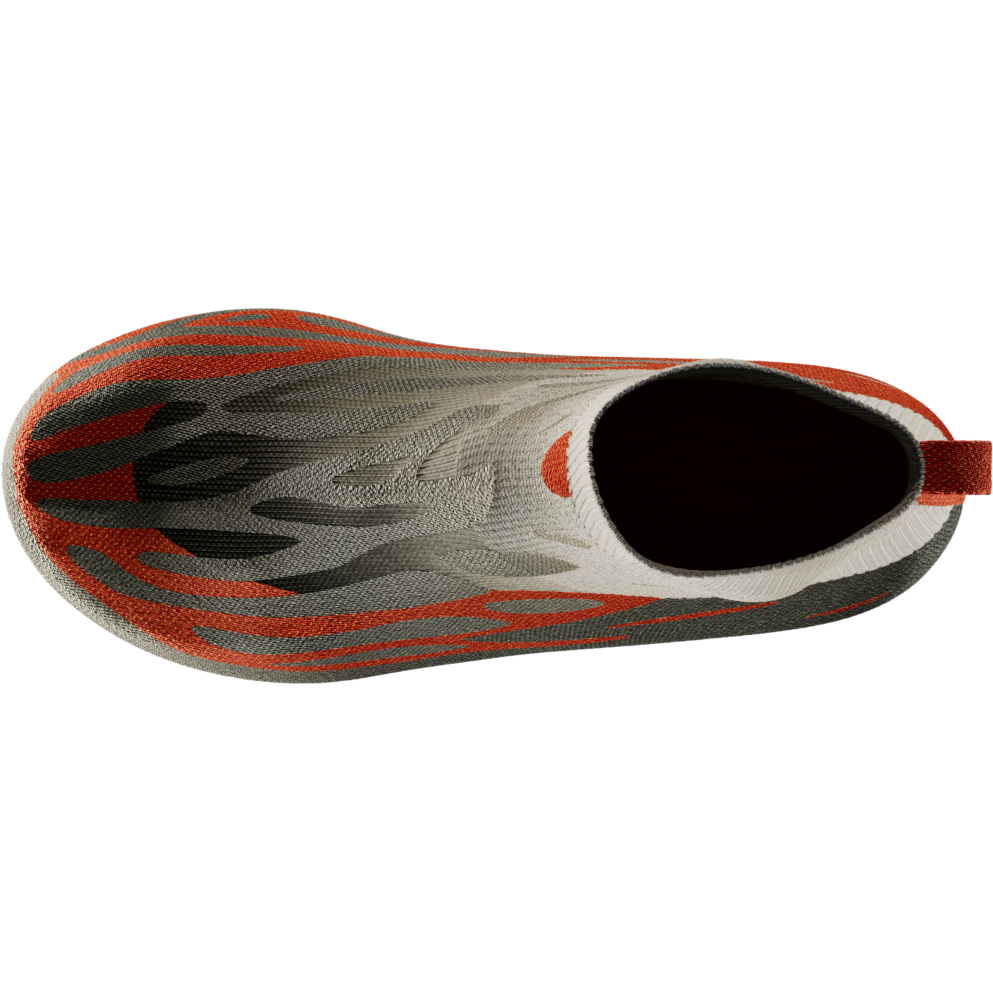
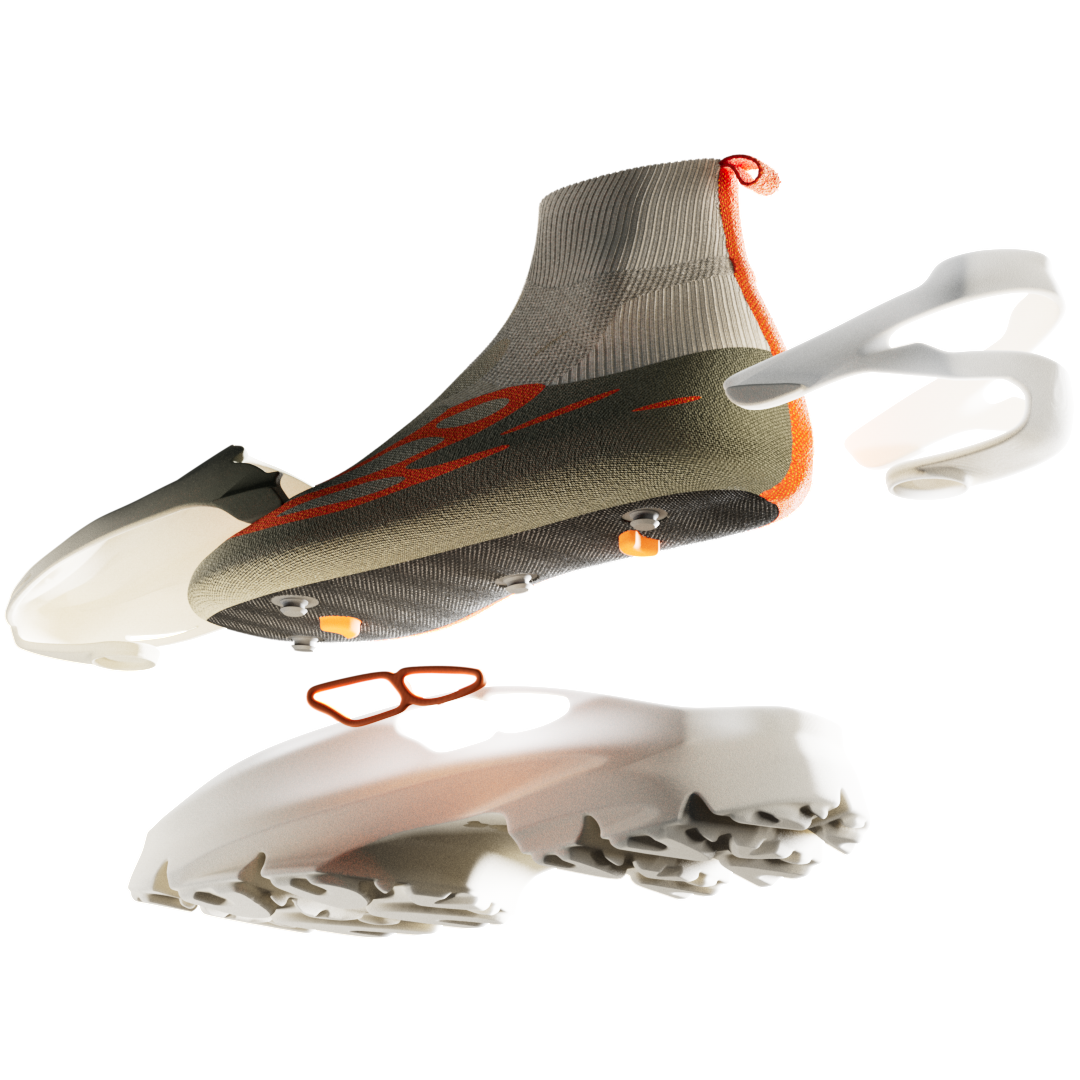
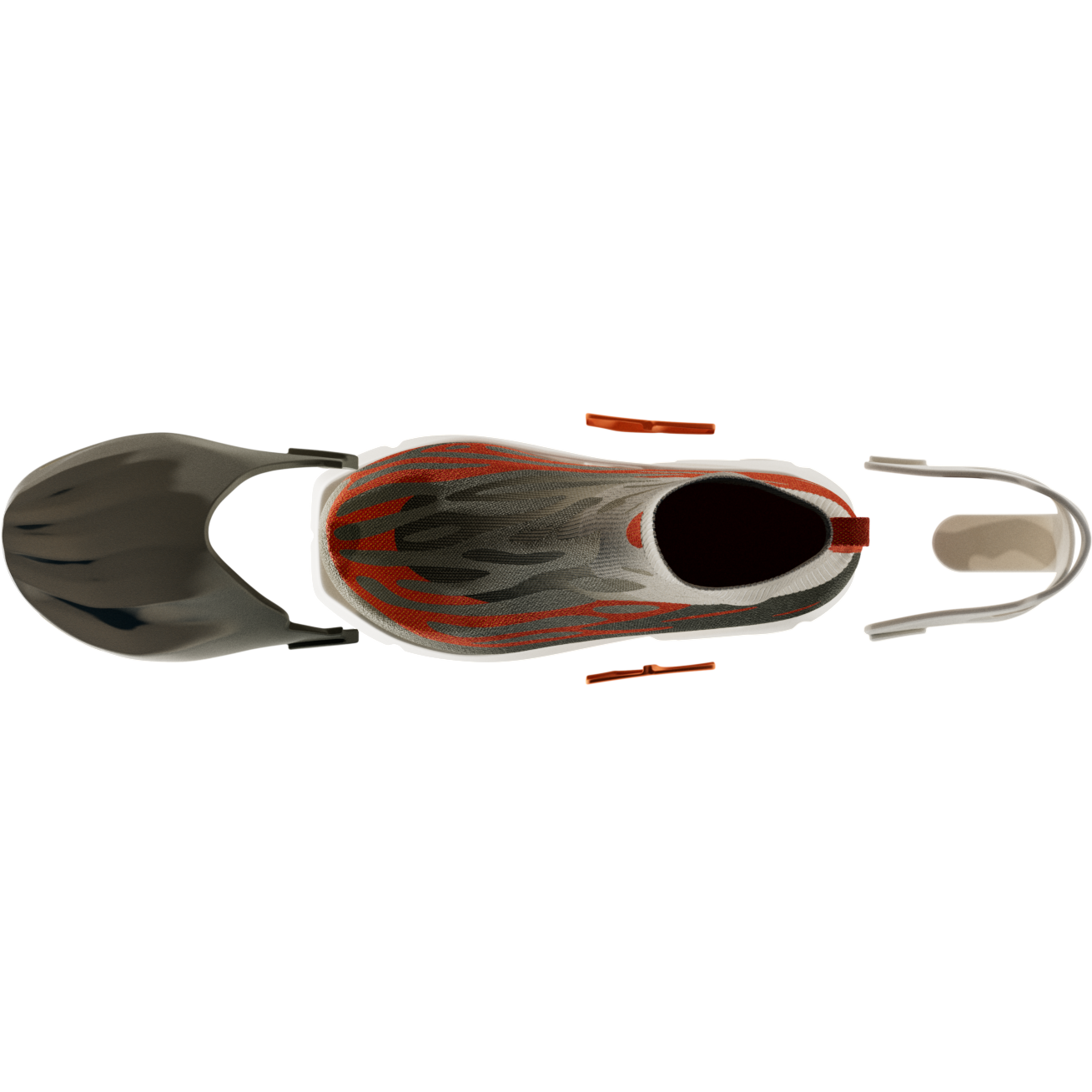
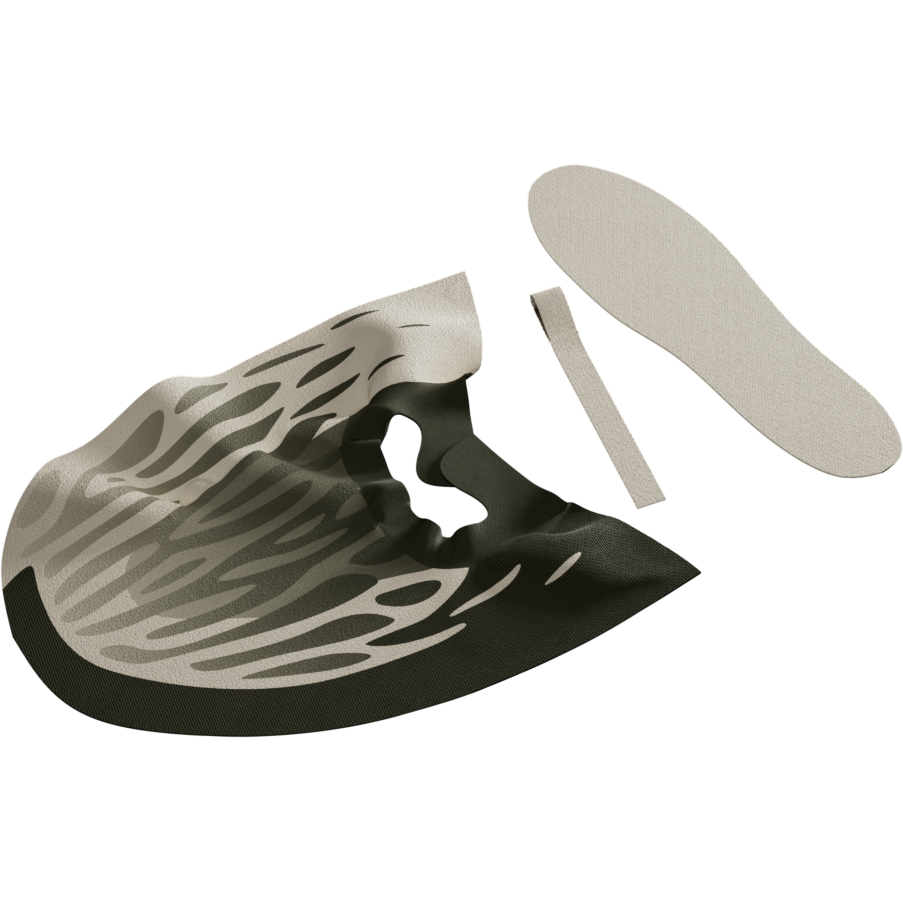
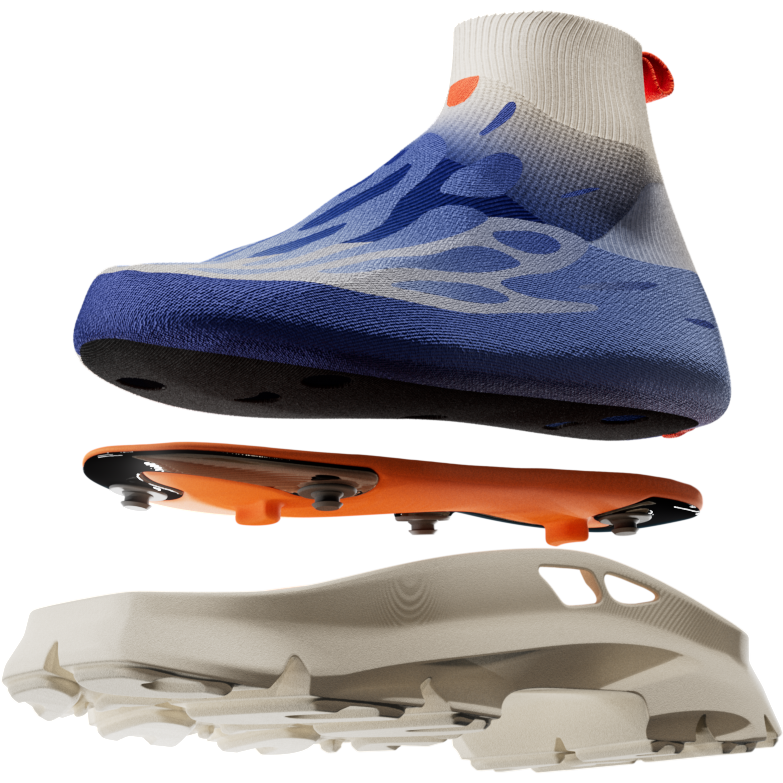
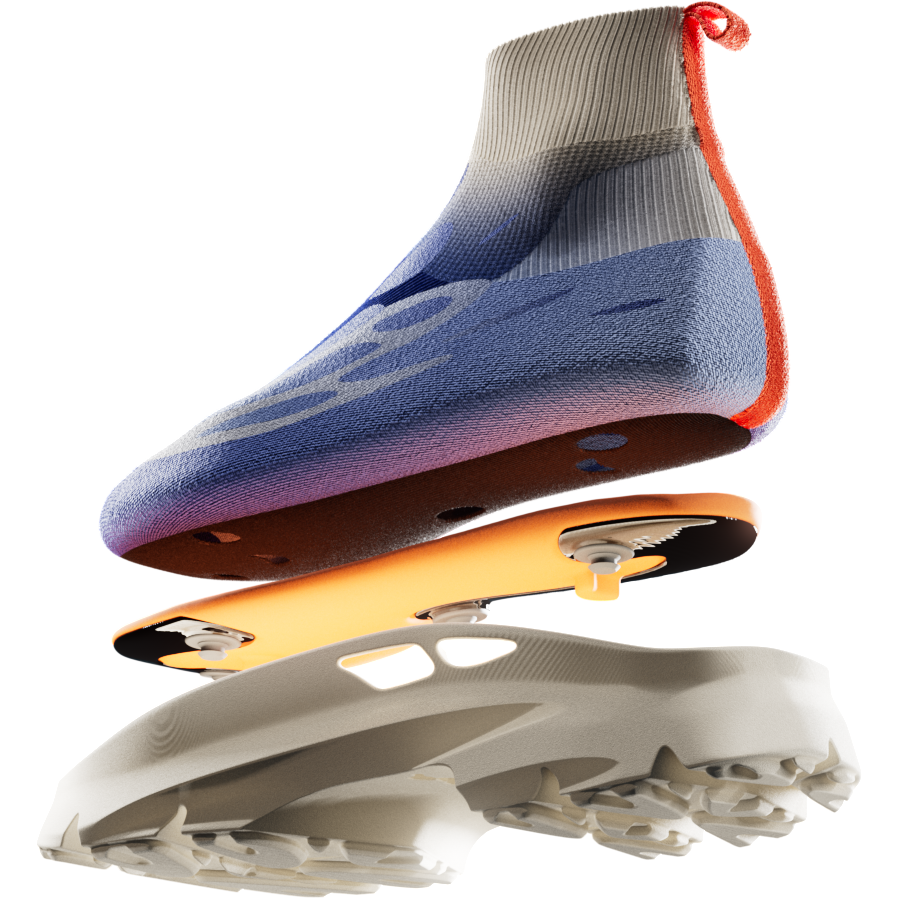
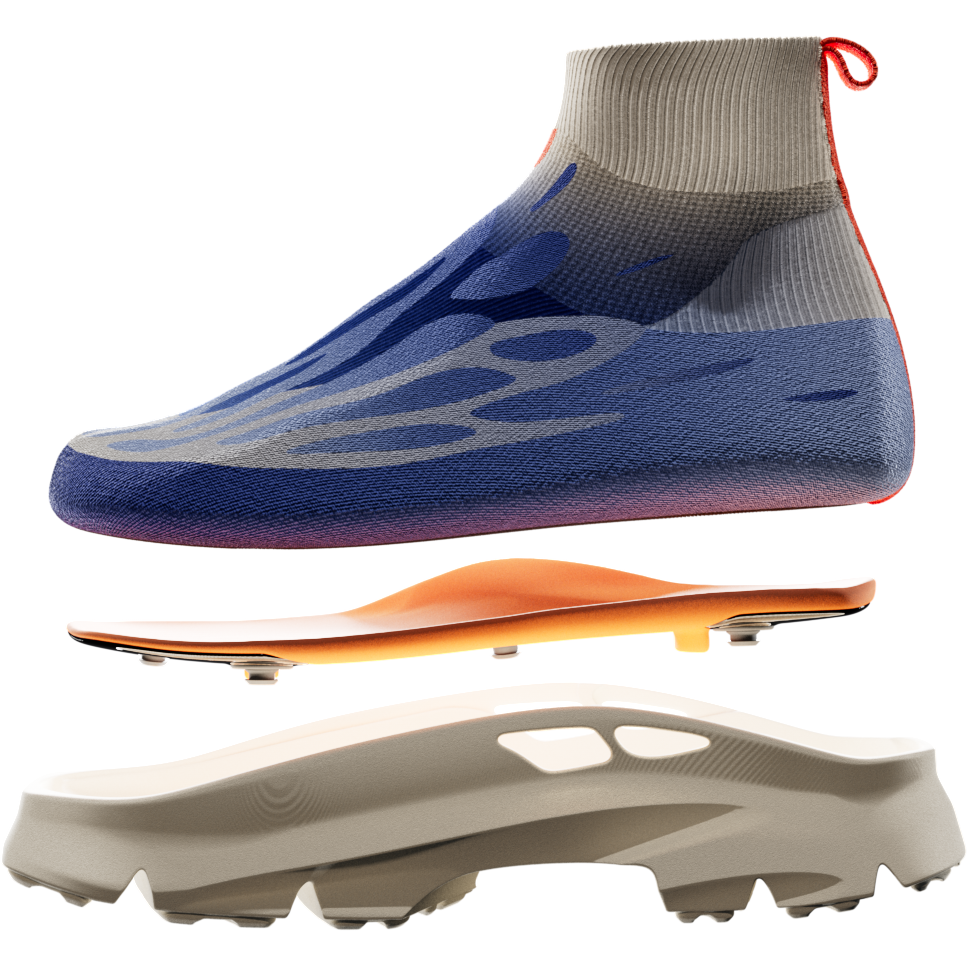
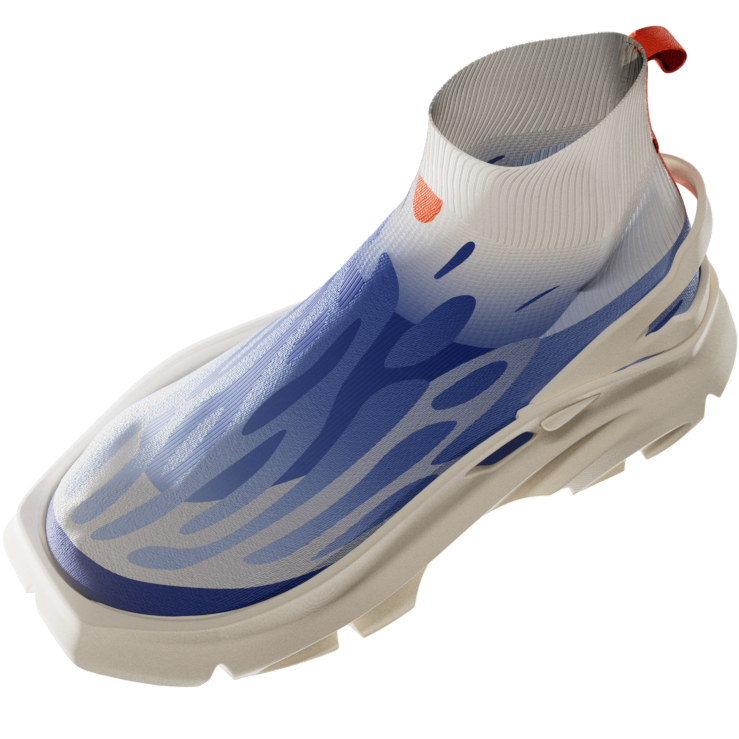
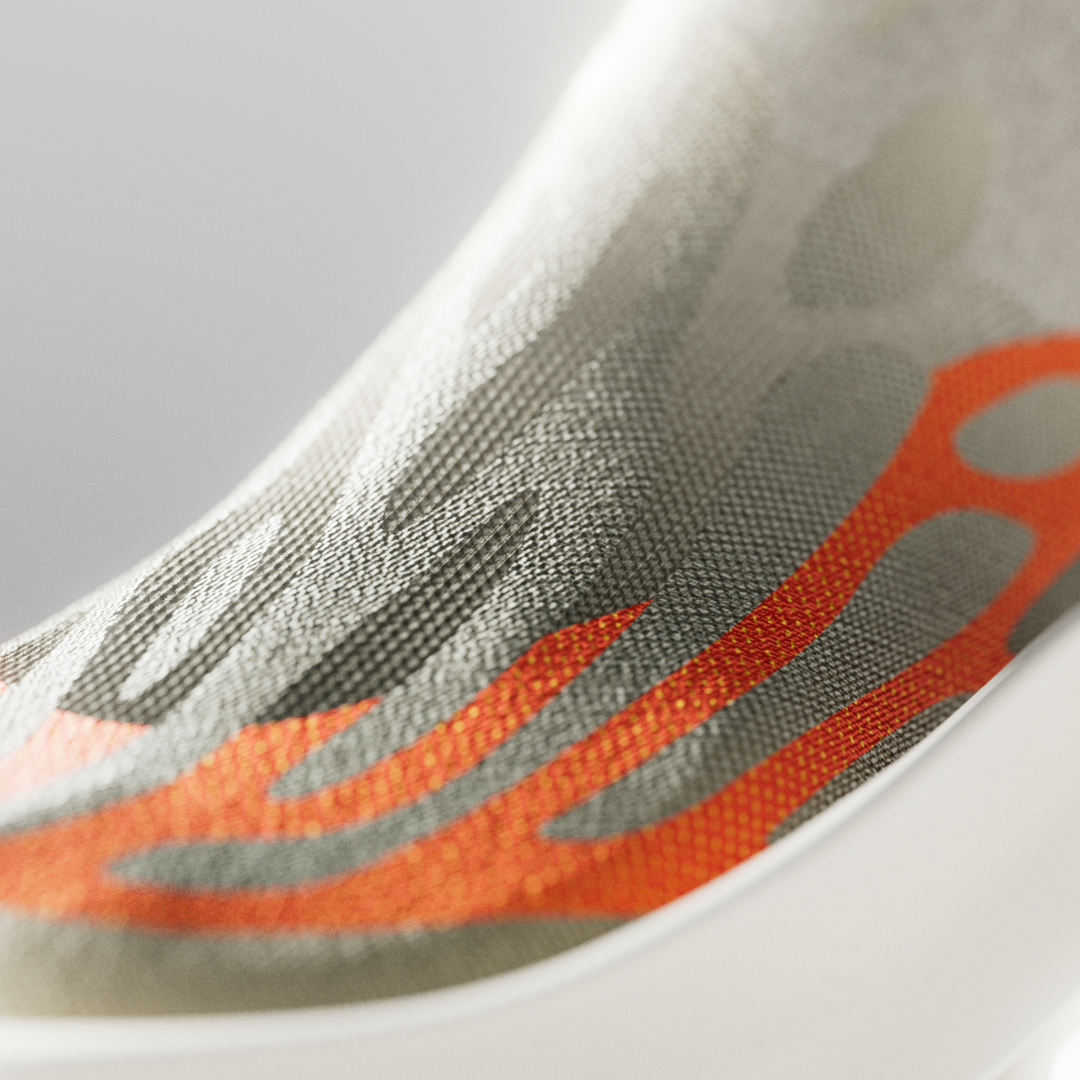
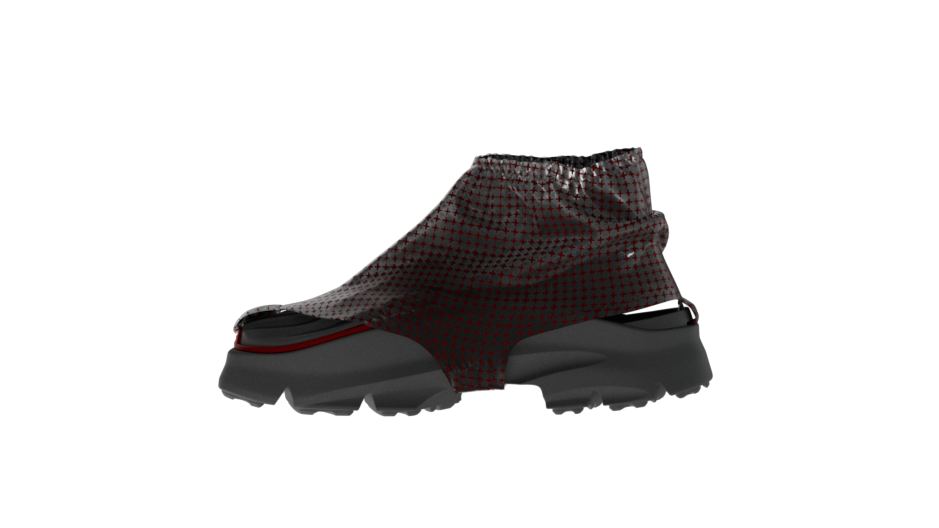
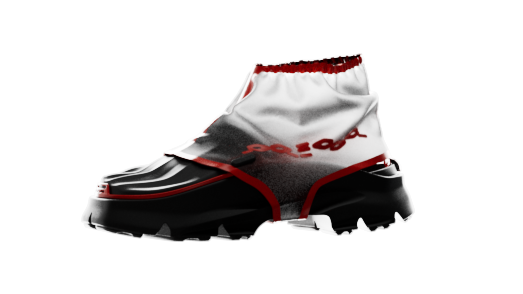
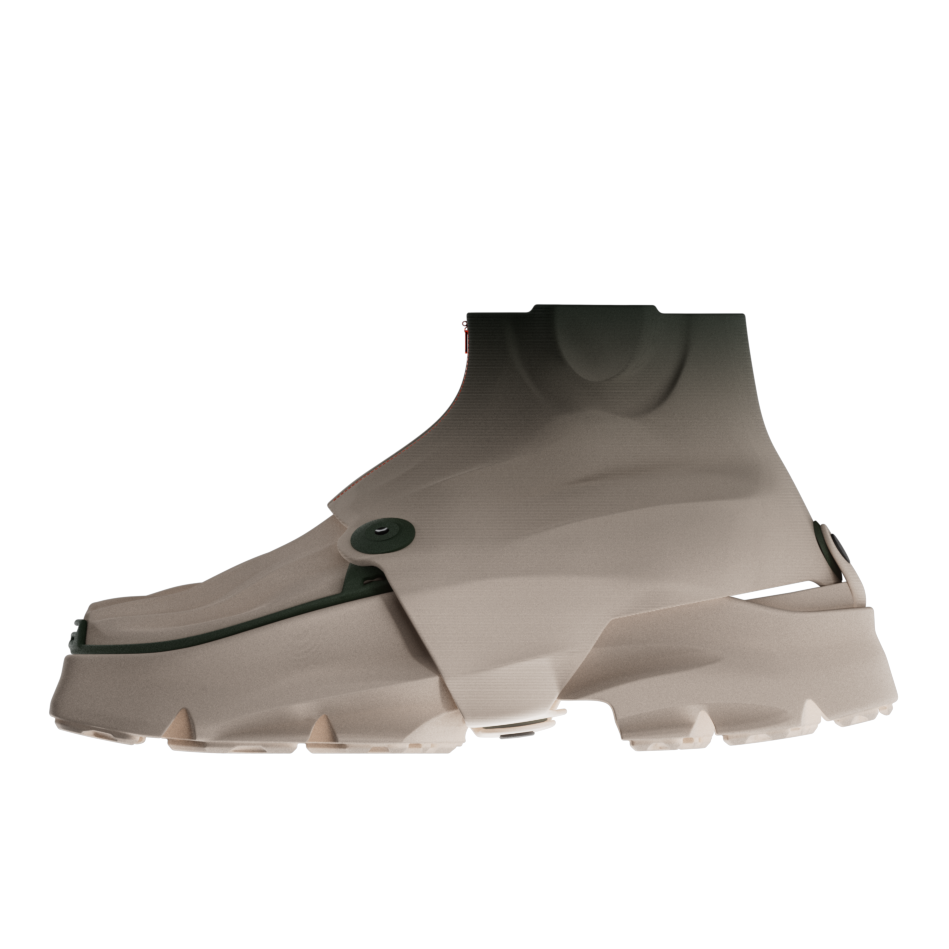
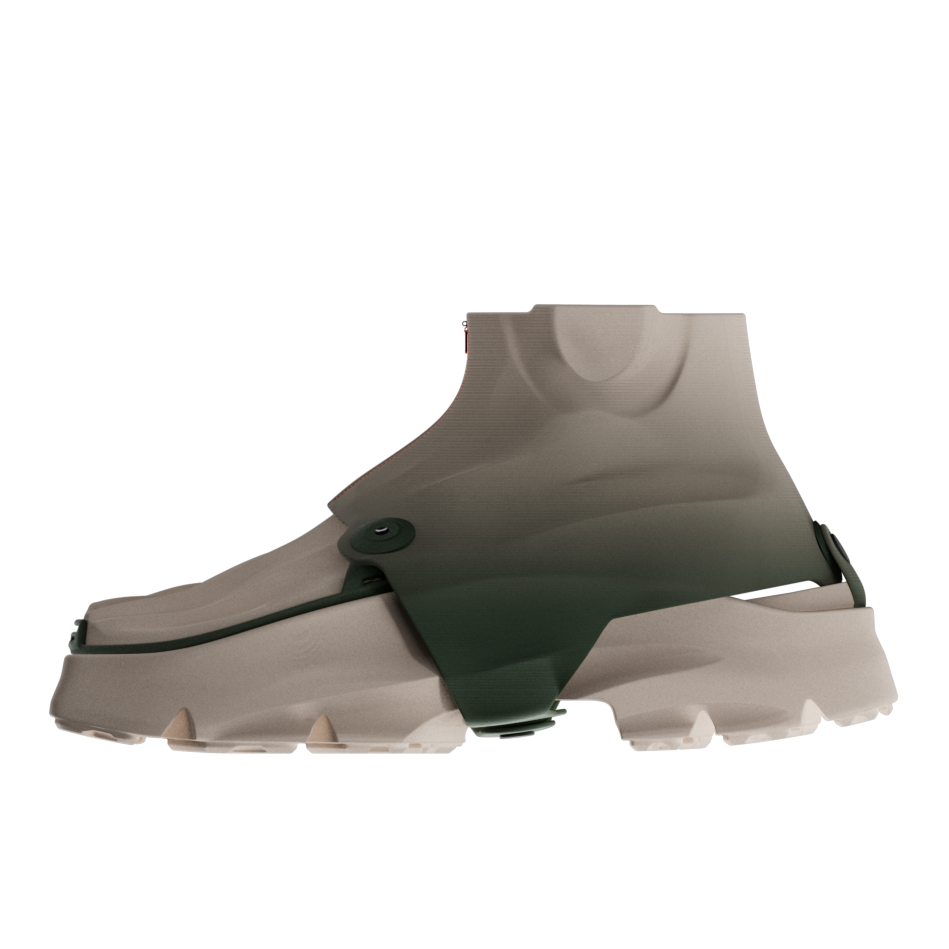
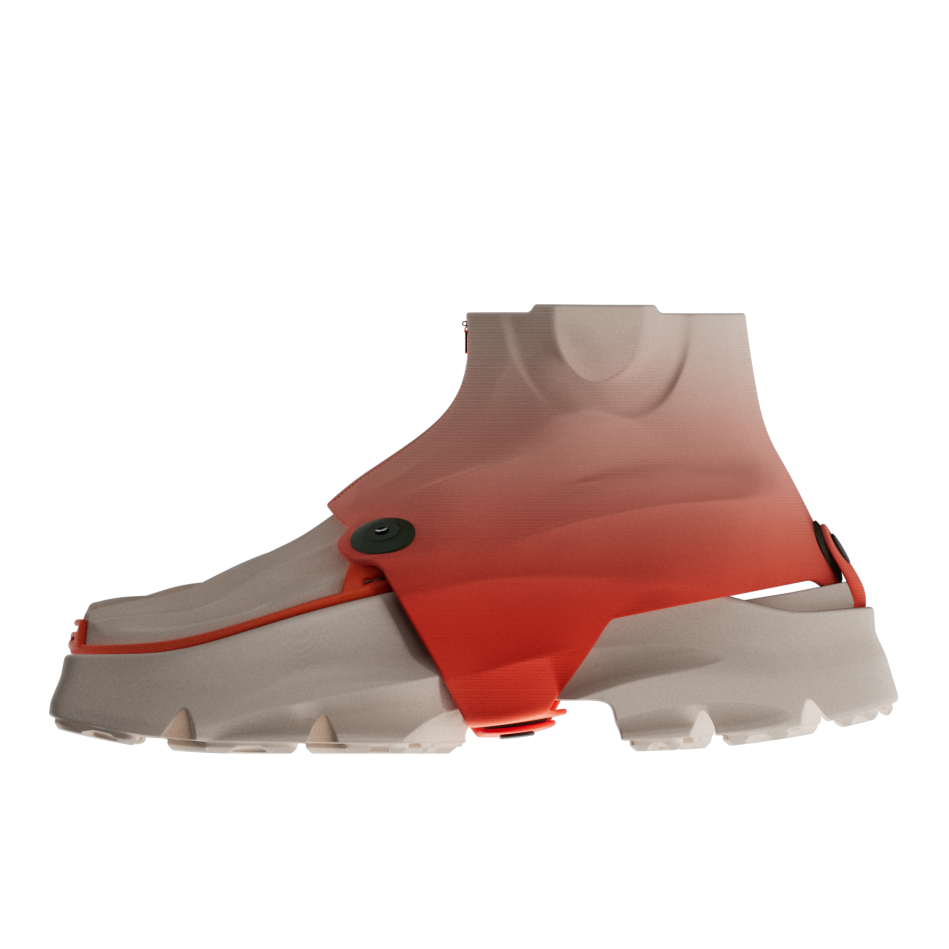
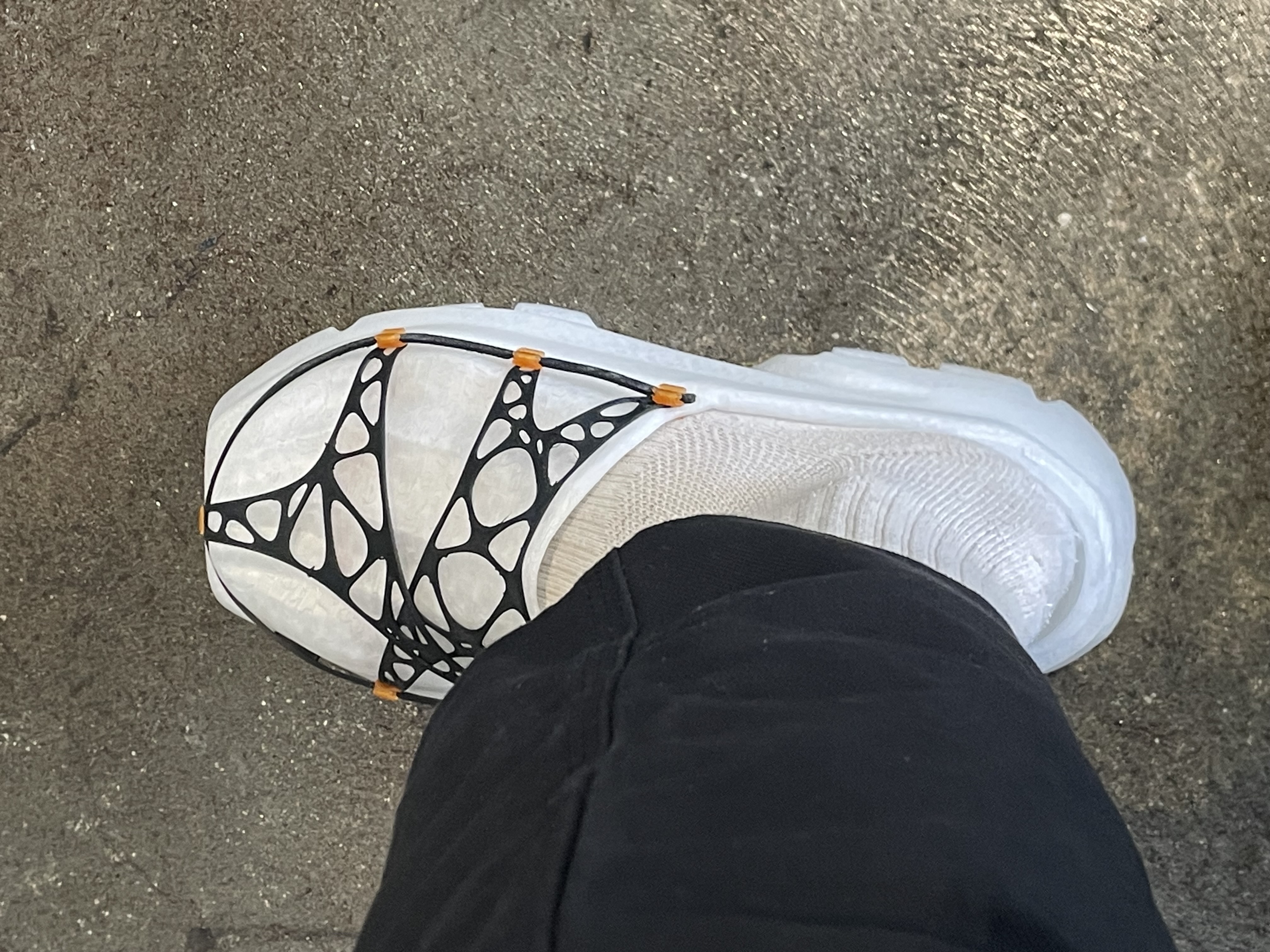
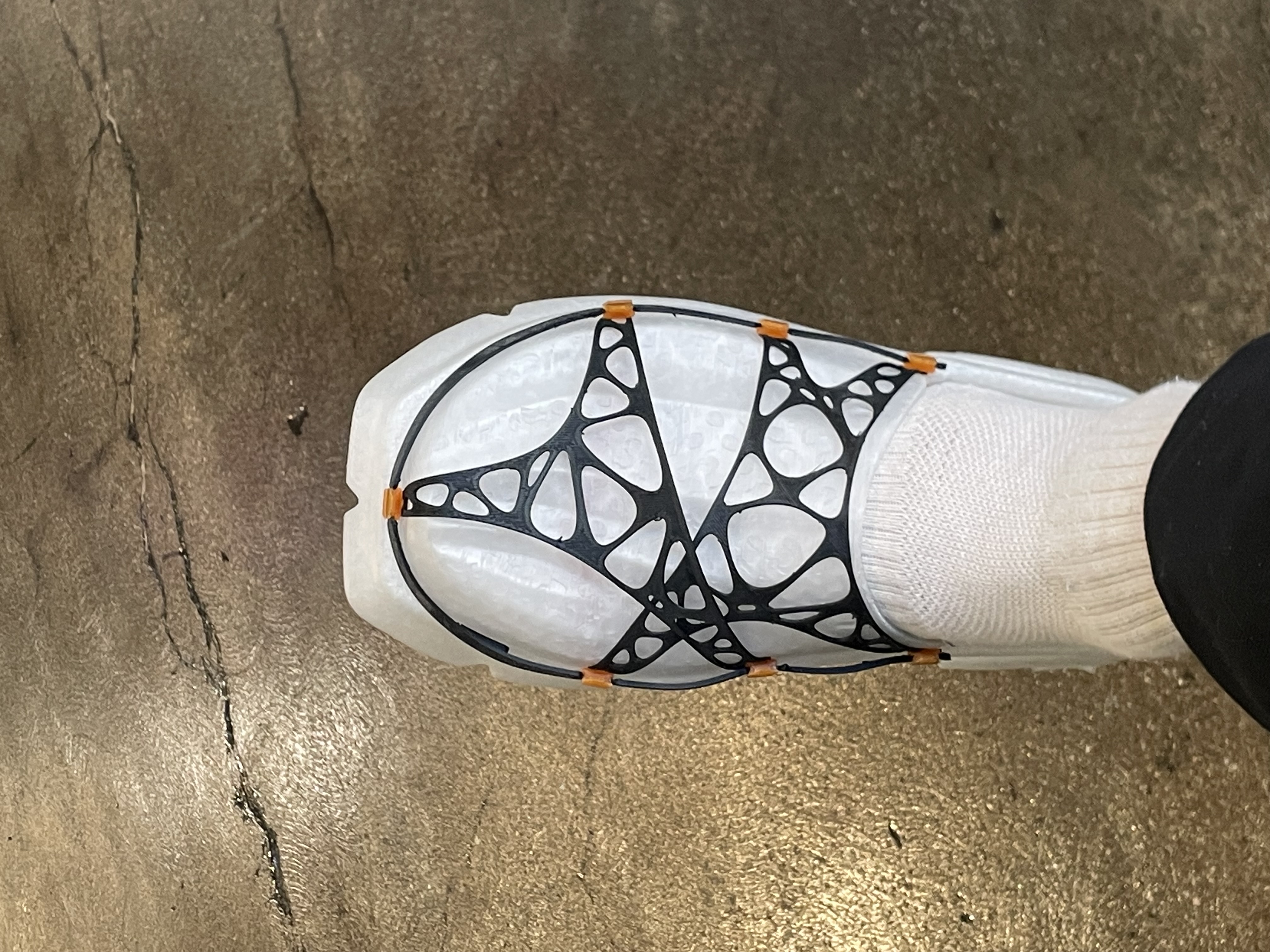
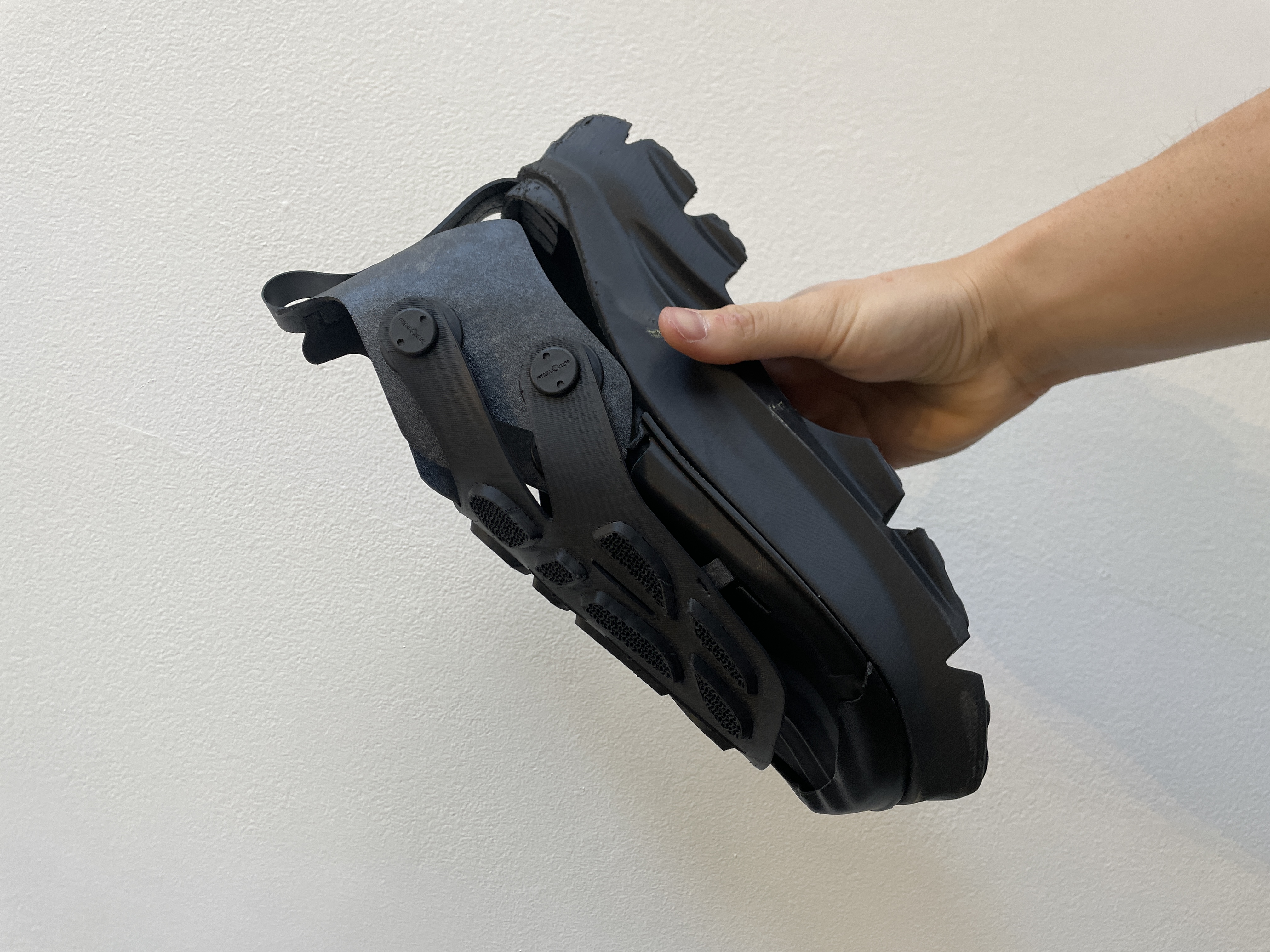
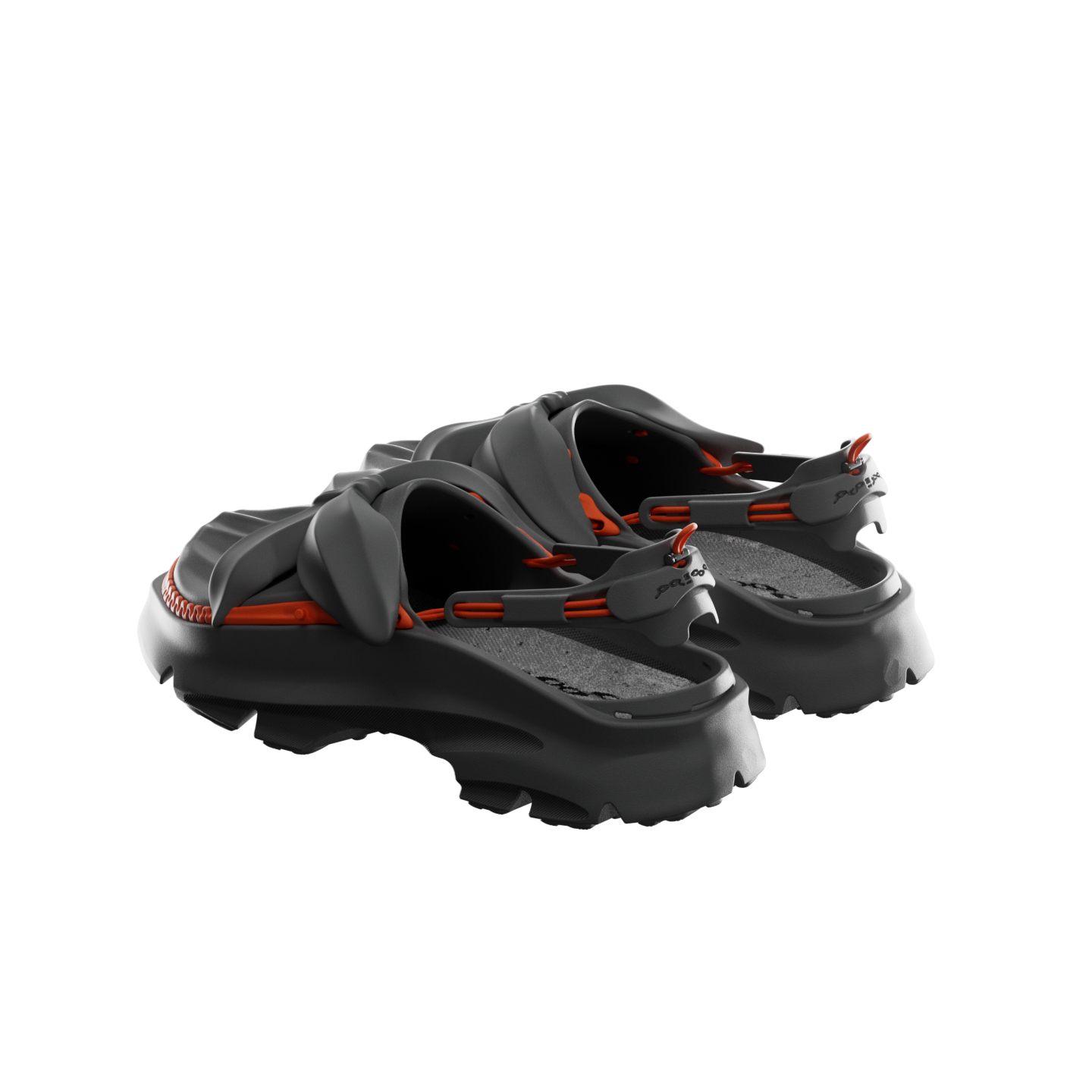
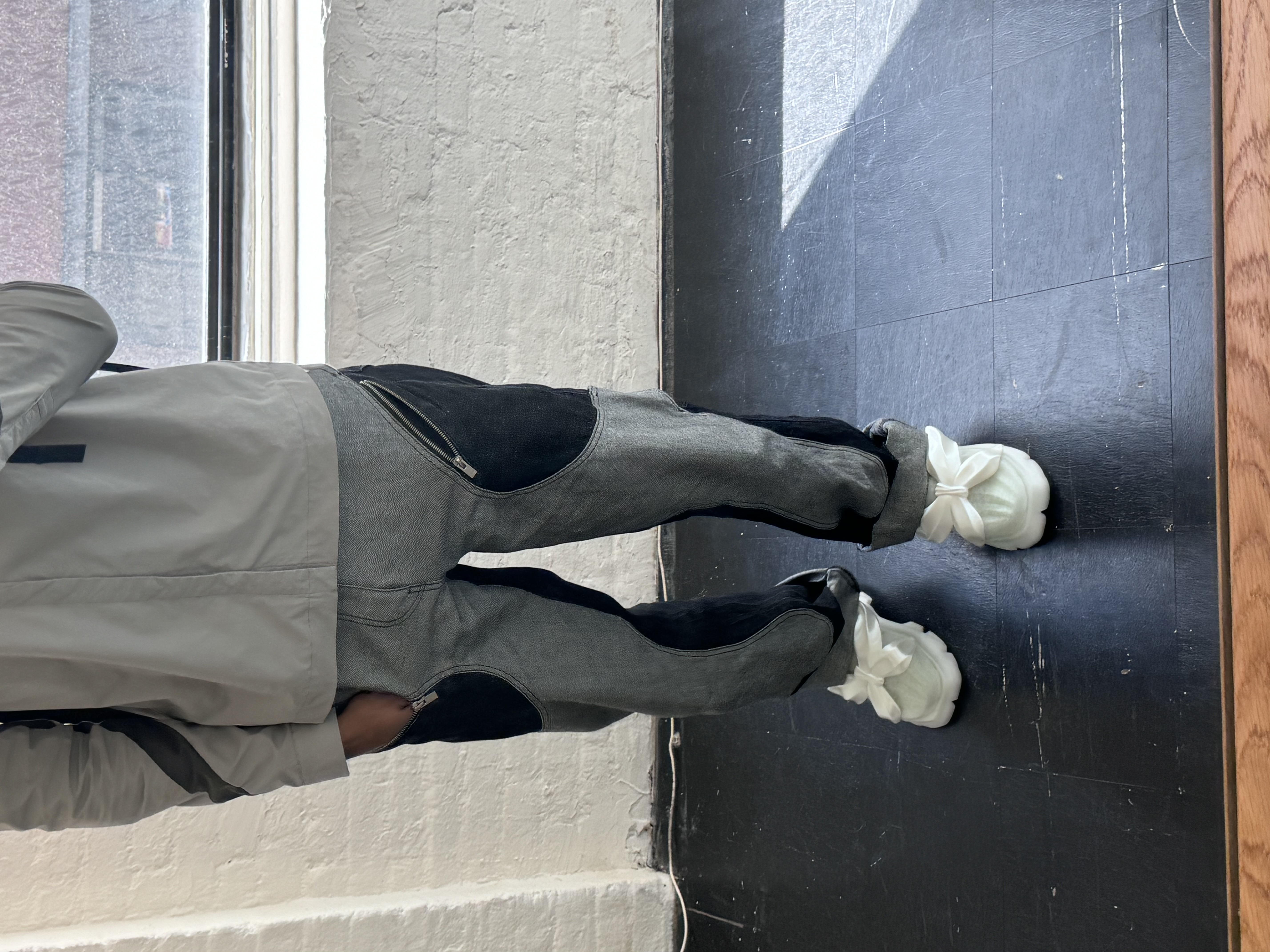
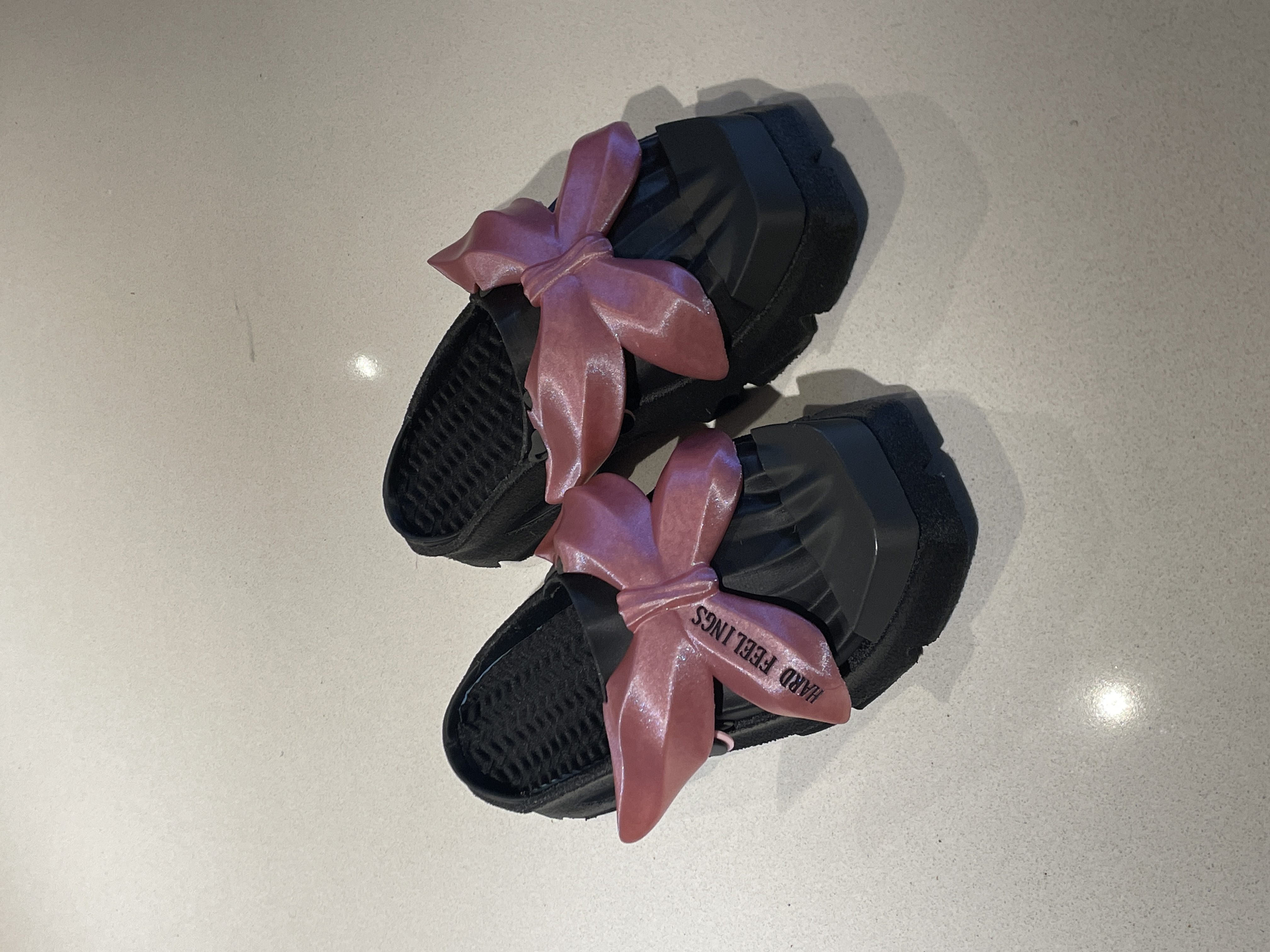
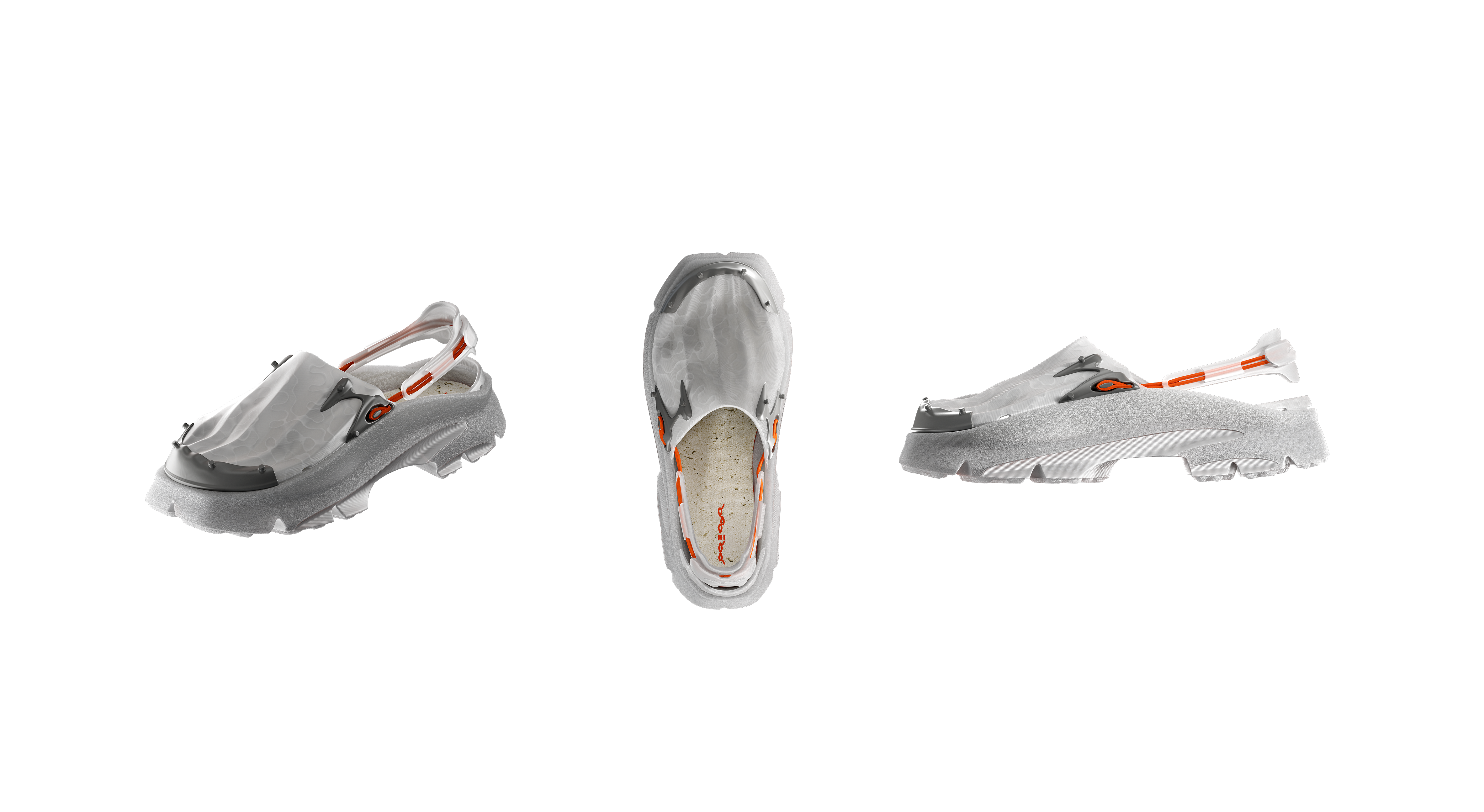
with the modular system, users could switch out modules at will. knit socks, heel straps, different colors or materials; the system allowed for all forms of expression.
realization of design:
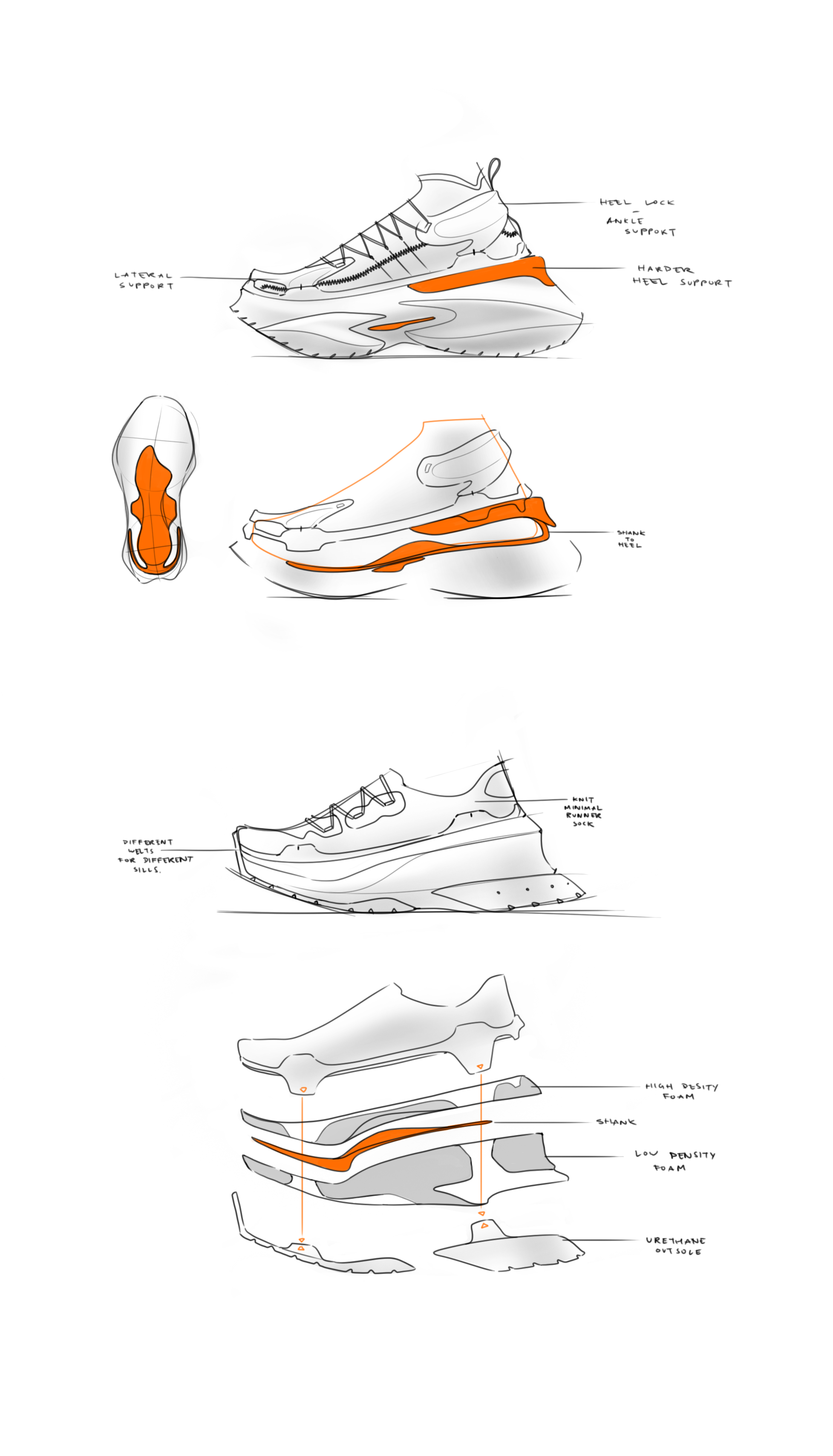
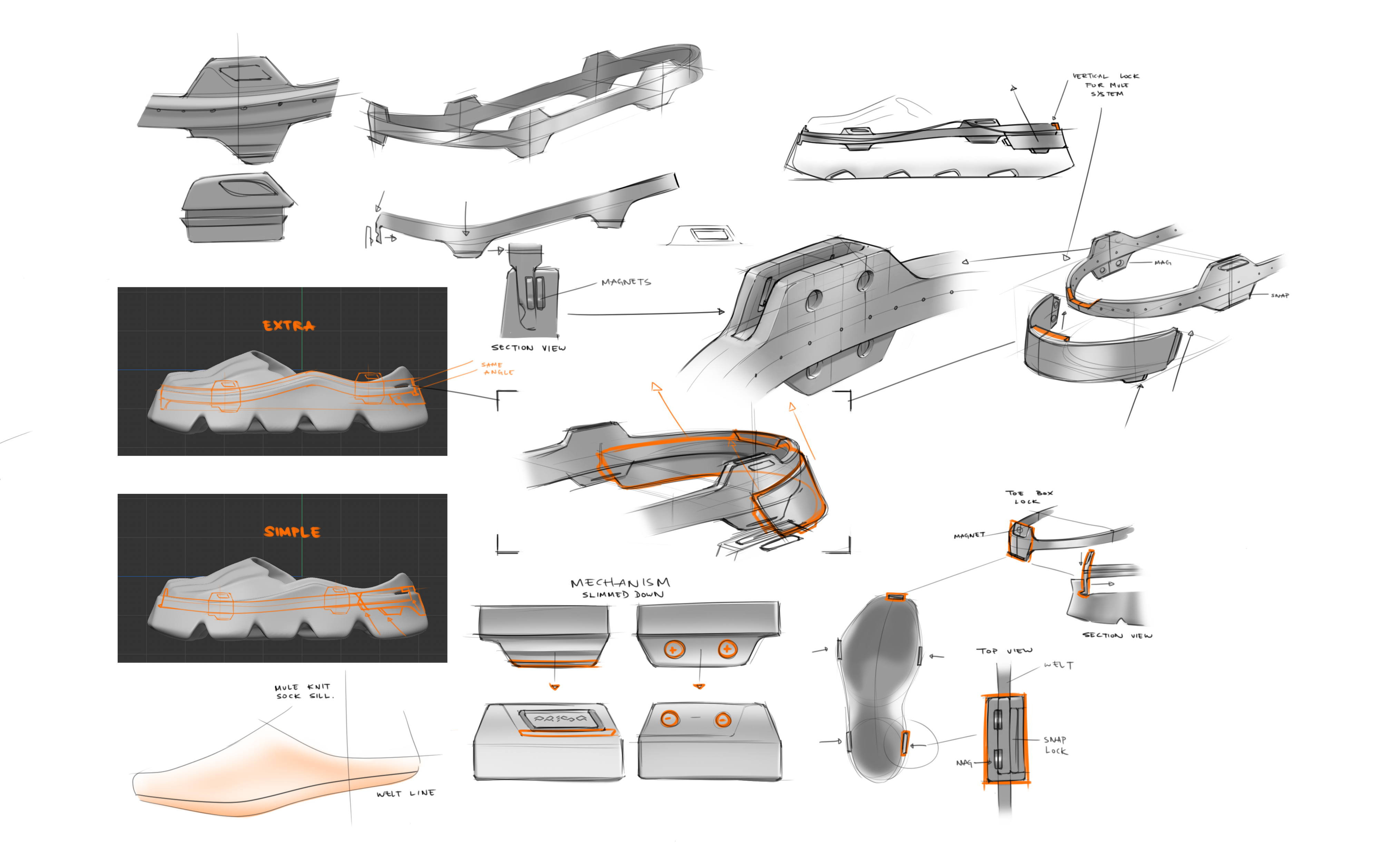
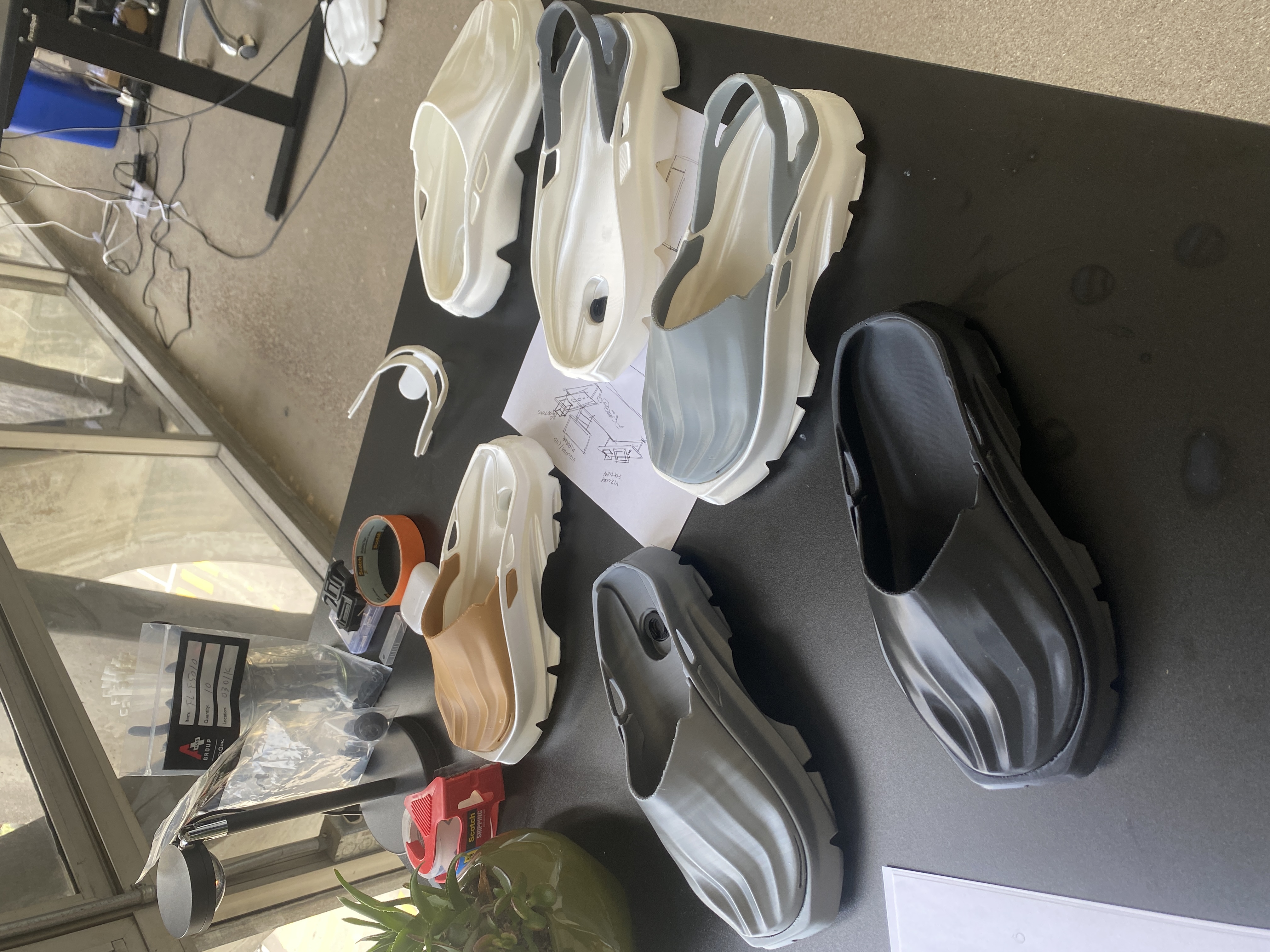
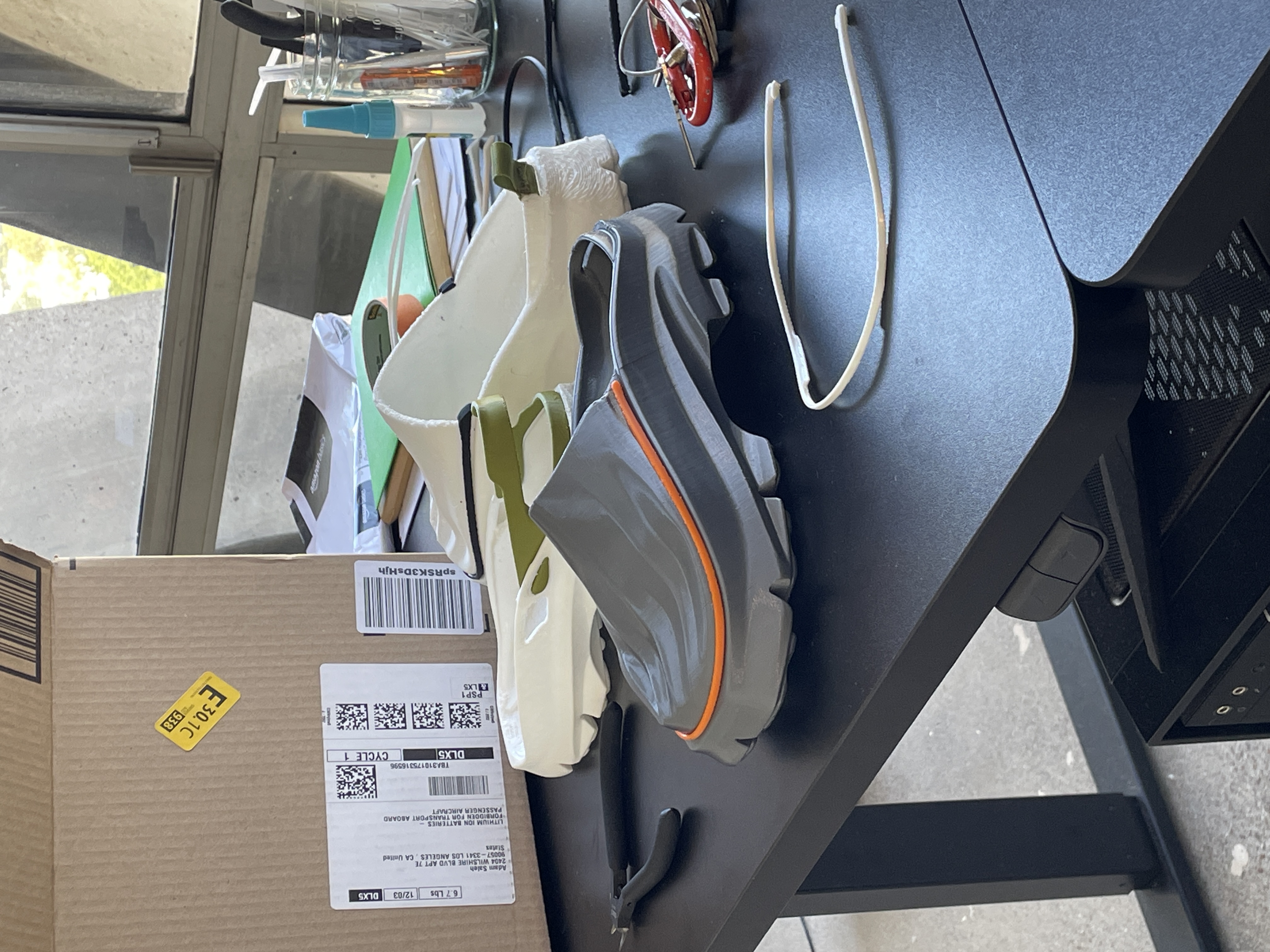
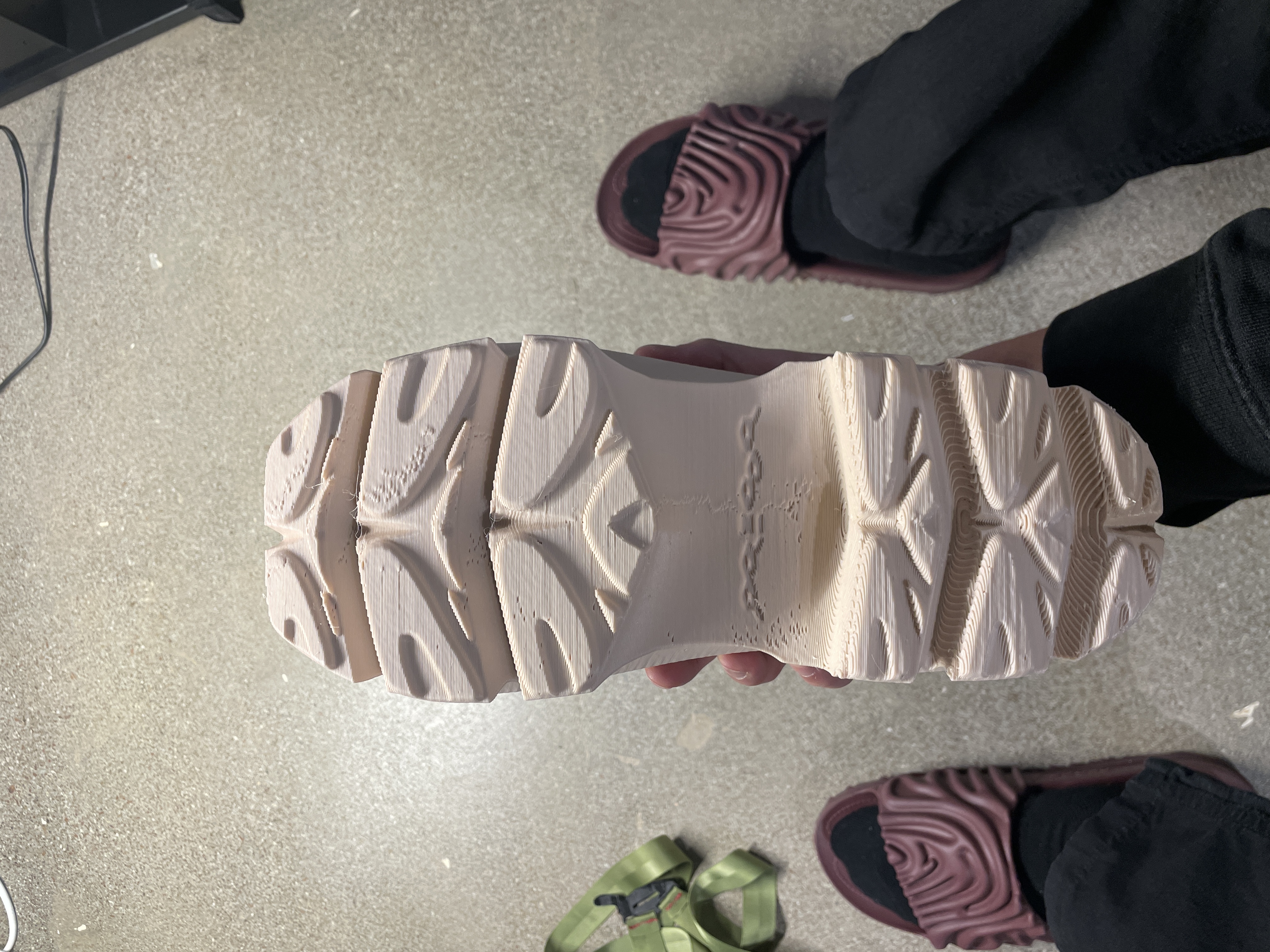
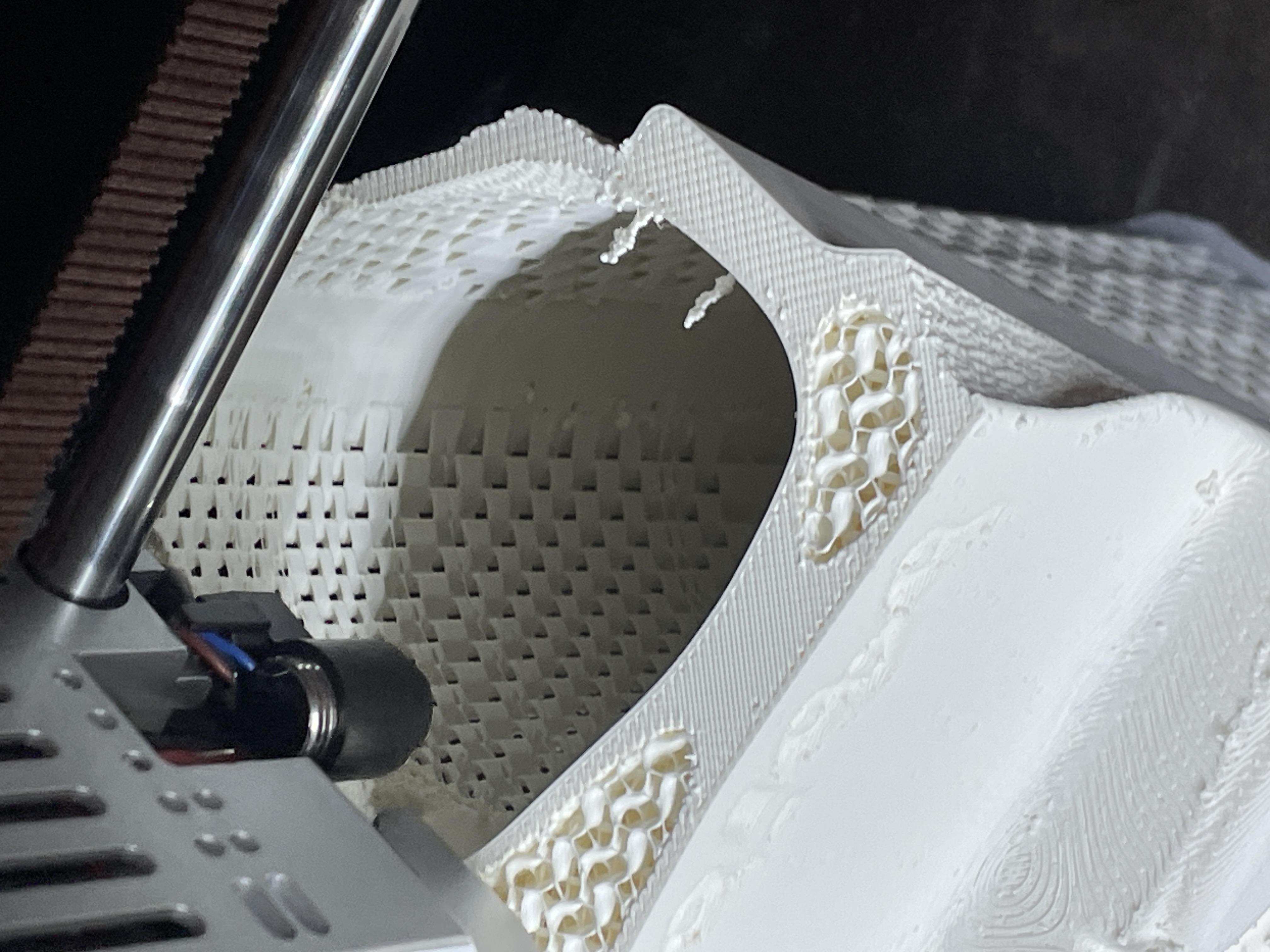
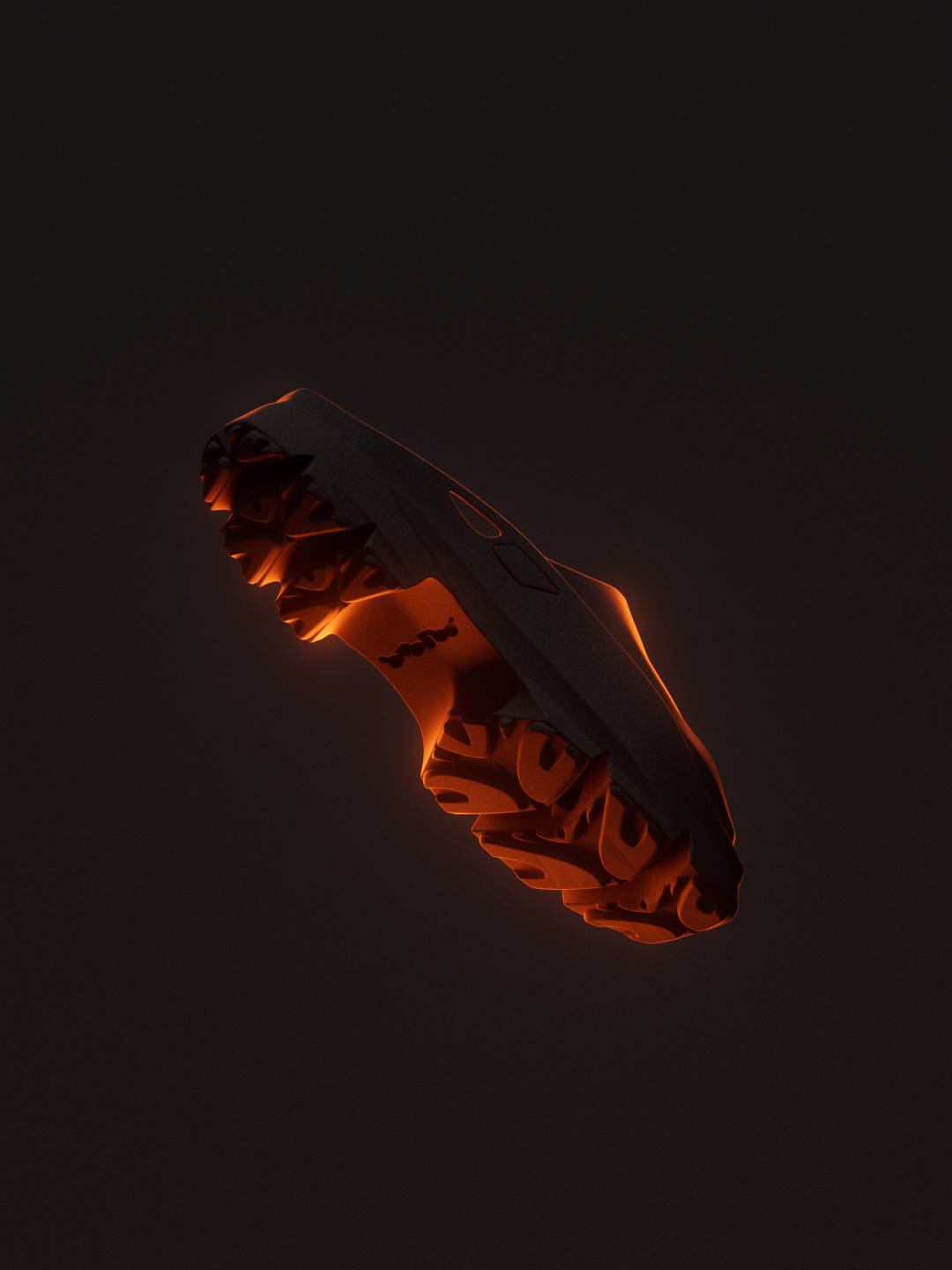
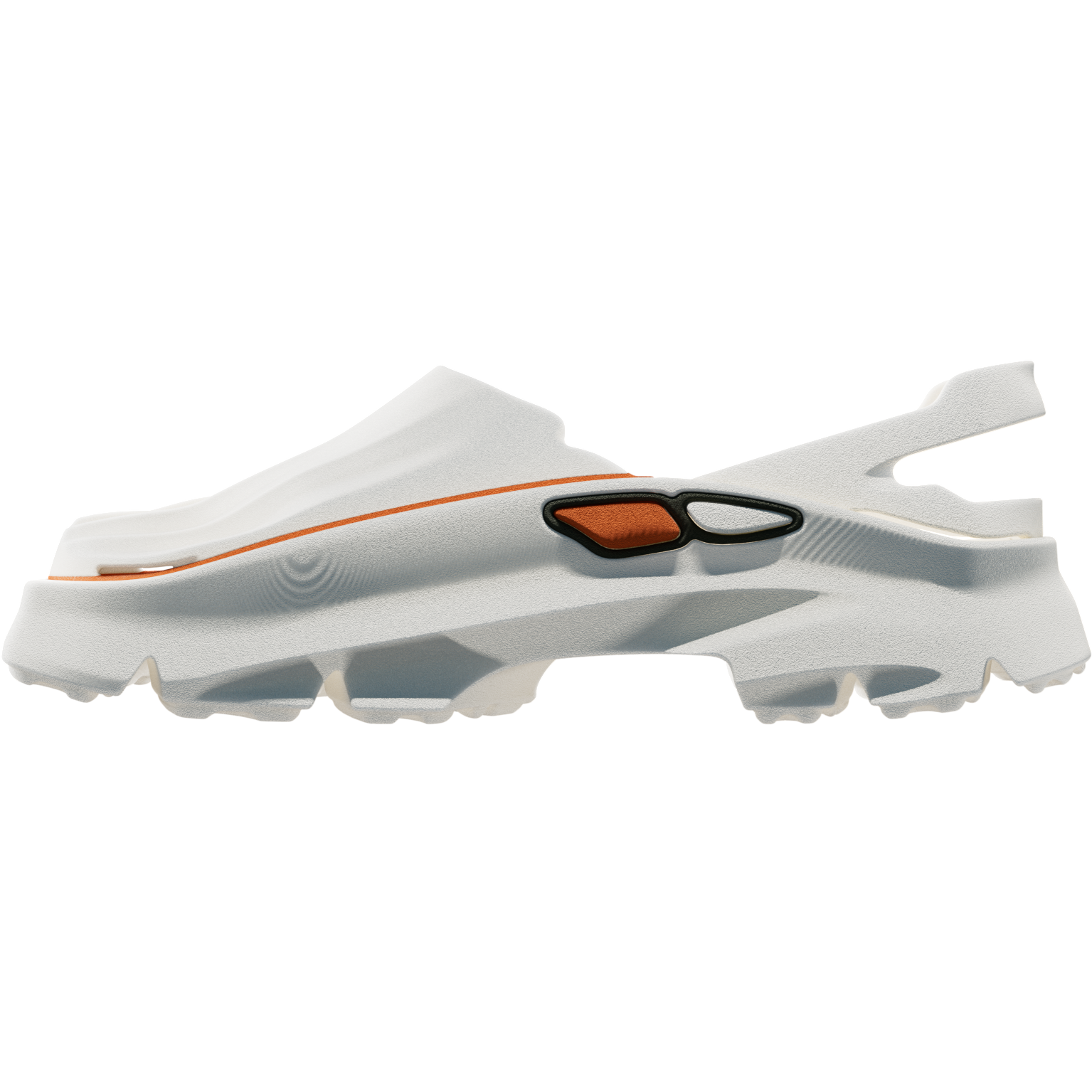
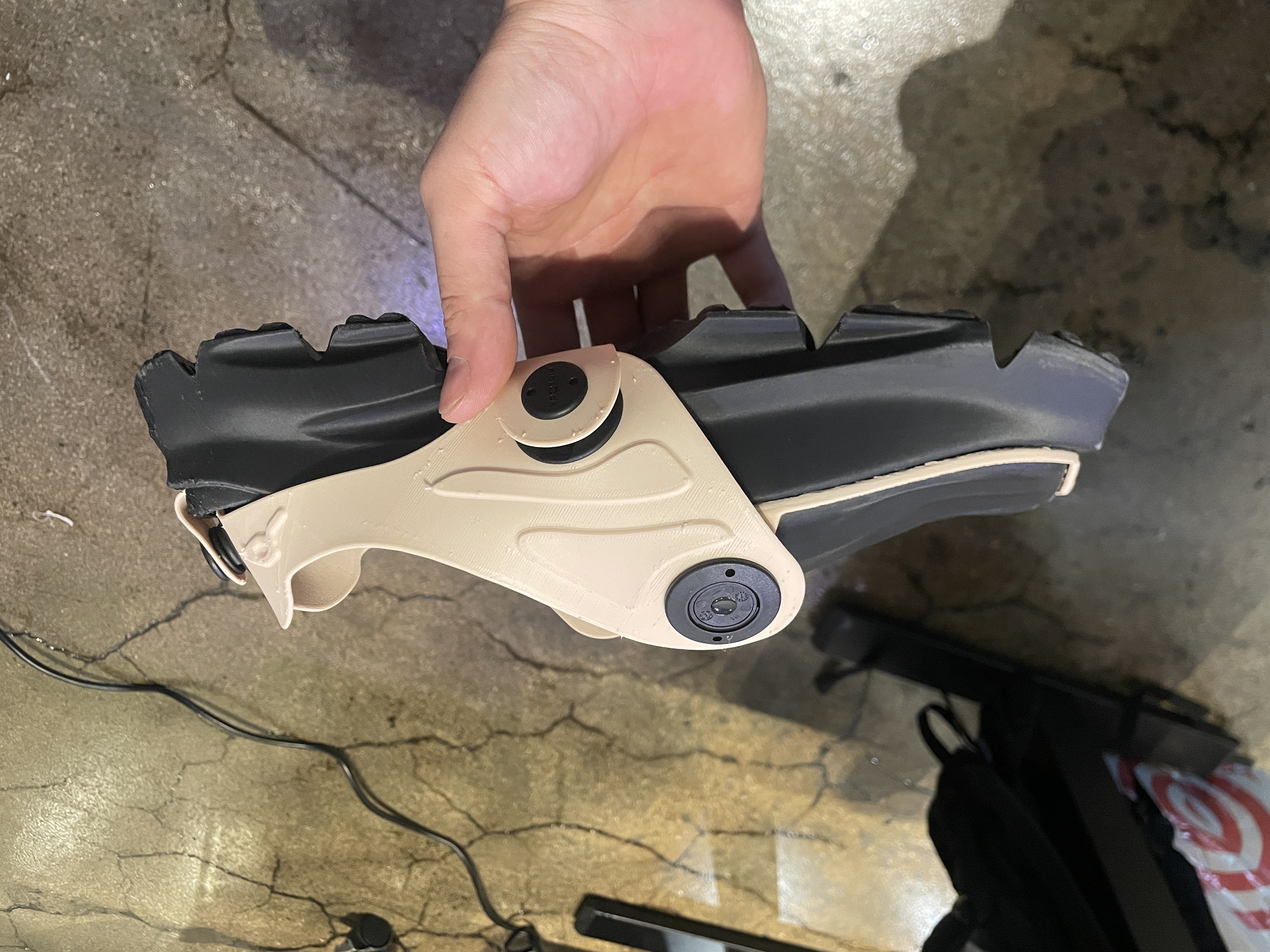
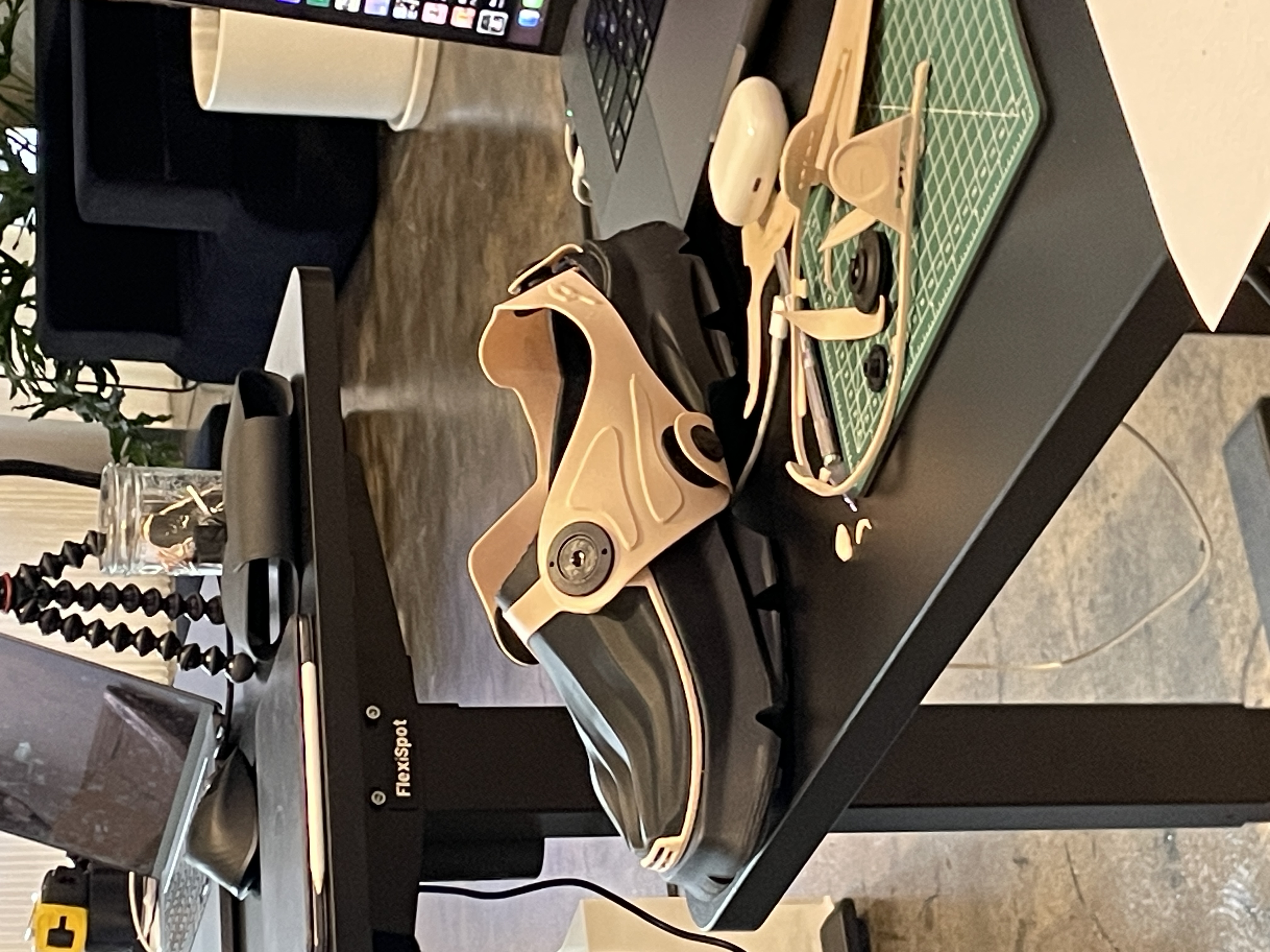
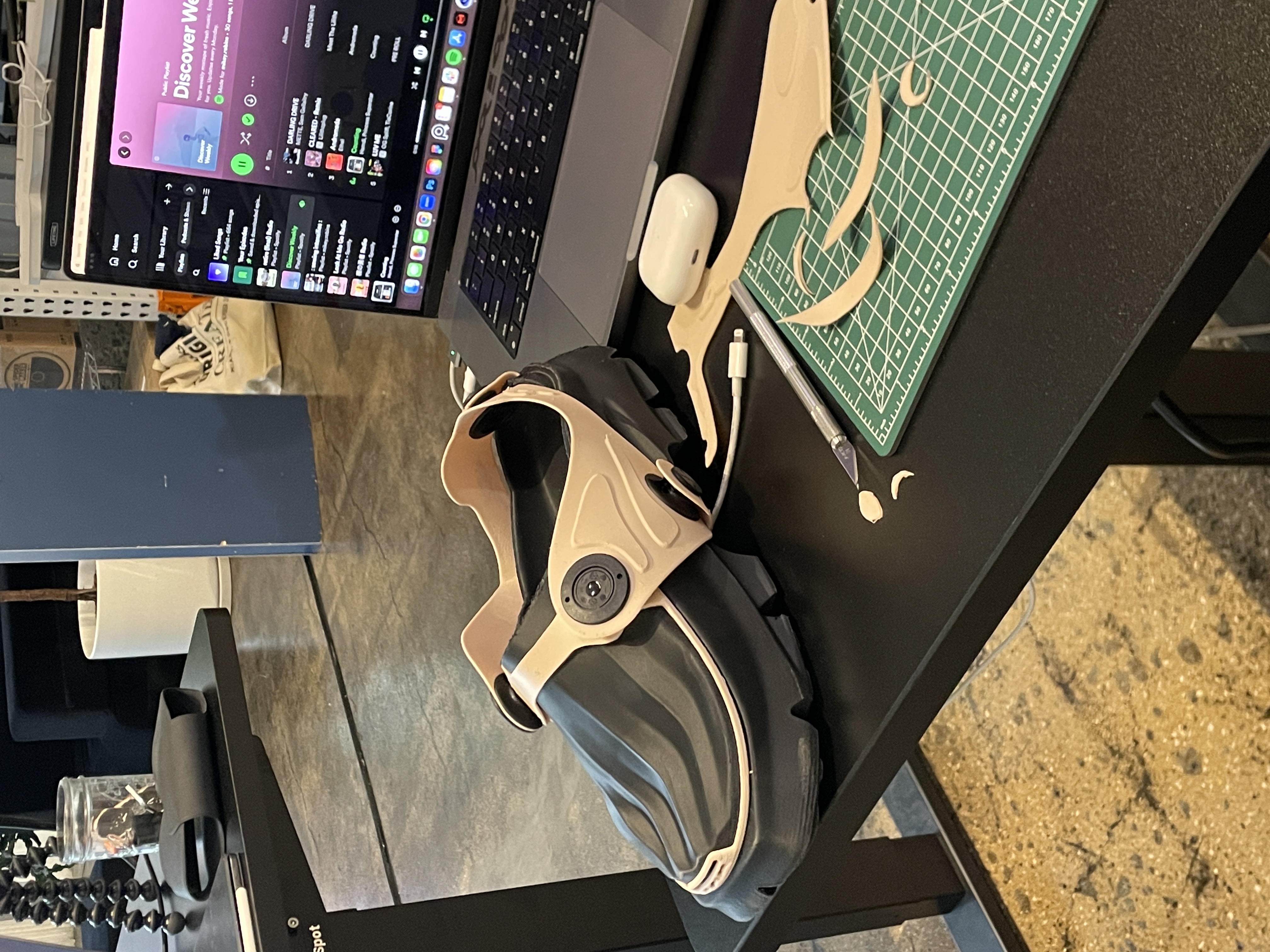
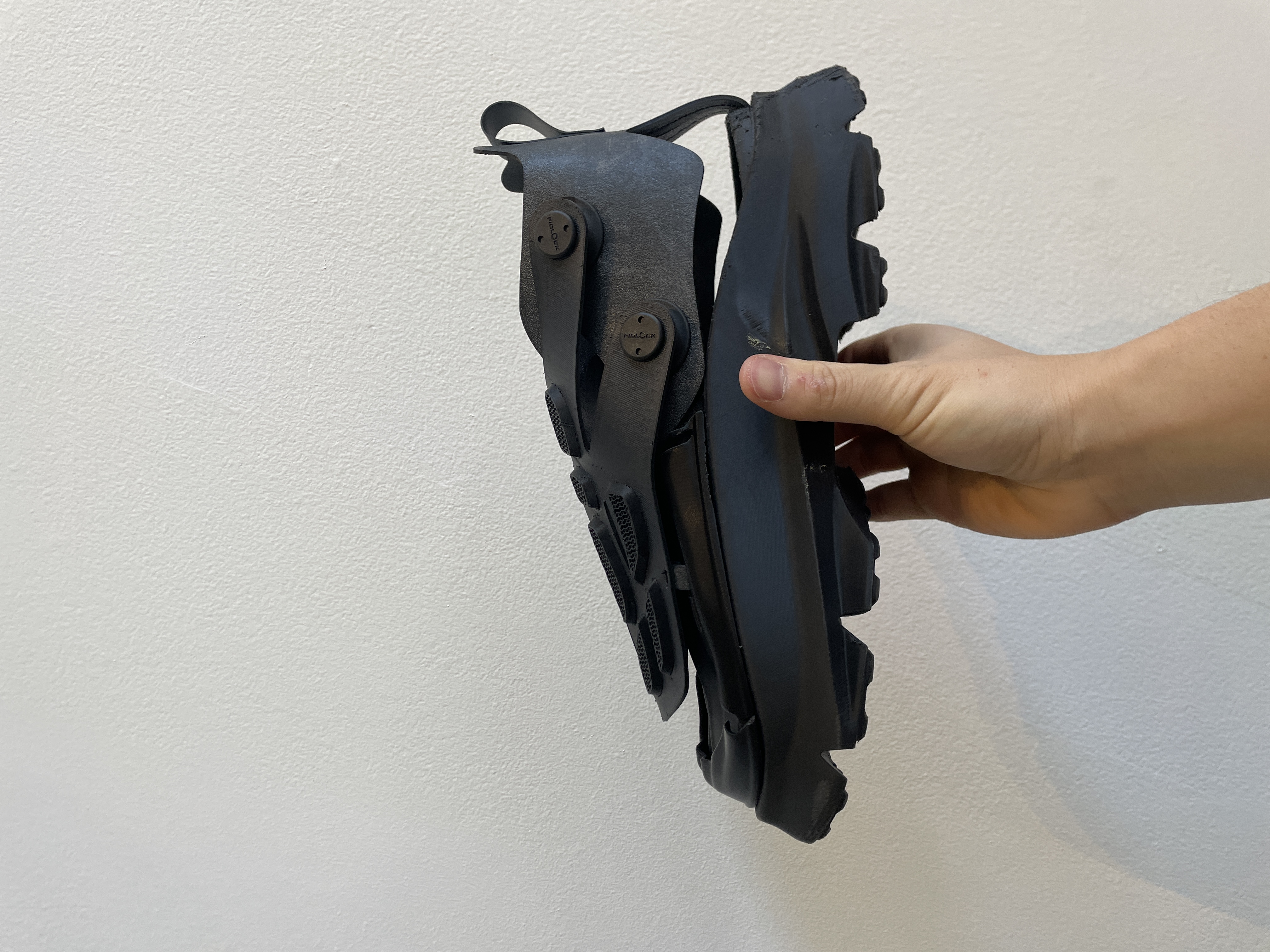
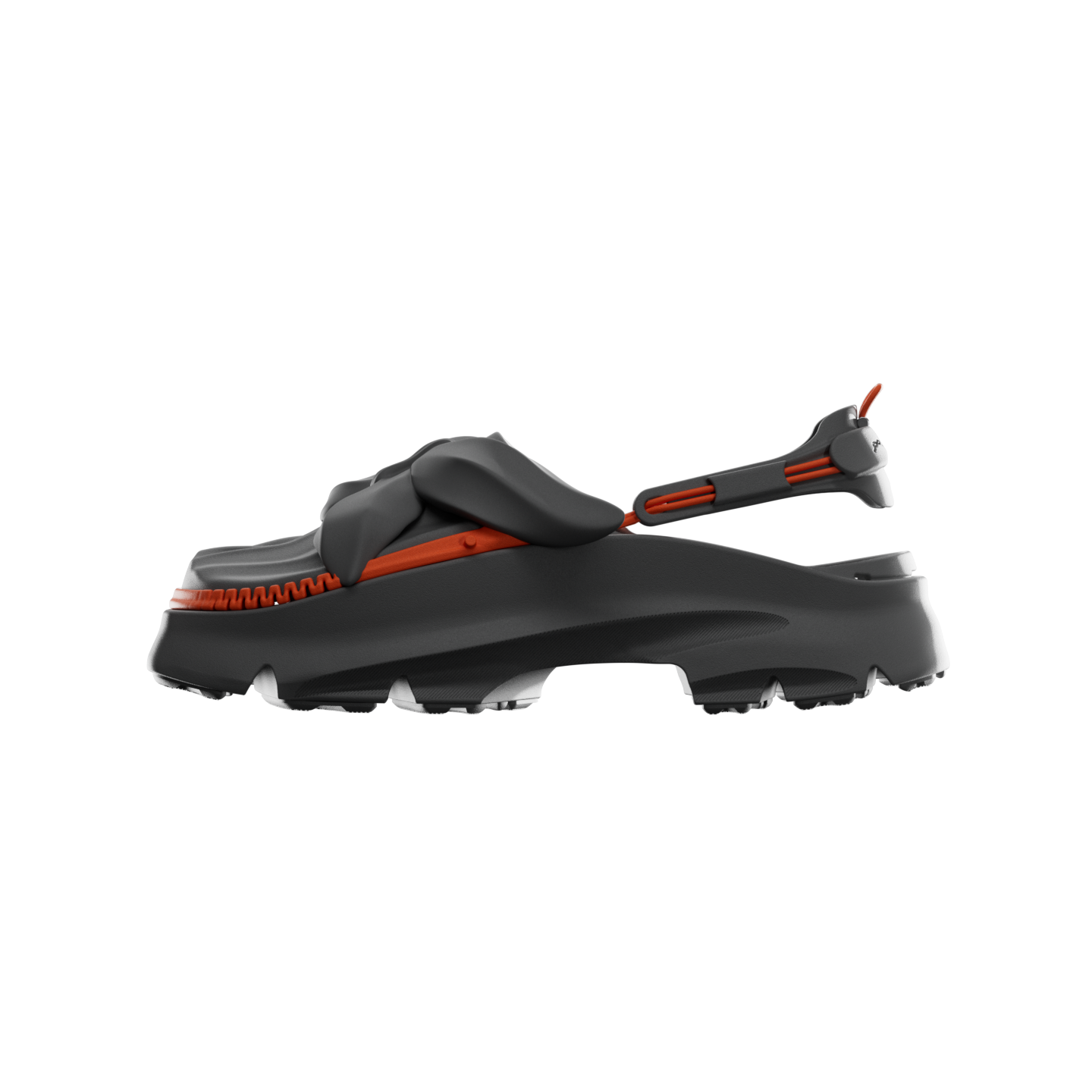
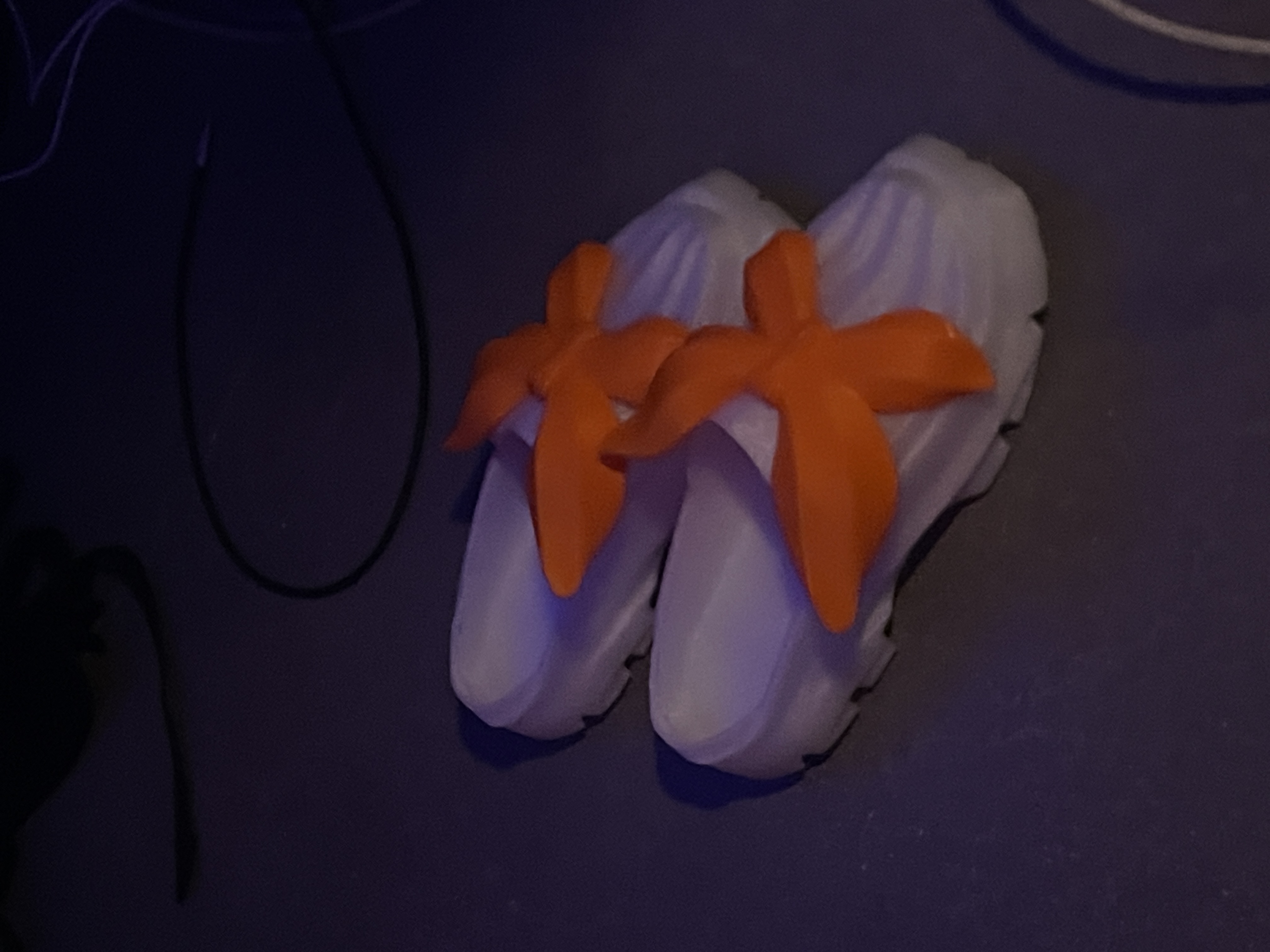
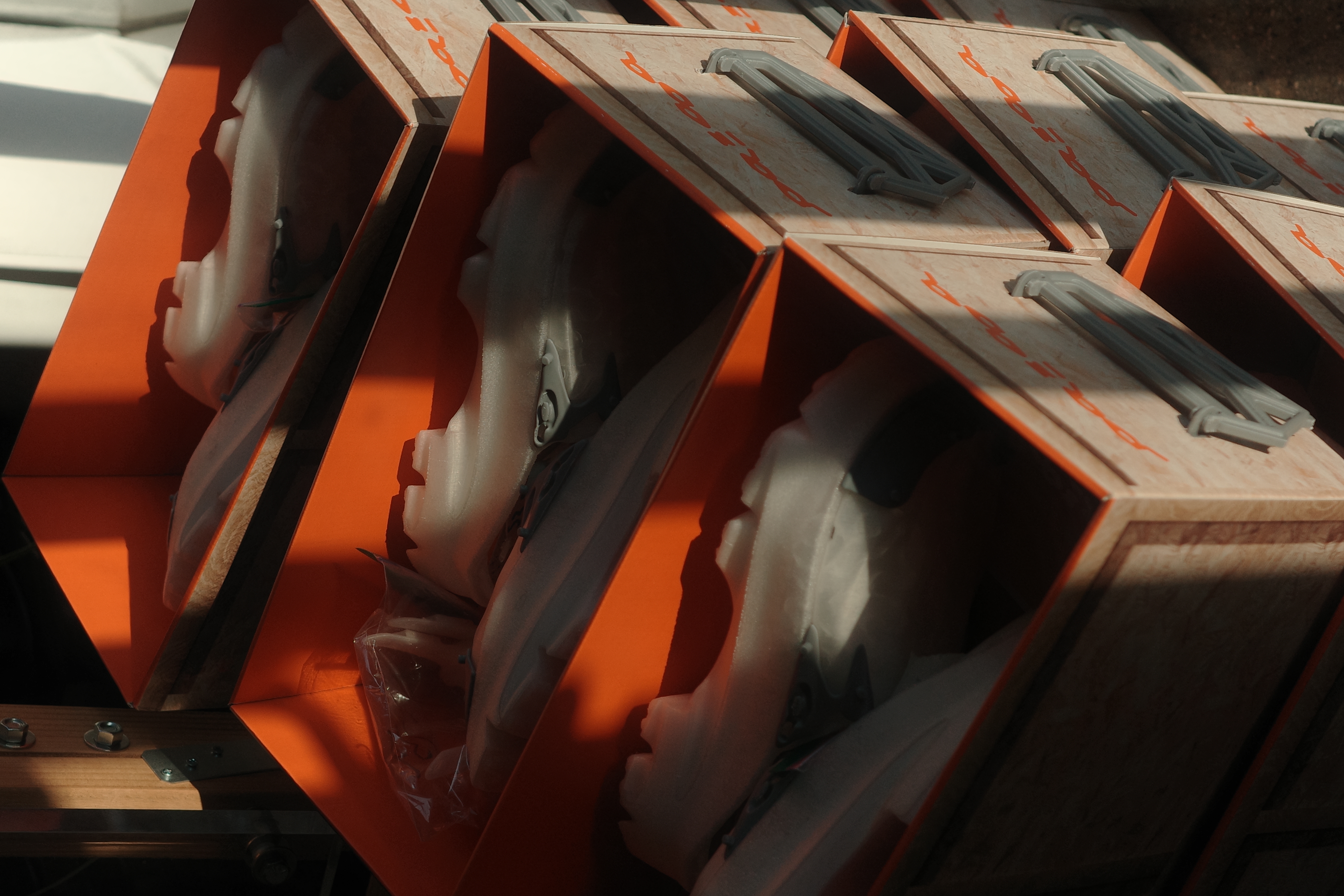
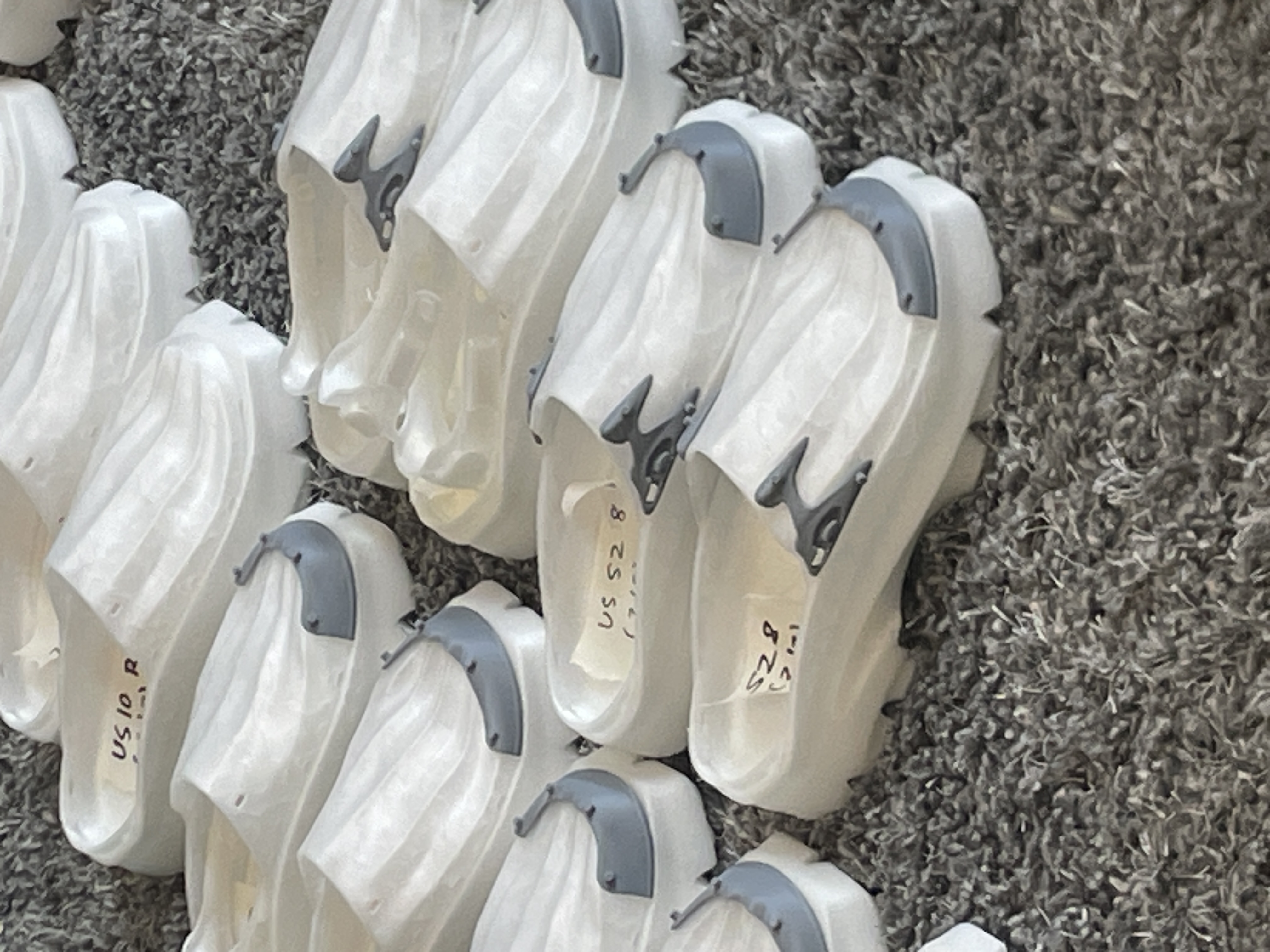
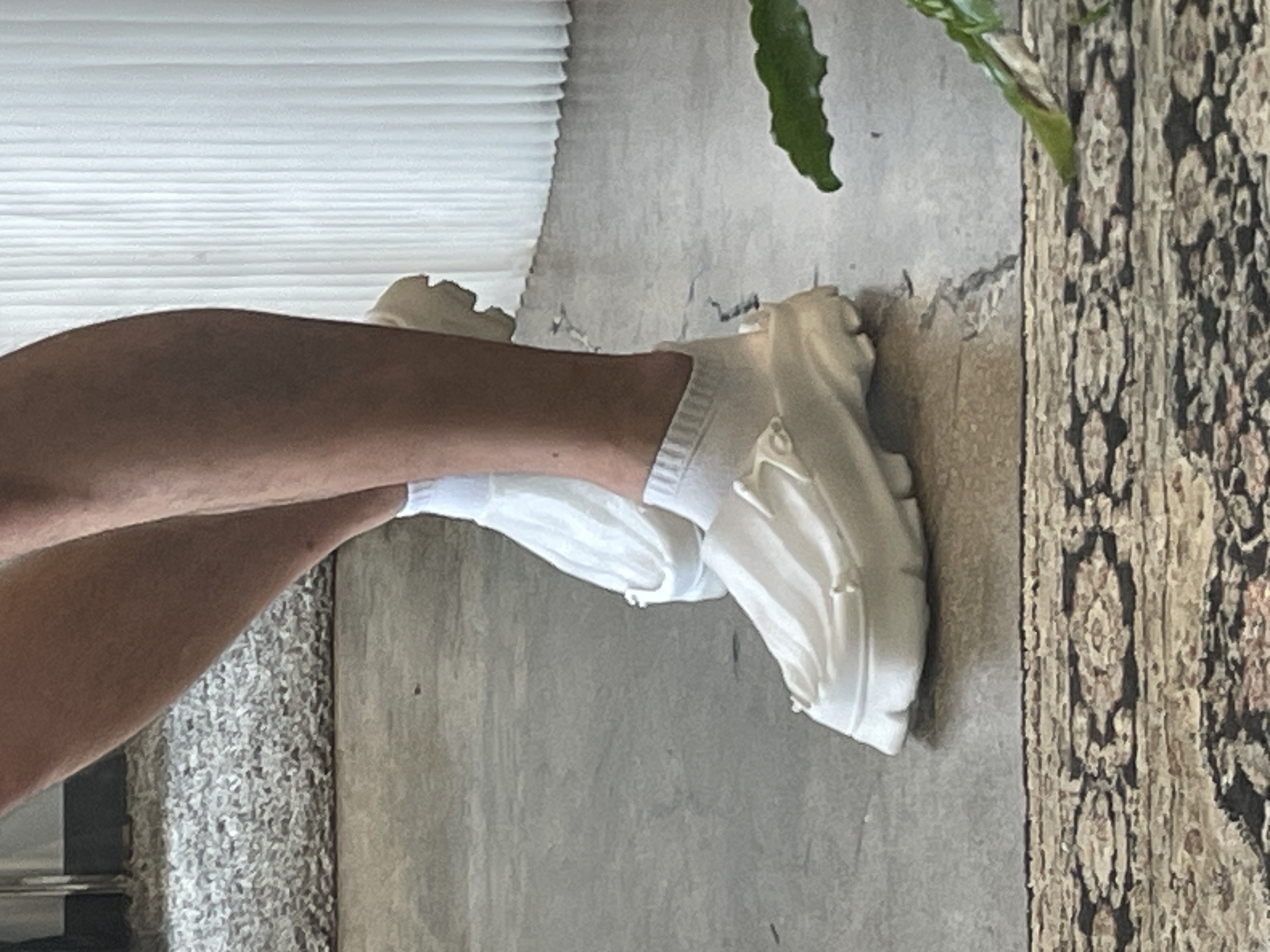
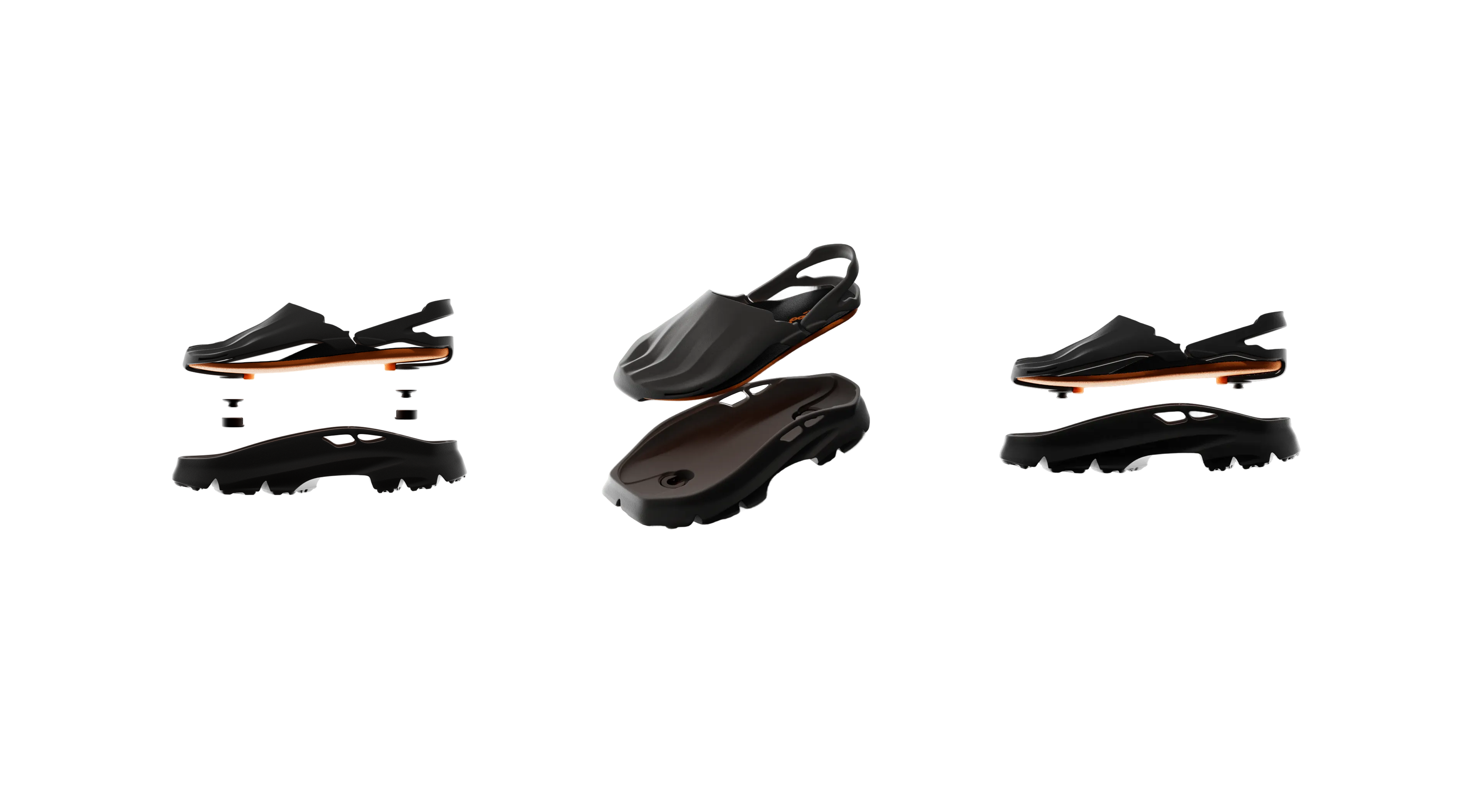
due to the manufacturing pivot, the FIDLOCK system was abandoned, but modularity lived on. the first paradigm.(0) release featured button snaps features for future module designs. all manufactured in our micro-factory; modules printed in PLA that snap fit into a TPE body
the percept:
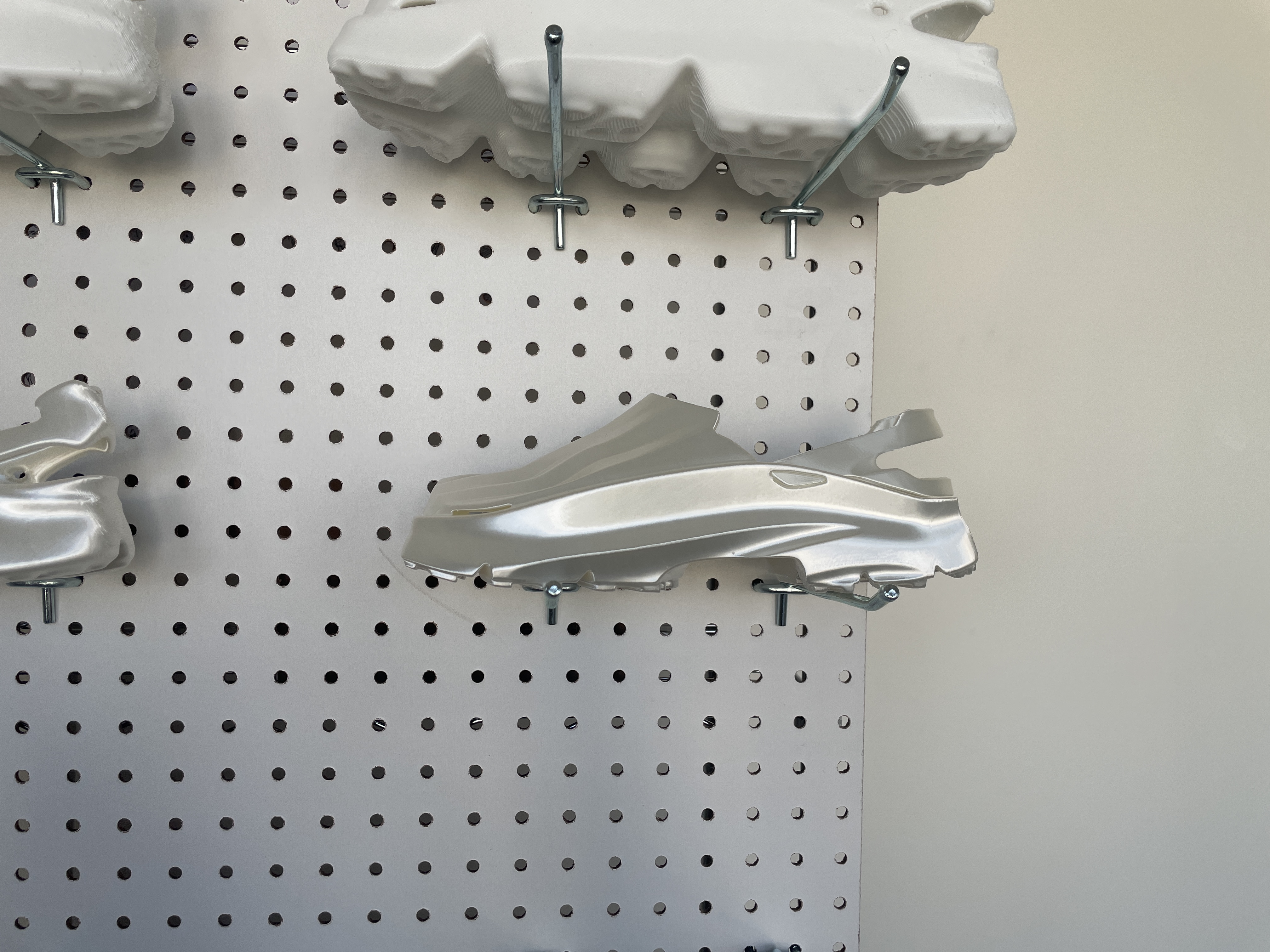
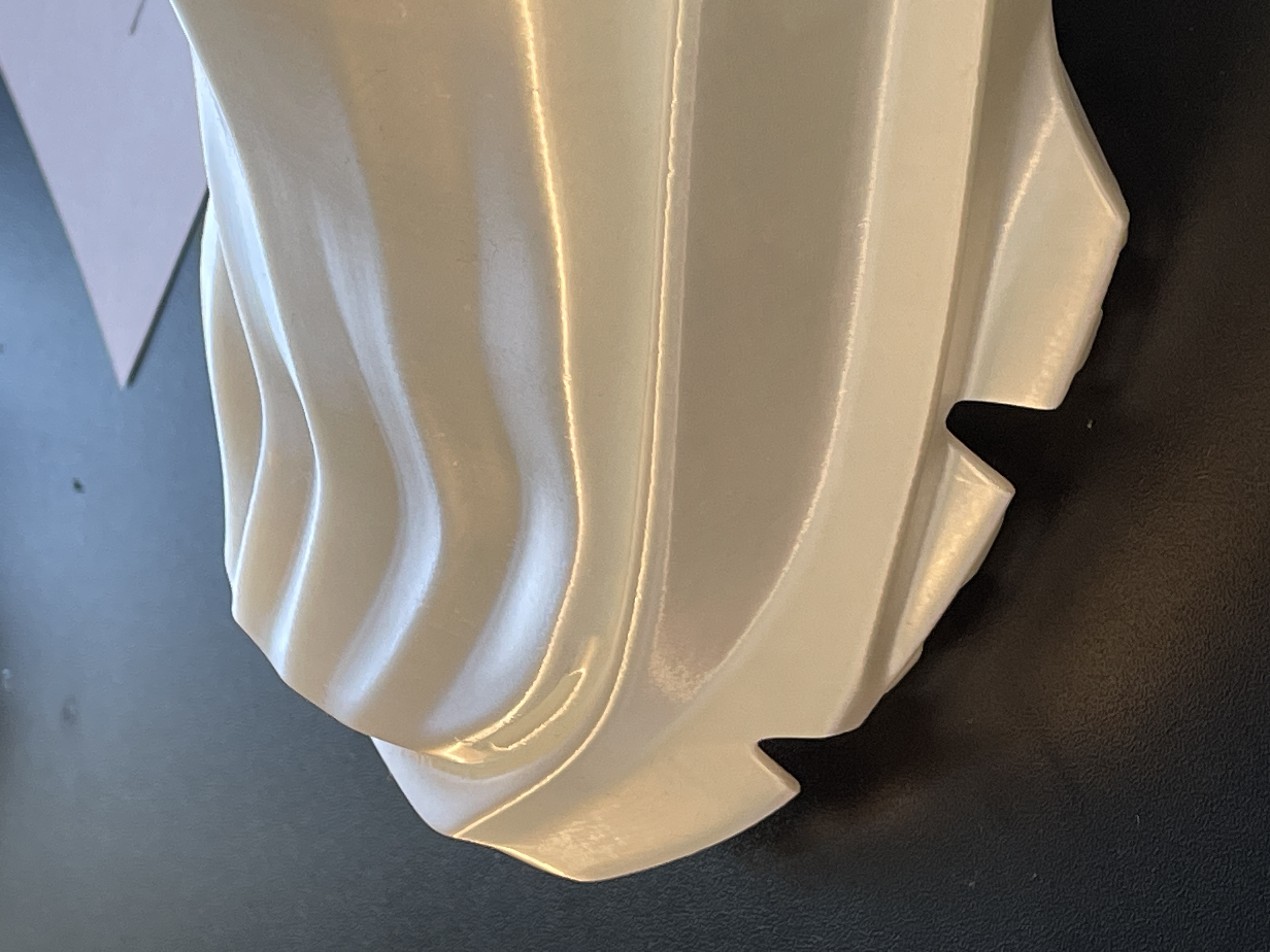
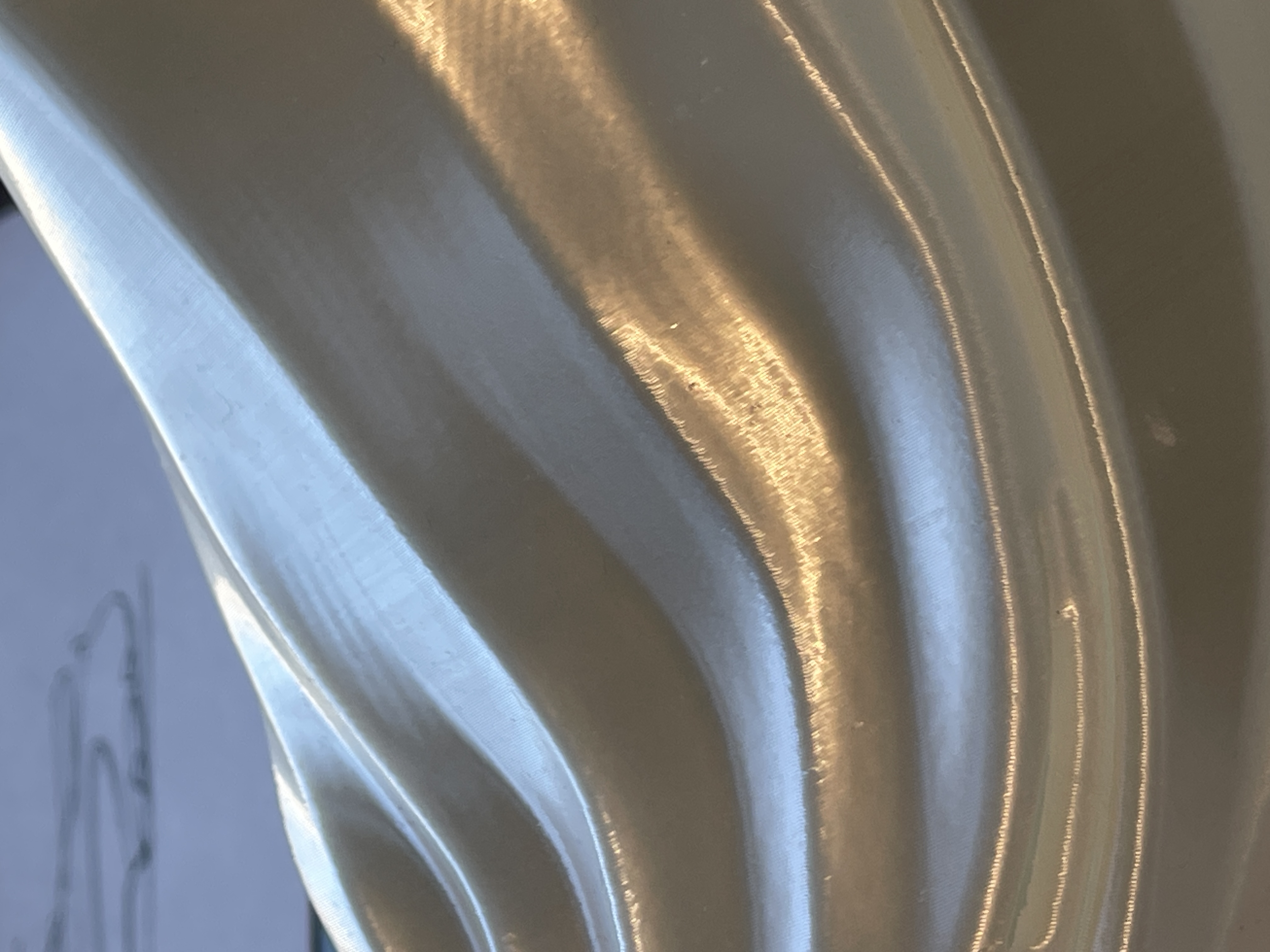
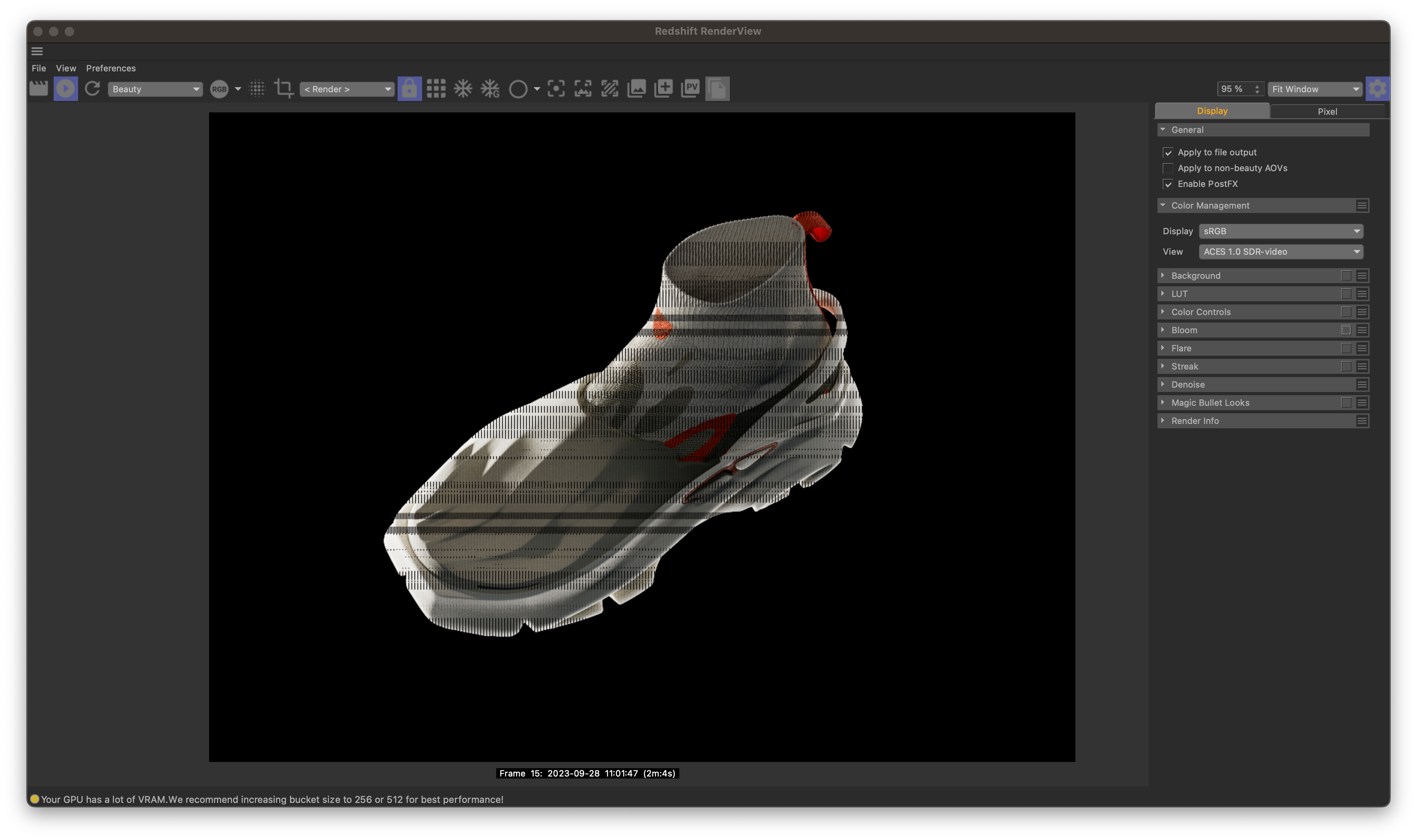
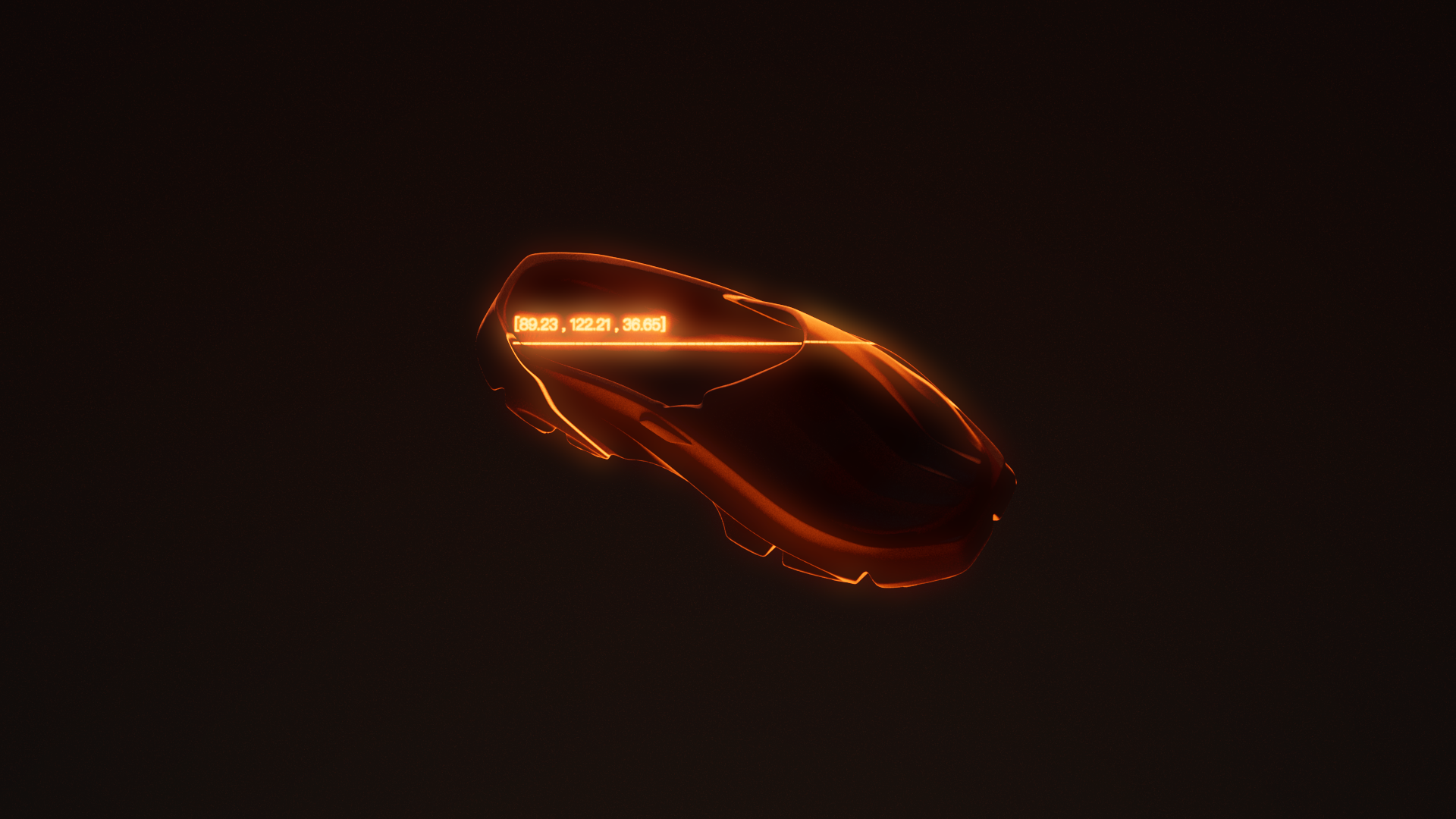
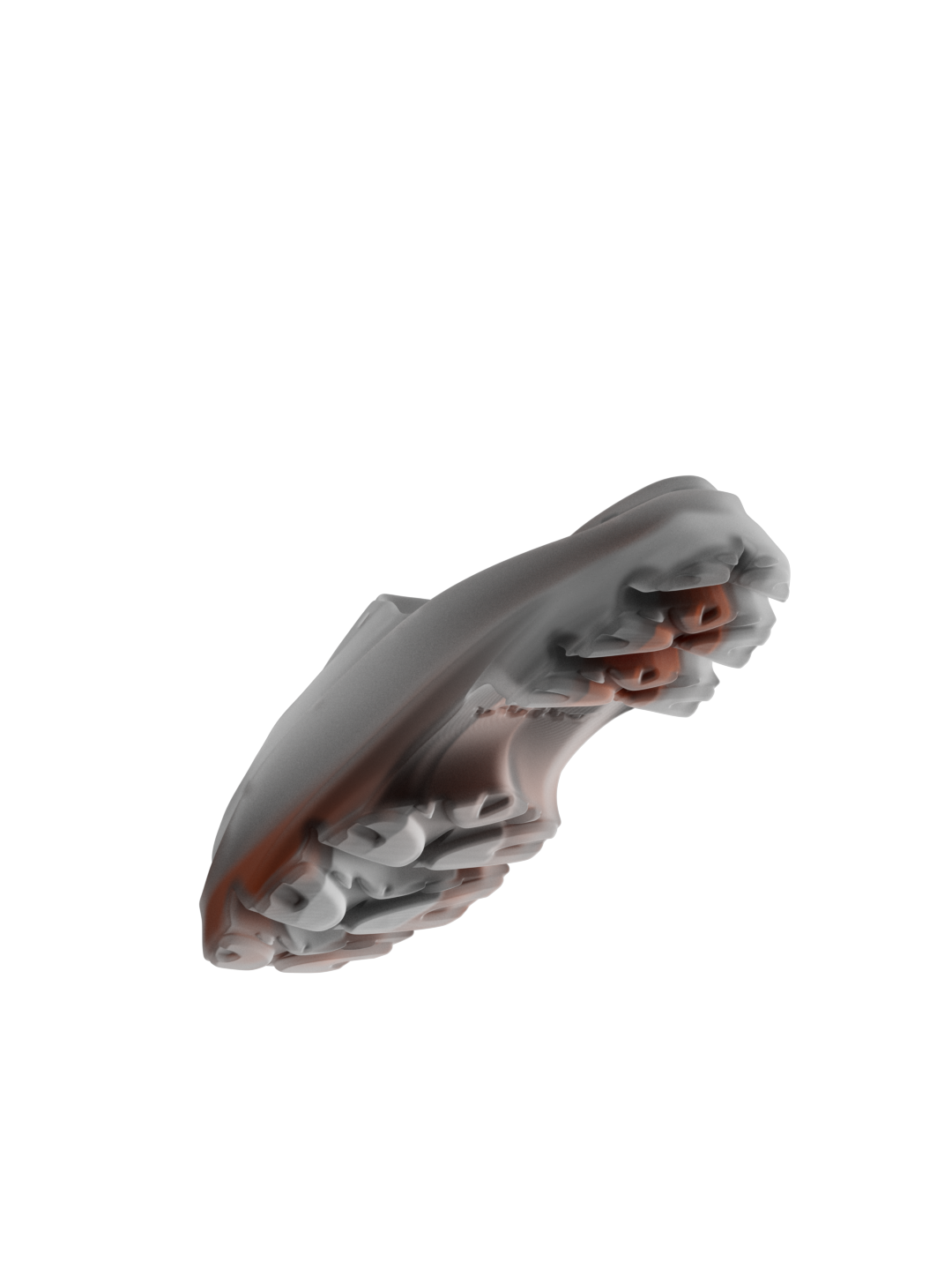
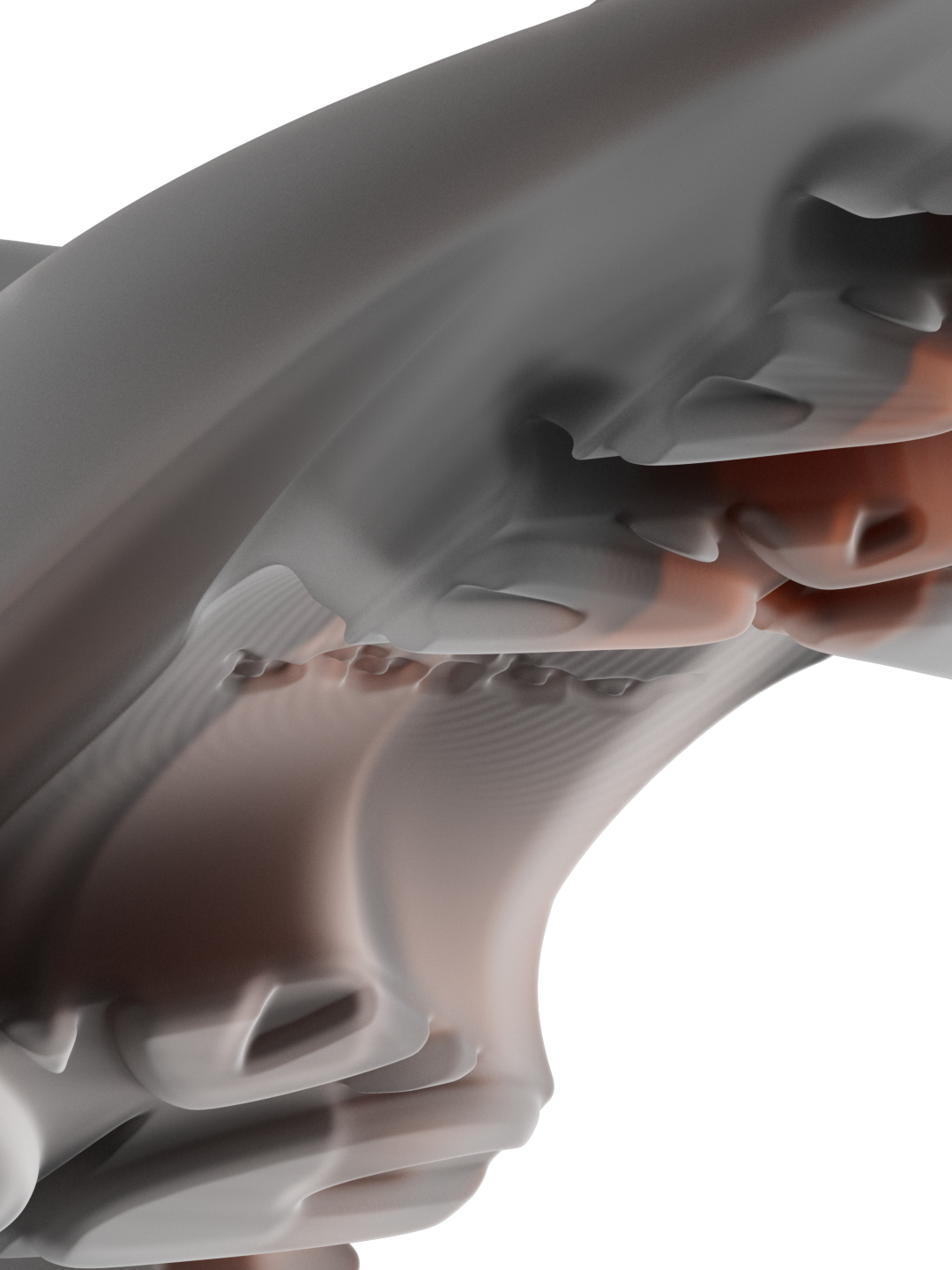
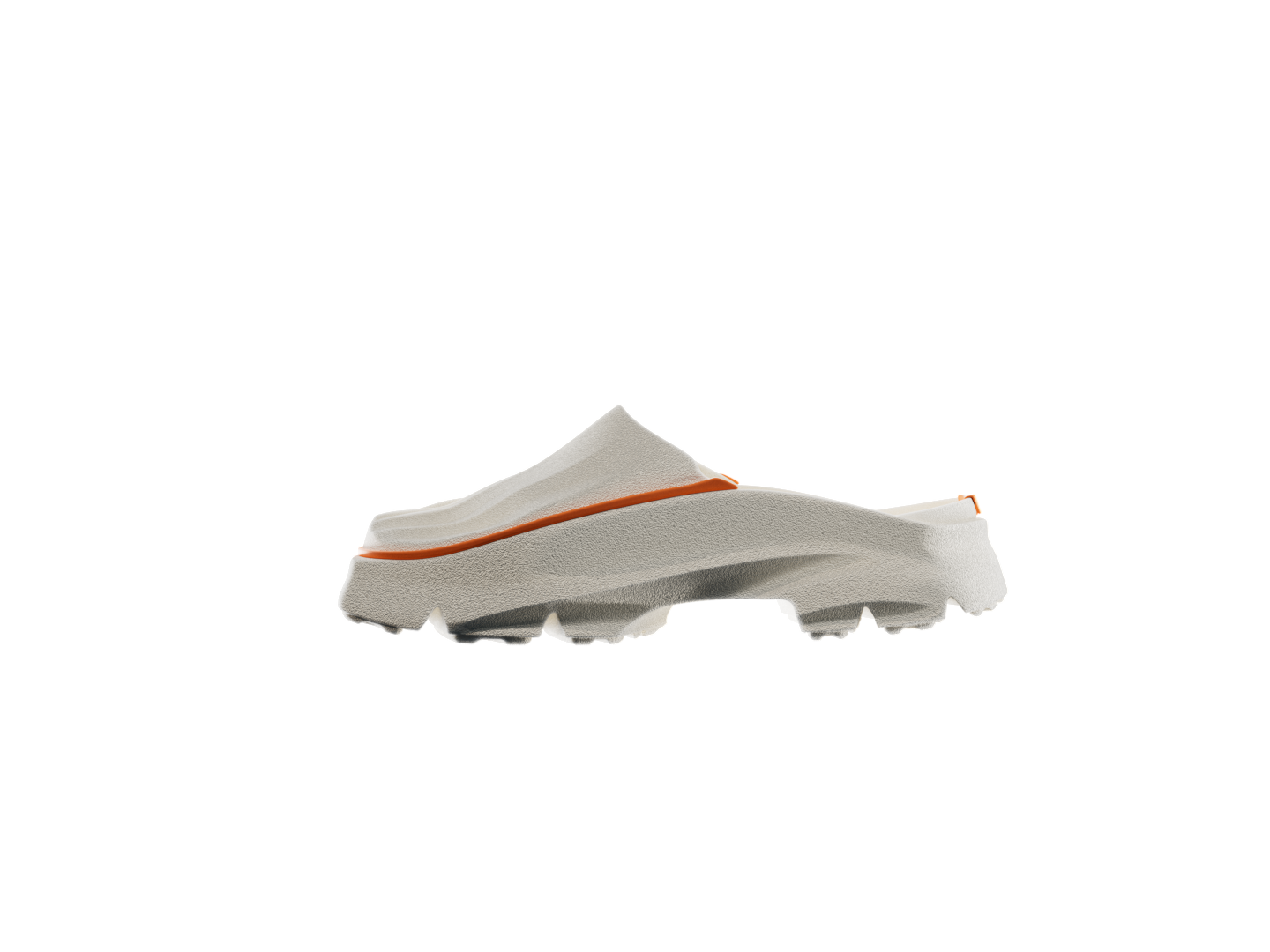
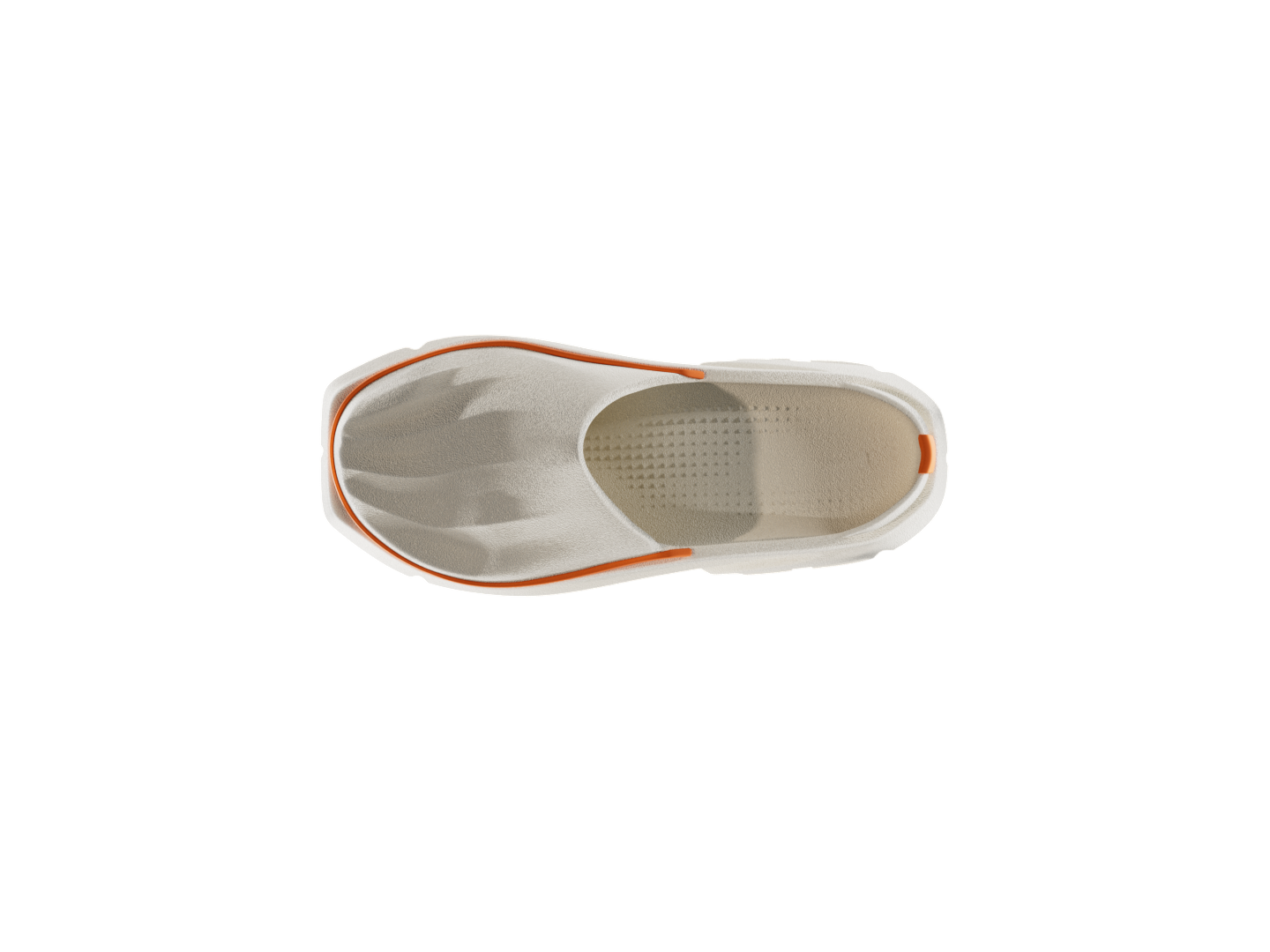
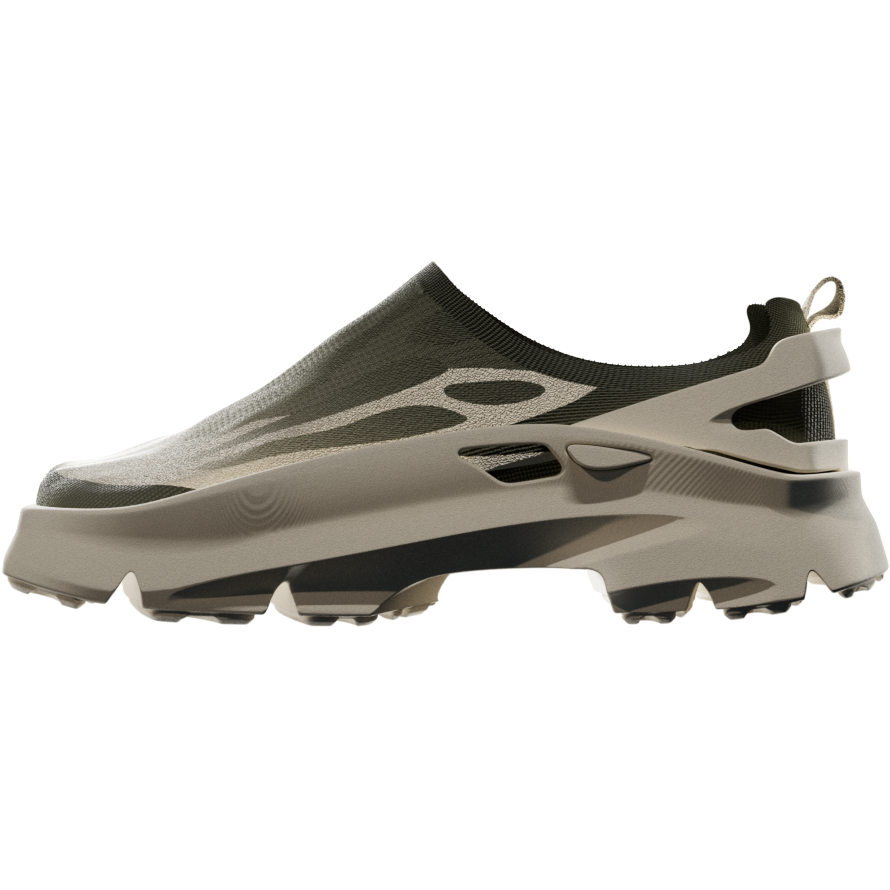
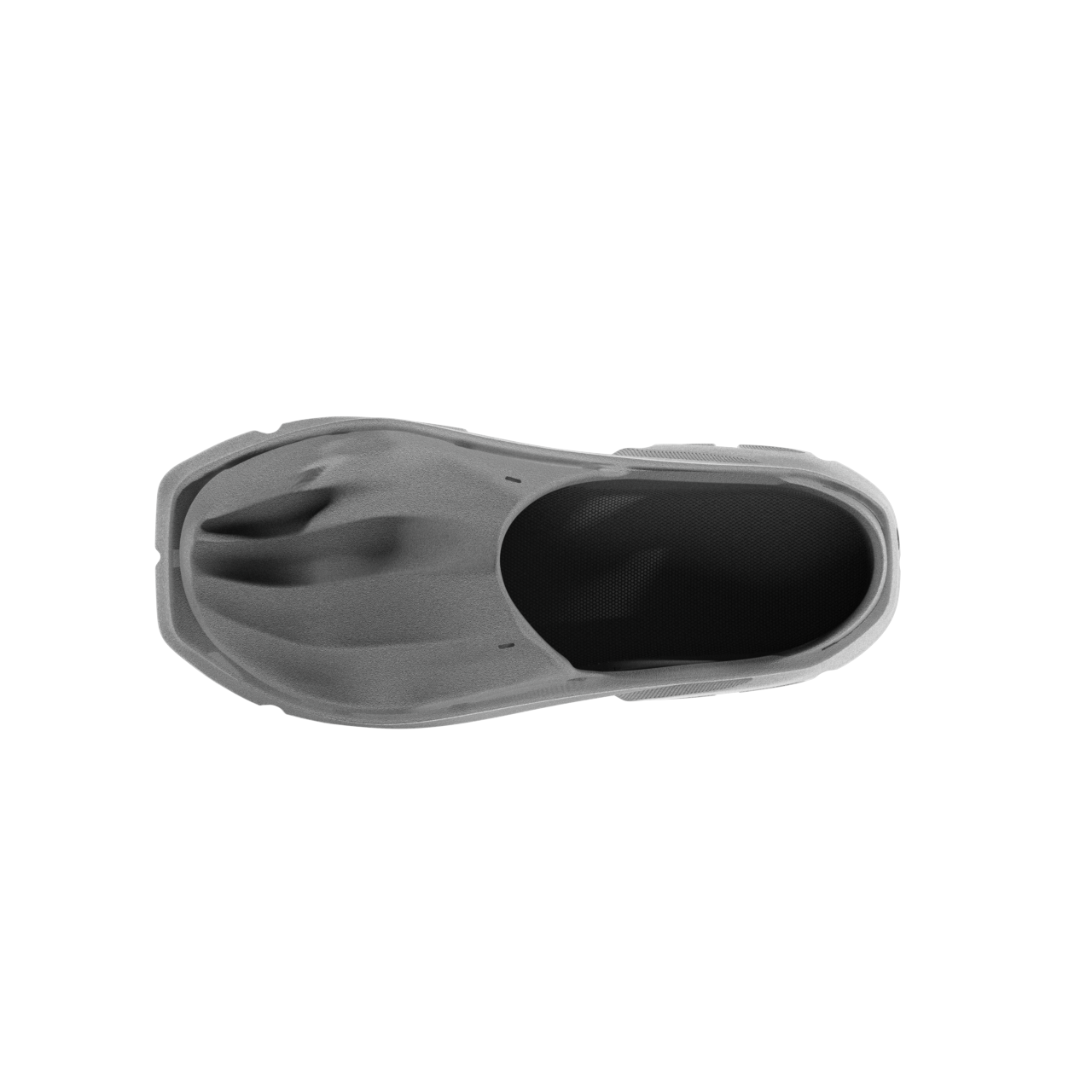
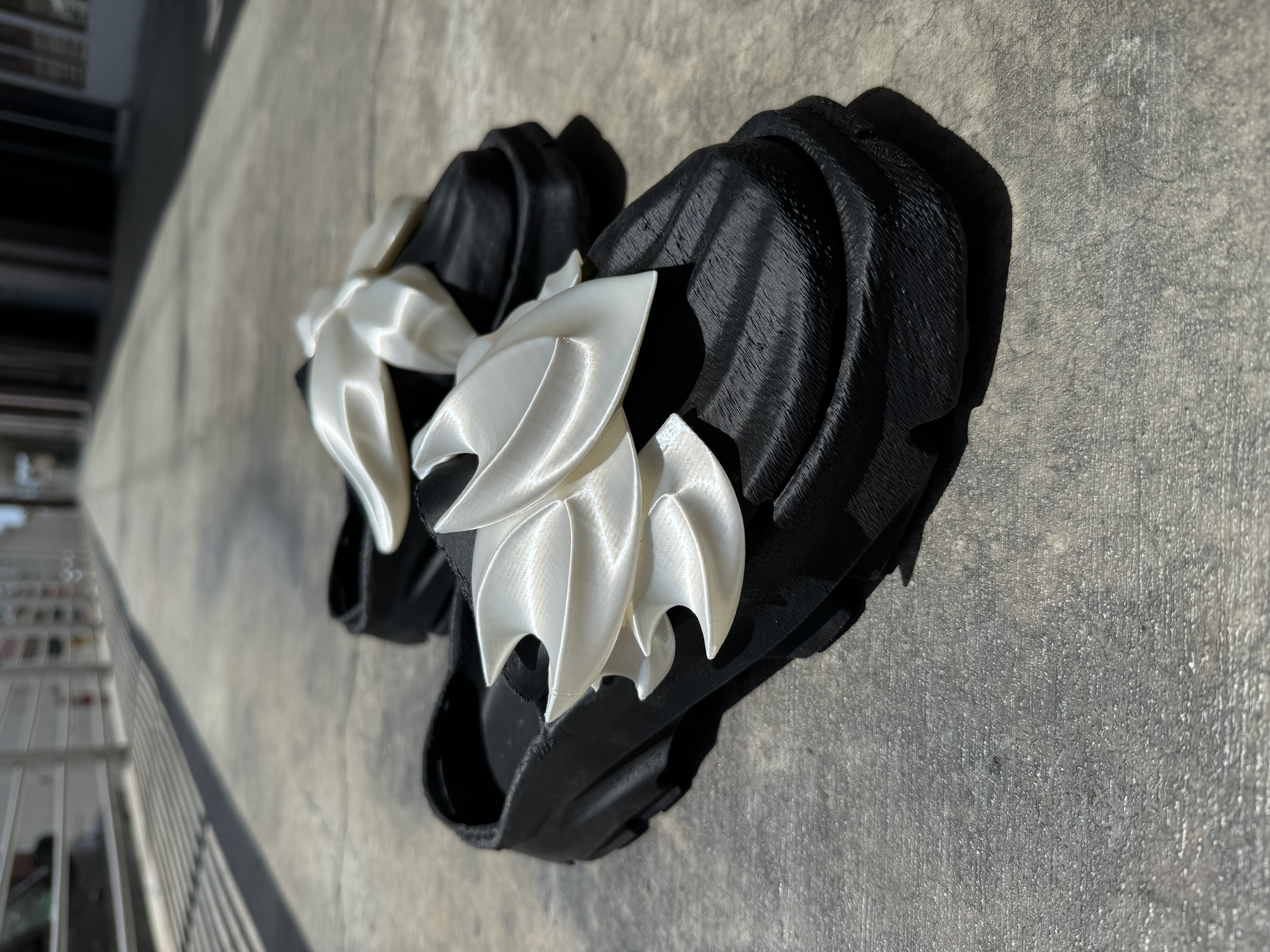
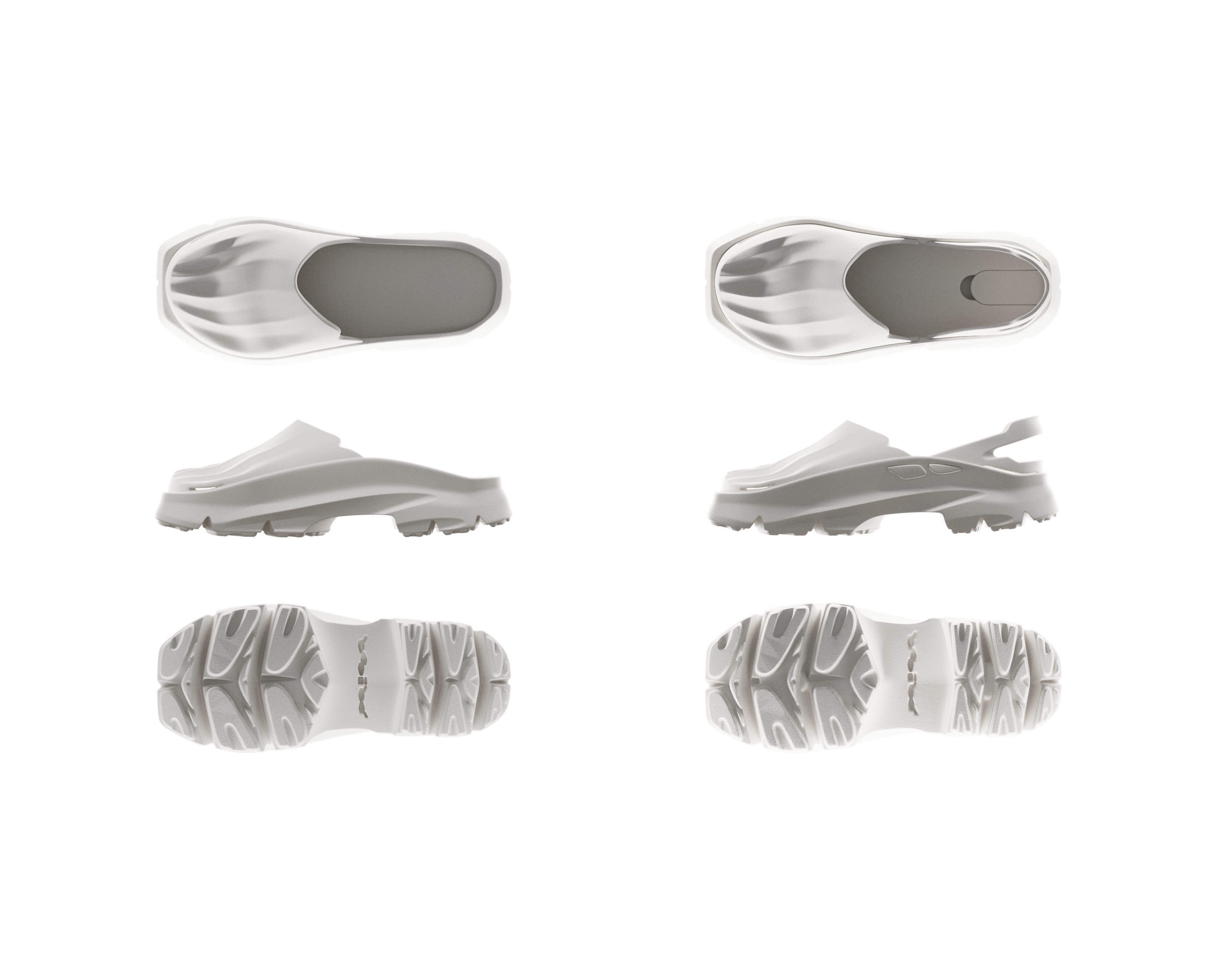
even without modules, the paradigm.(0) design stands strong. bold curves, automotive cut outs, and an aggressive stance the paradigm.(0) refuses to fit in.
Paradigm.(0) Jaya Kang Adam Saleh Jaya Kang Adam Saleh Qwenga Cole Monk Rehma Hassan Mikey Robins Steve Burstyn
the challenge:
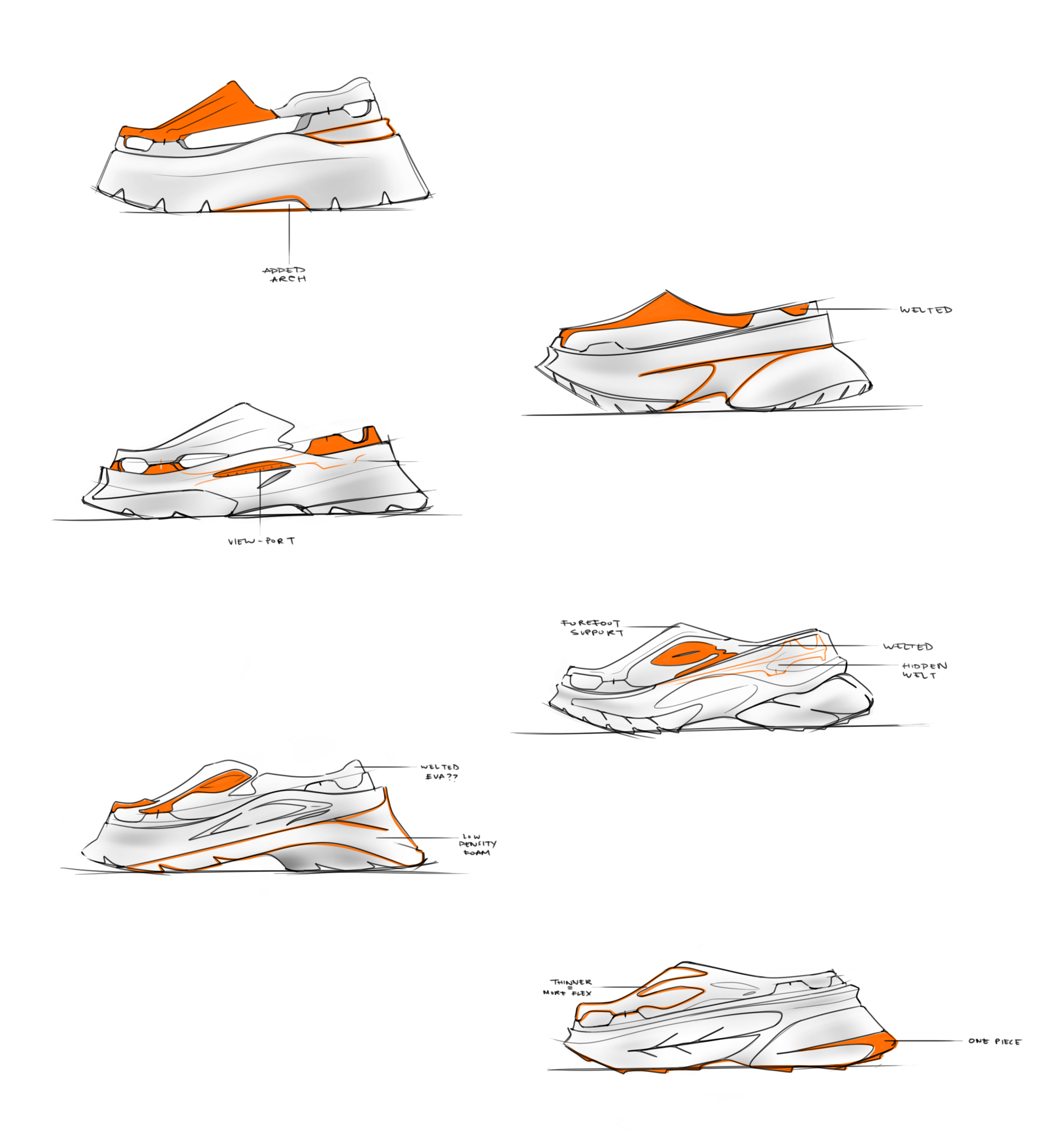
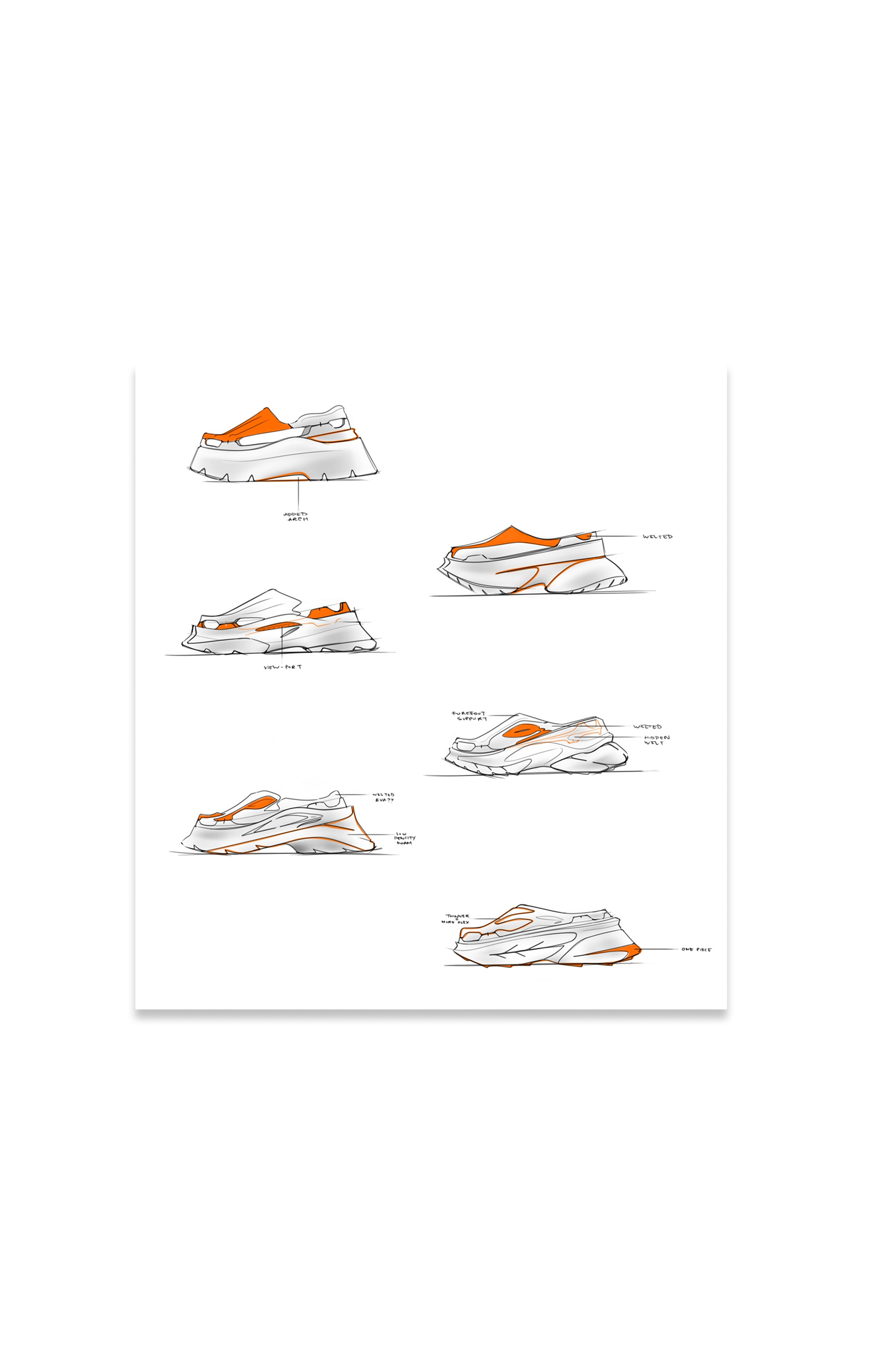
sample after sample; we battled with inconsistencies of EVA unwilling to compromise on the modular system i sought out alternative approaches to realization
last comes first:
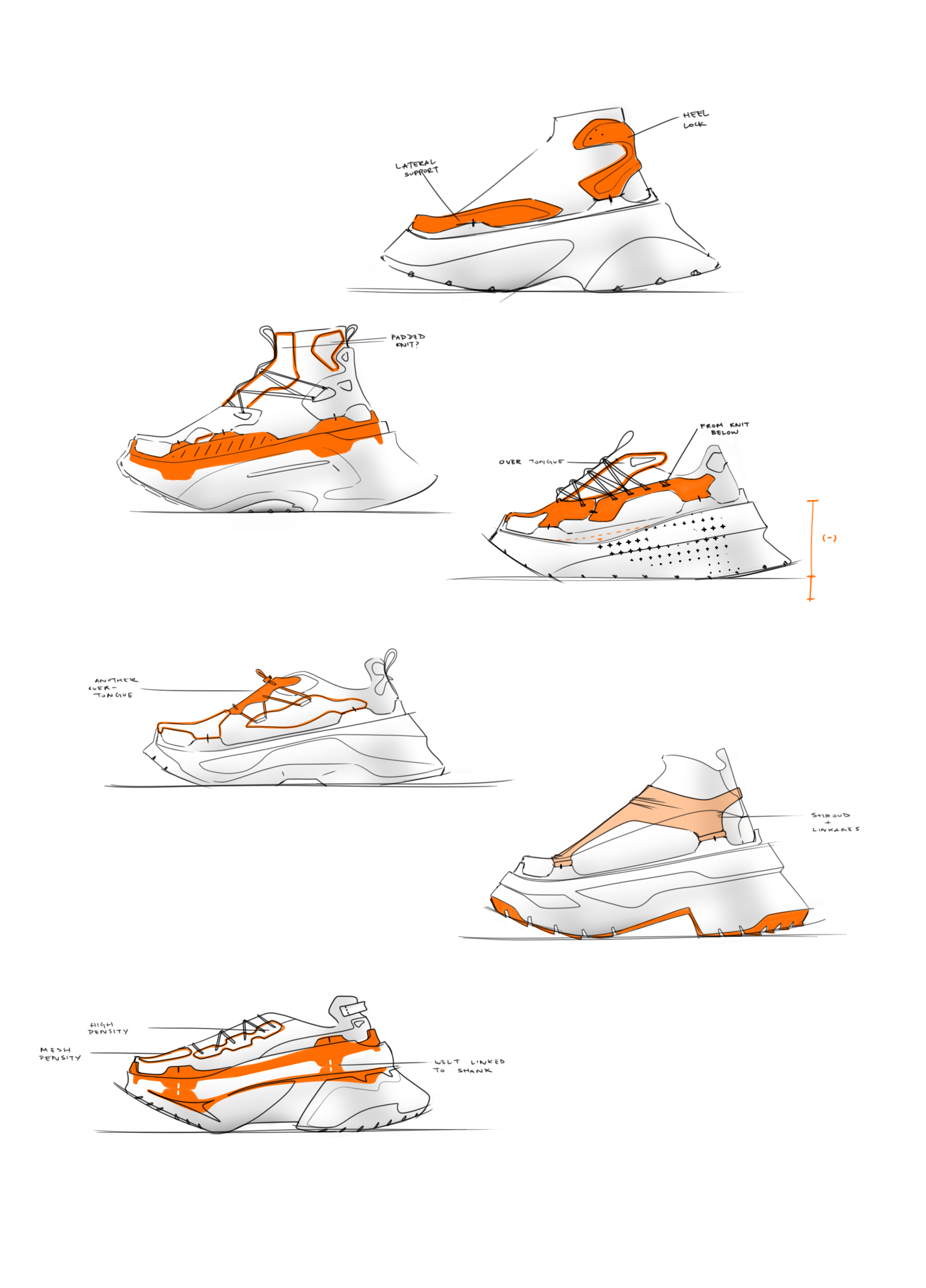
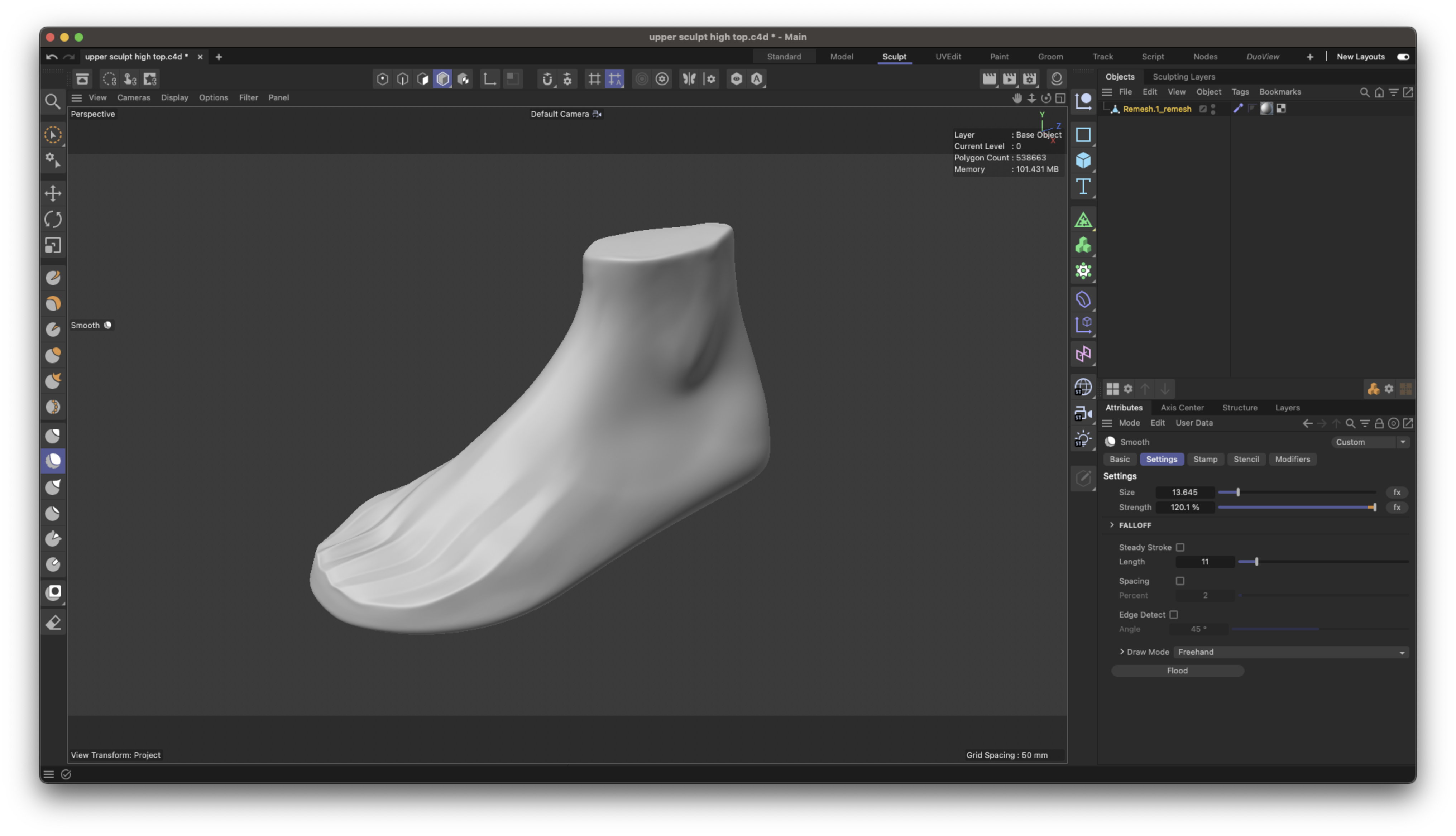
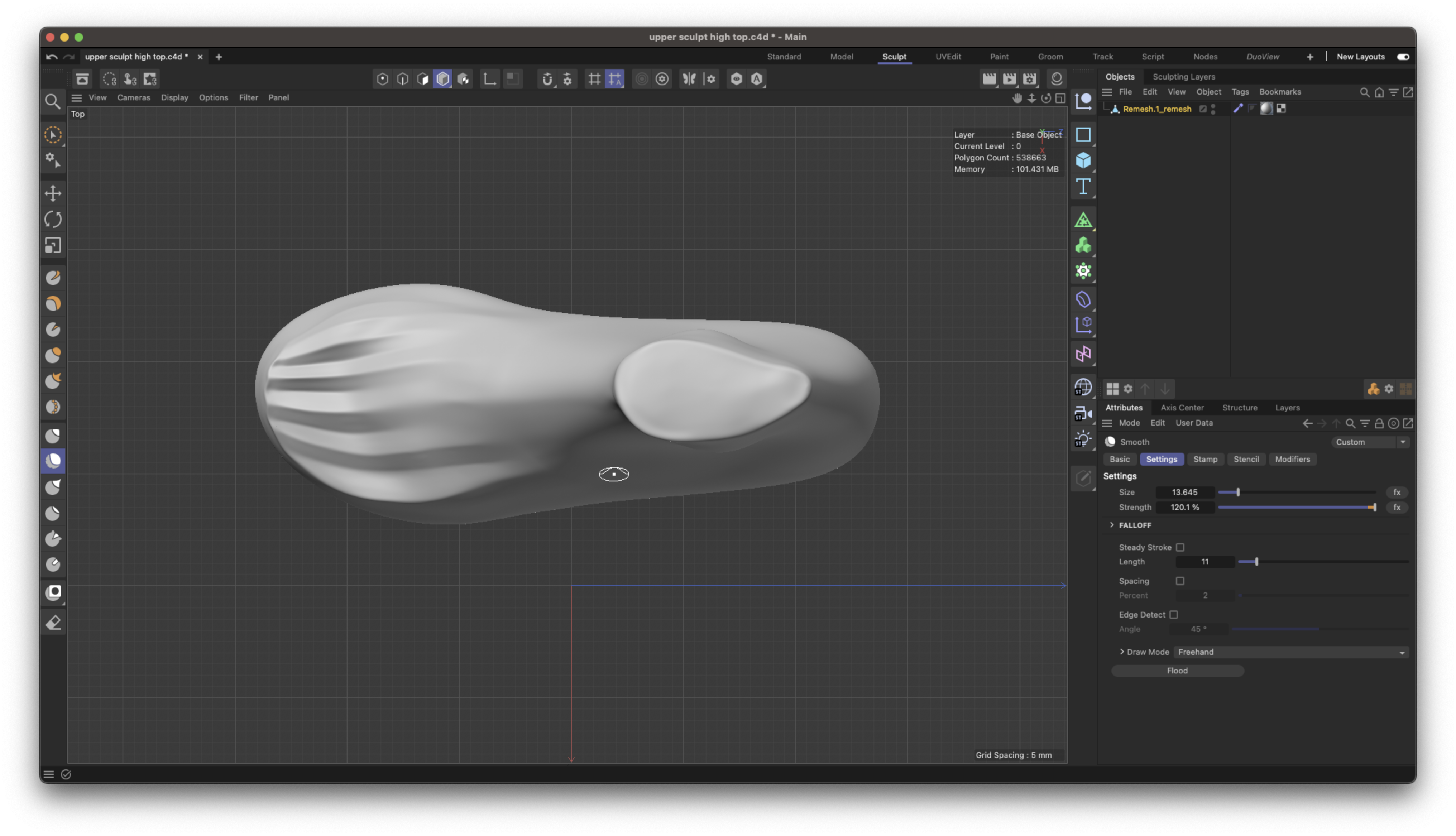
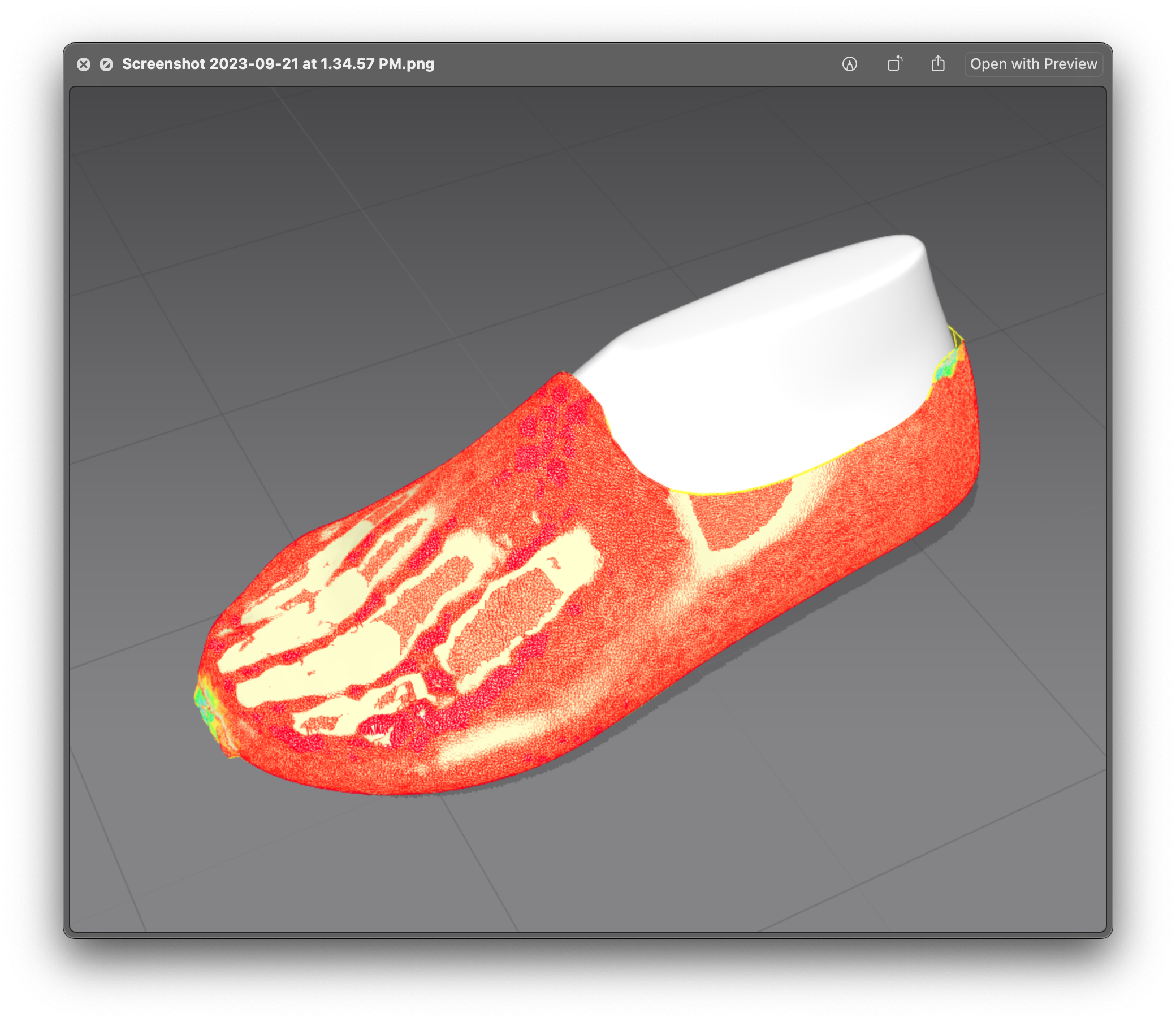
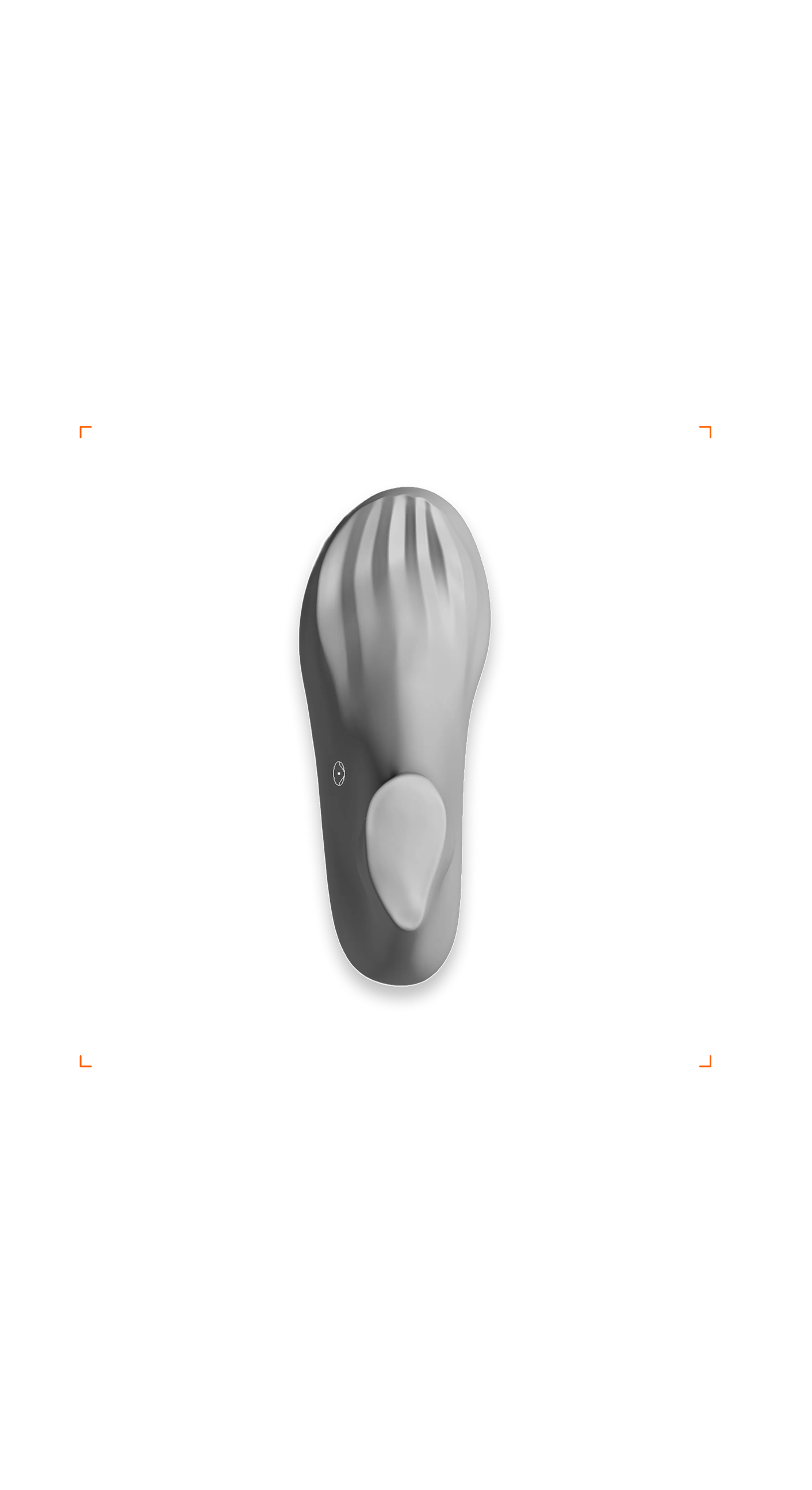
wide toe box sculptural anatomy biomimetic elegance
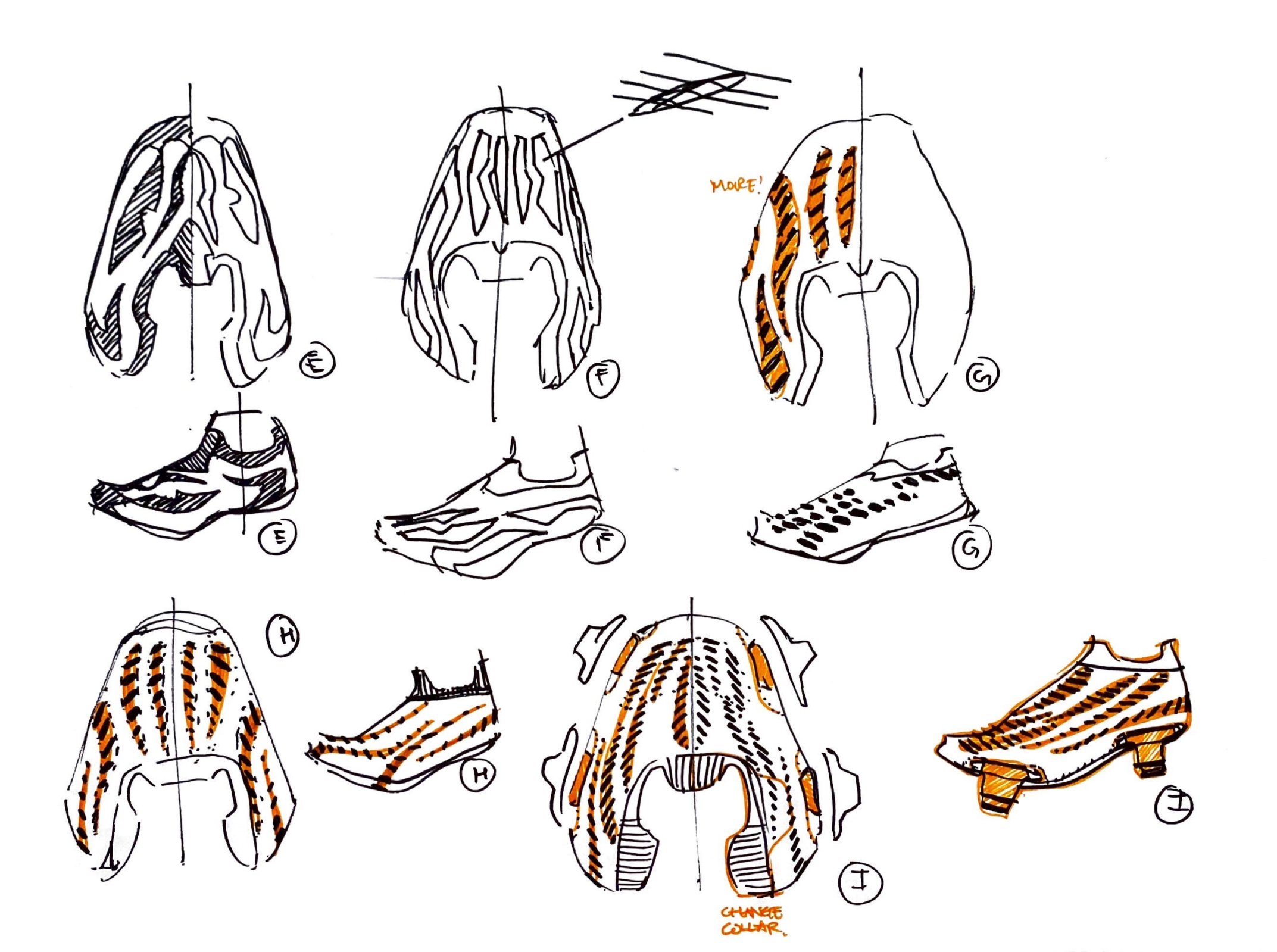
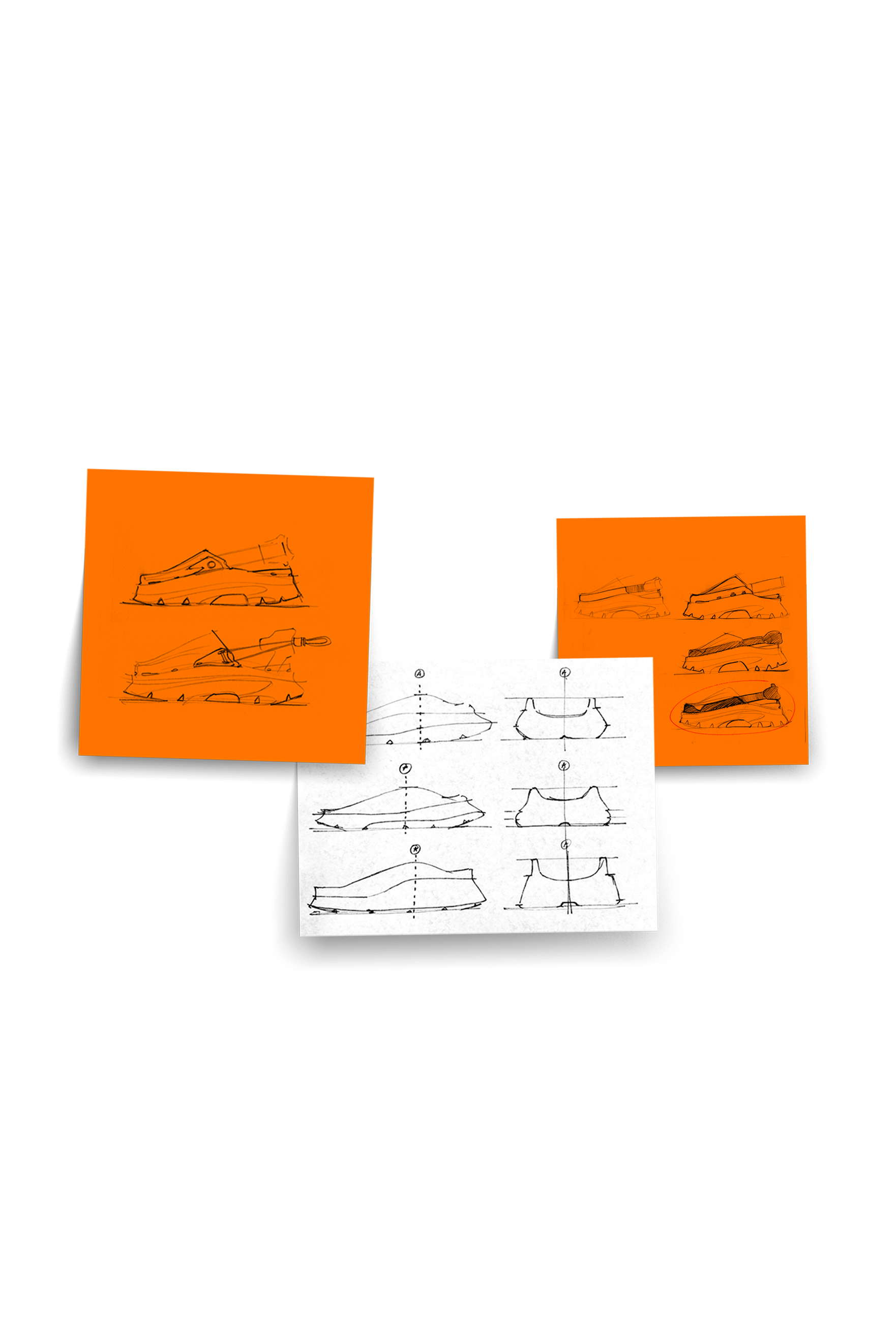
scribbles:
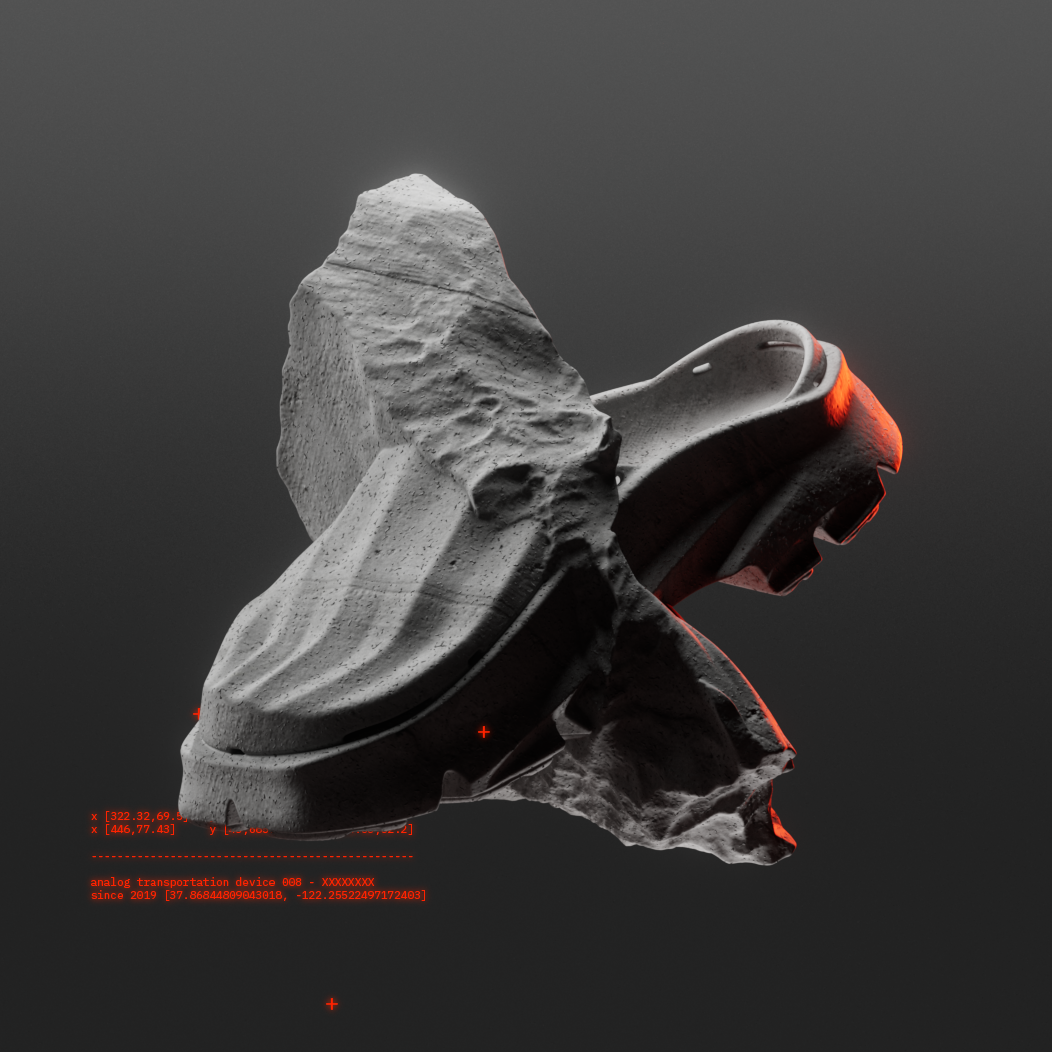
organic forms extraterrestrial in nature untethered to reality
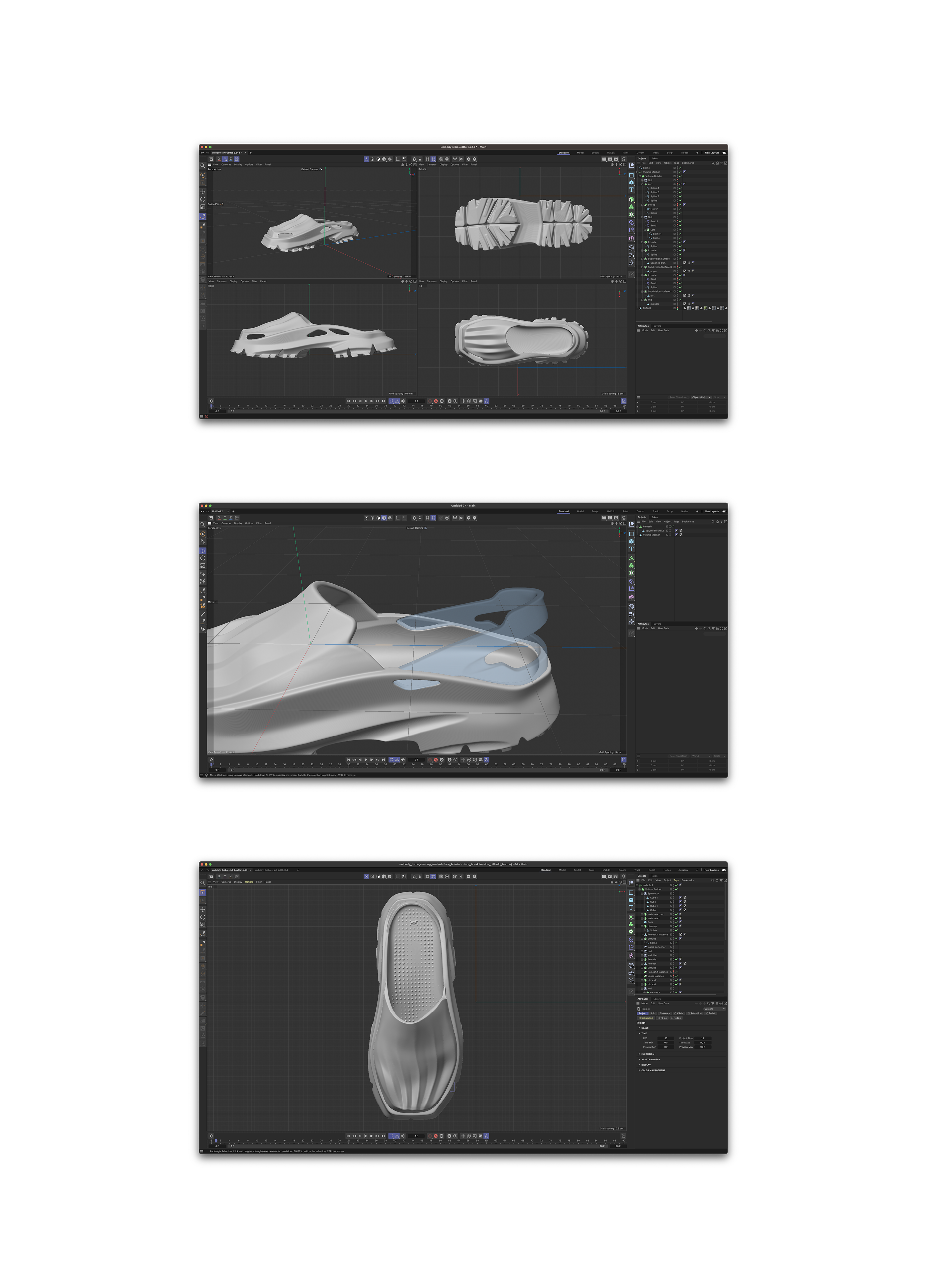
volume building flow:
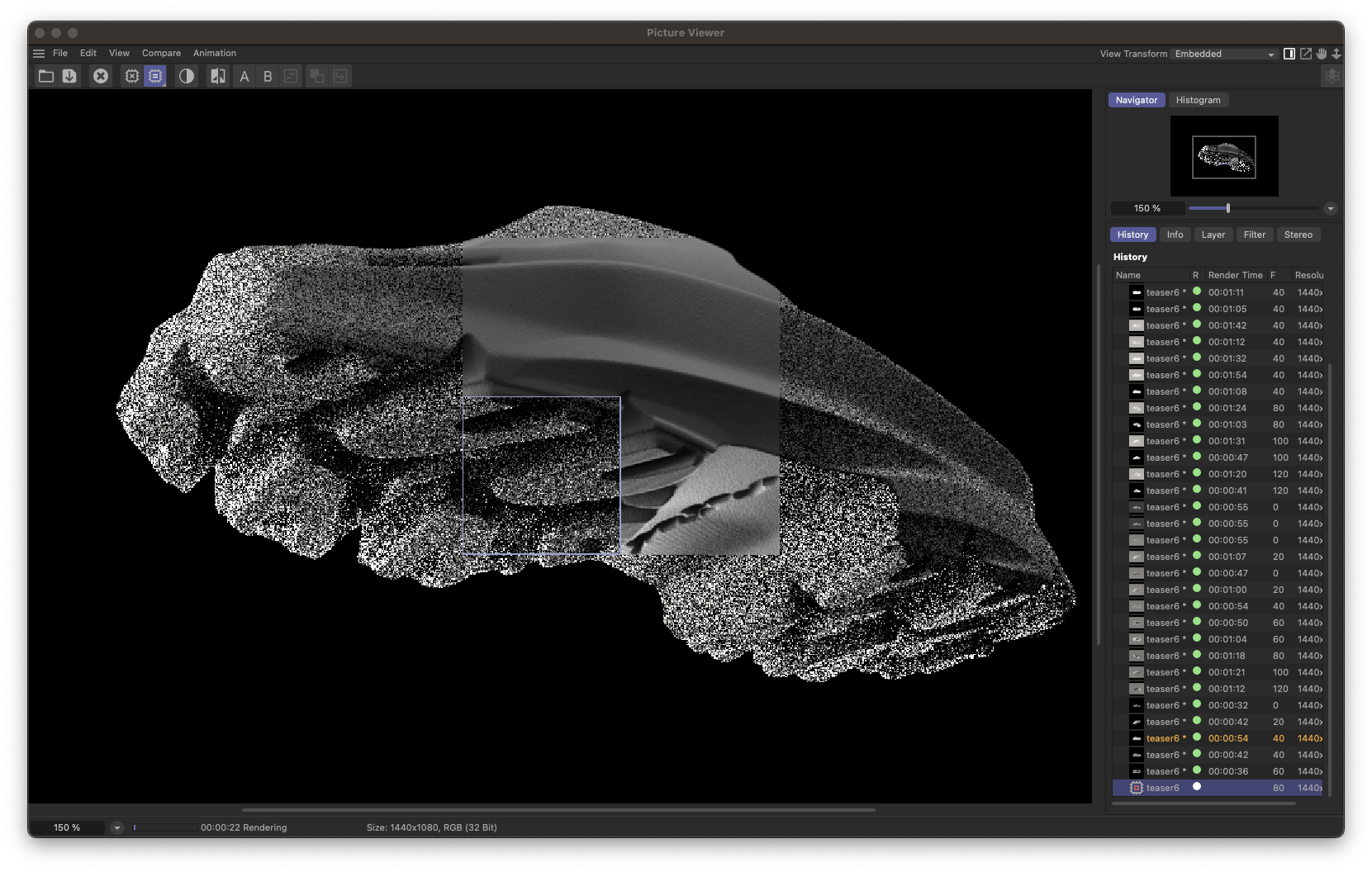
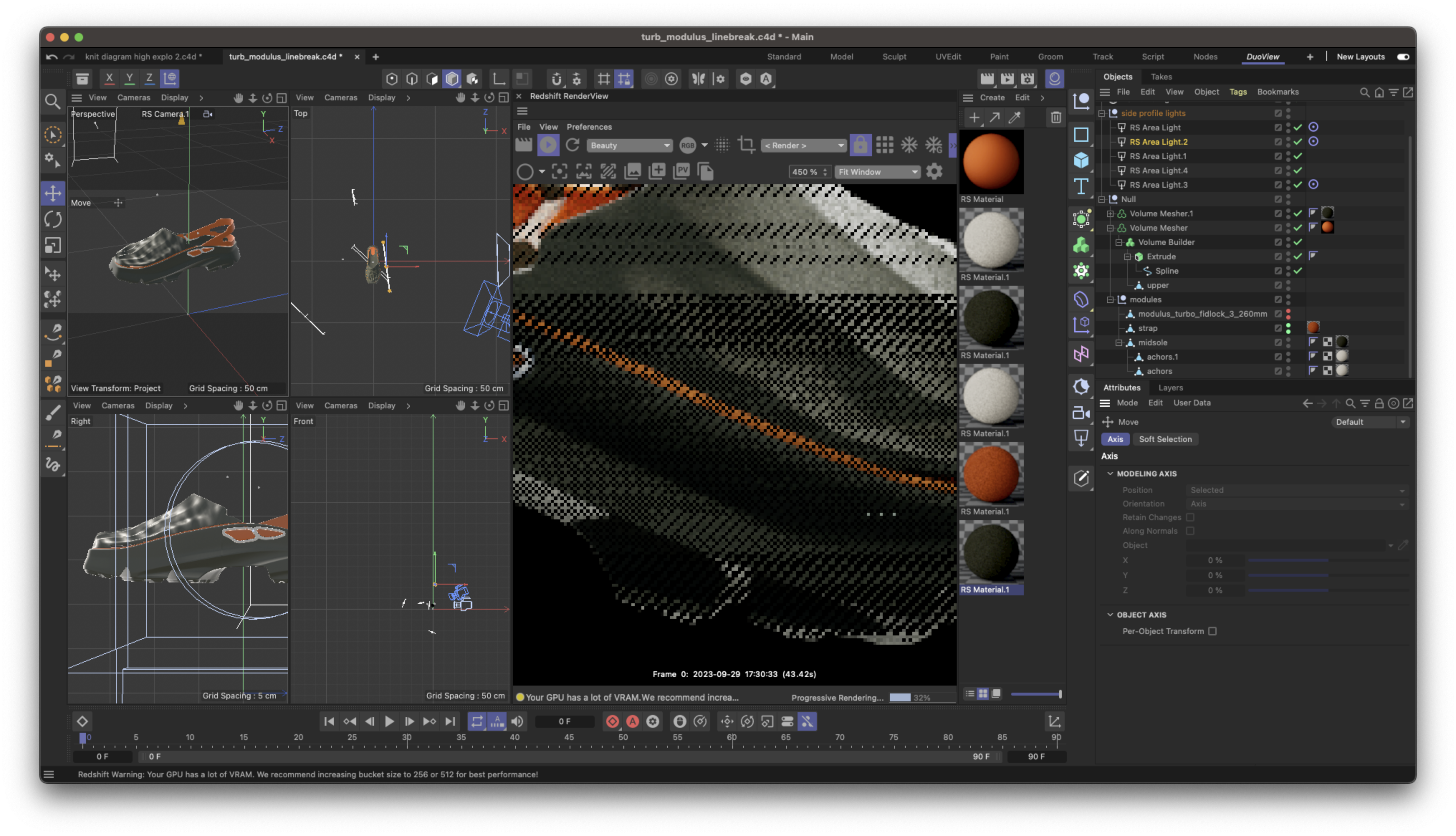
parametric implicit modeling break-neck iteration speed non-destructive exploration
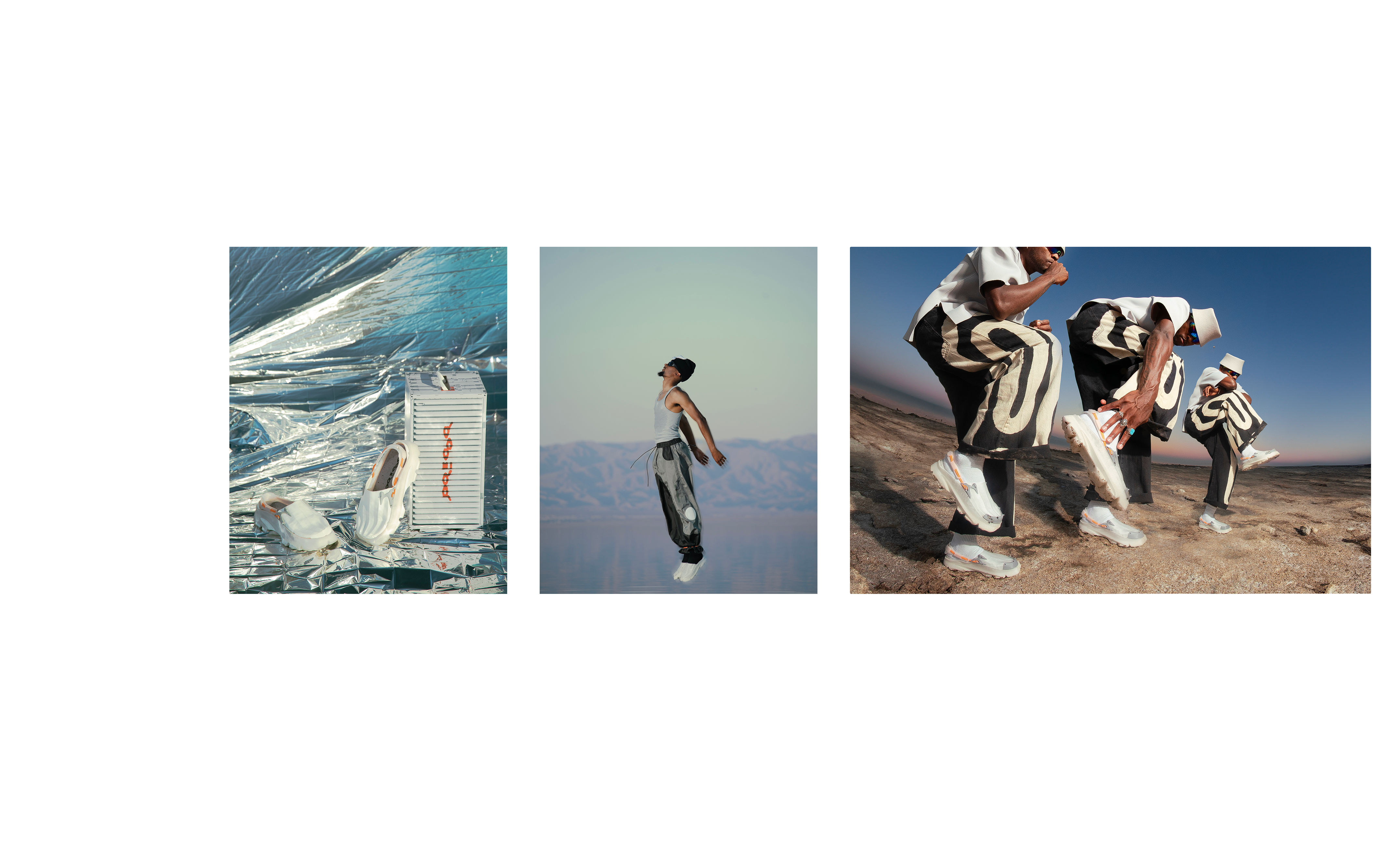
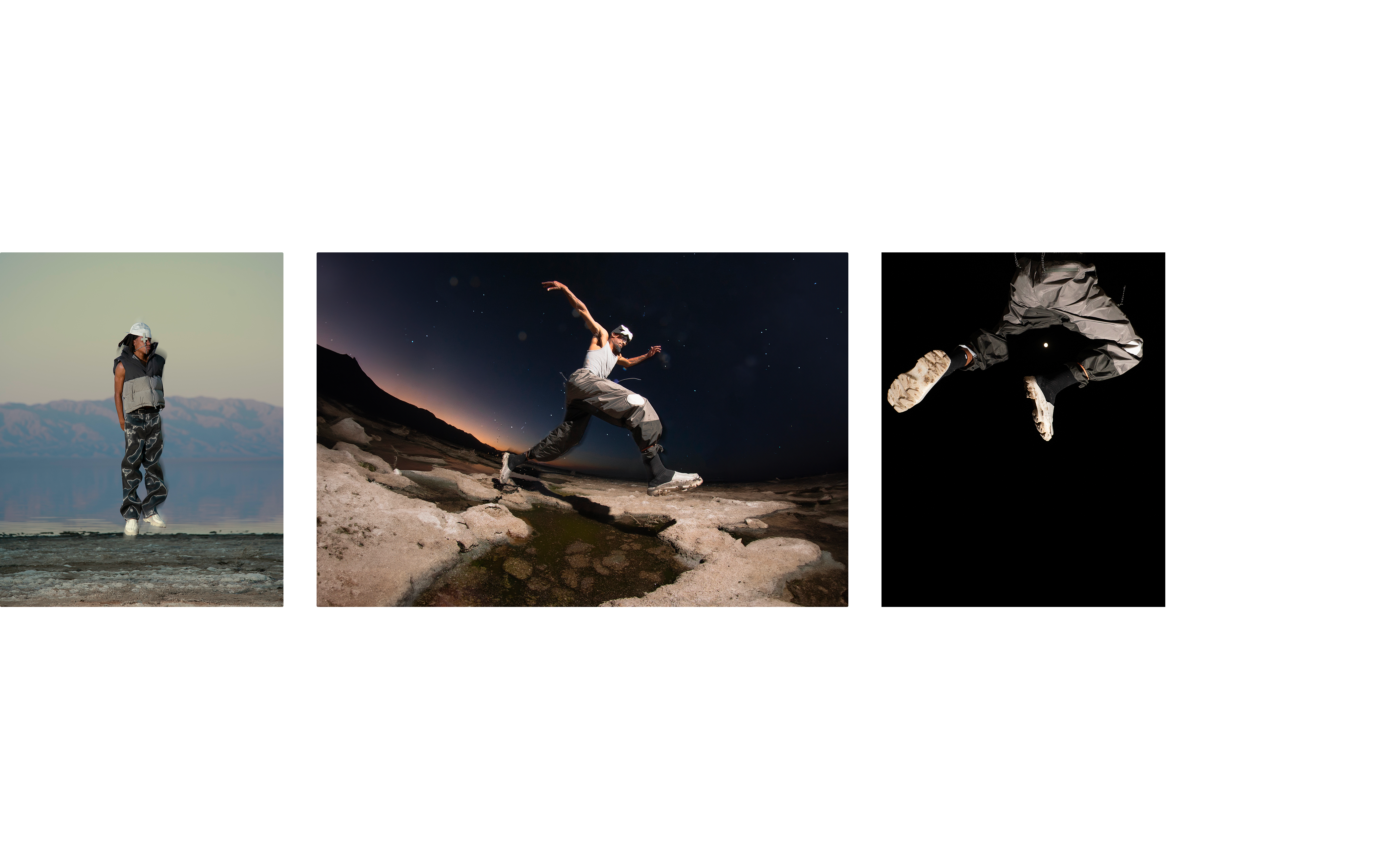
the campaign: art direction: shot & edited by: modeled by: production assistants:
art direction: all design work: operations and manufacturing:
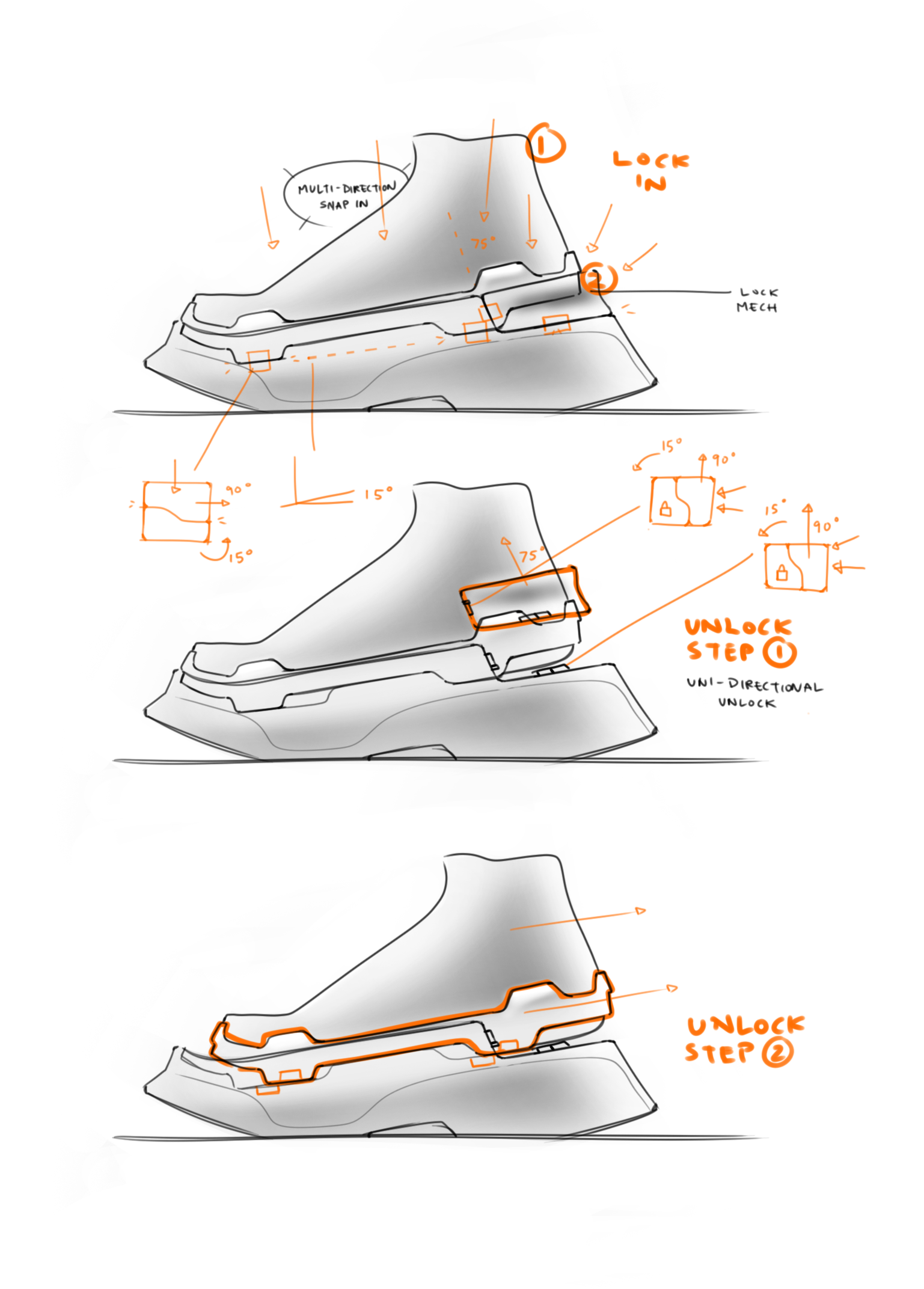
the early system:
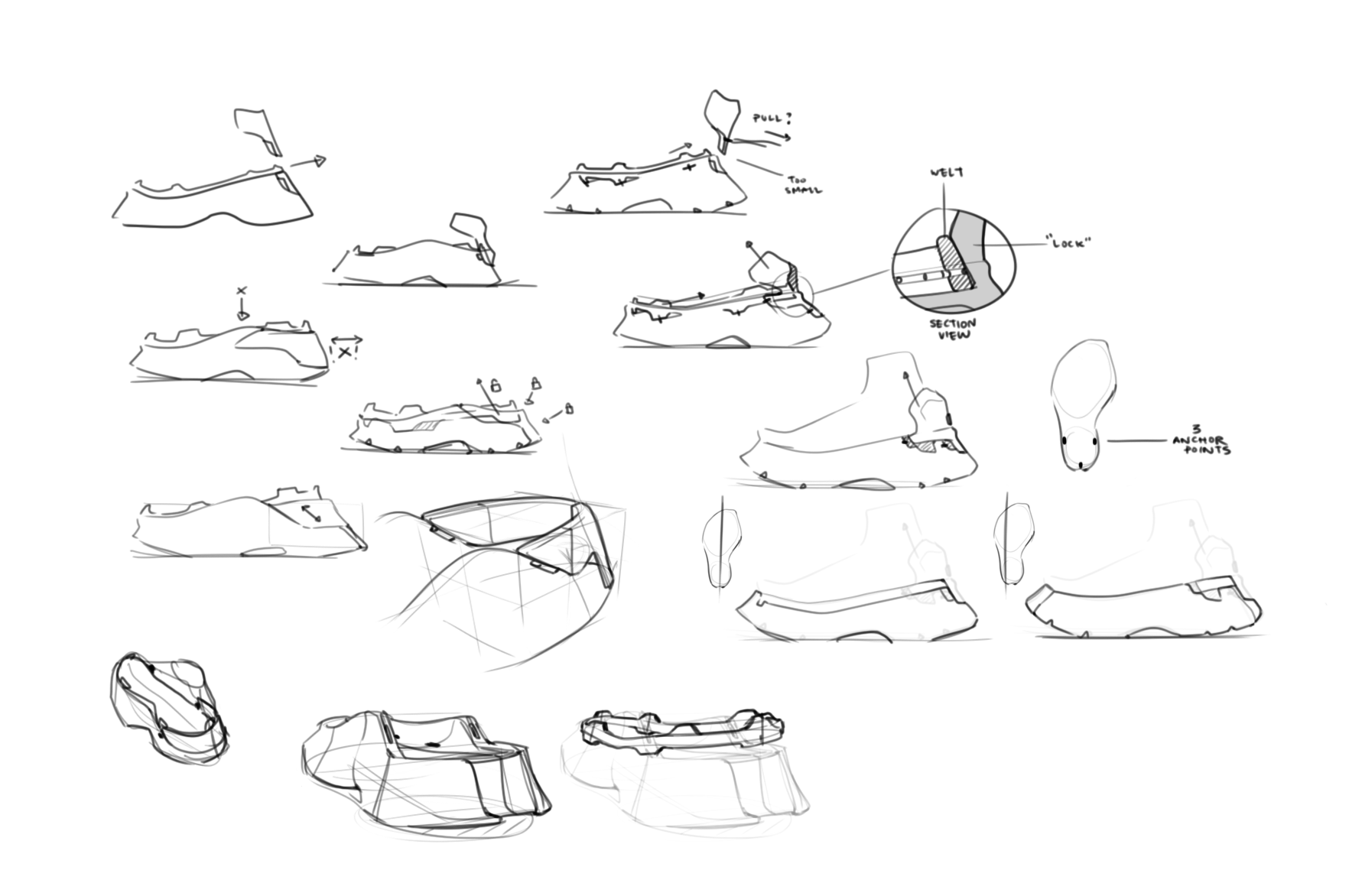
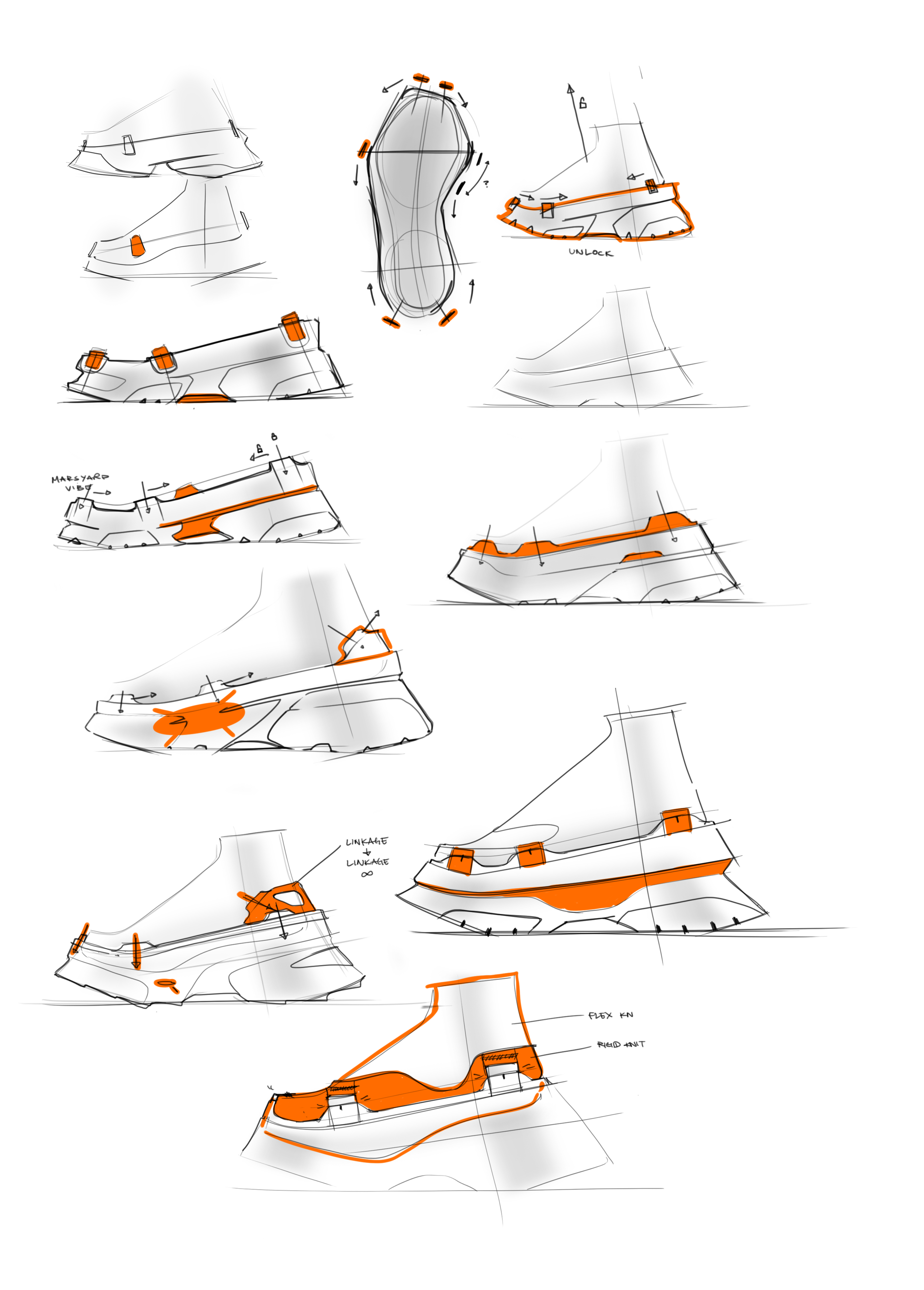
the initial modular systems were built off of the idea of embedding a FIDLOCK mechanism in the midsole of the shoe. with omni-directional locking and uni-directional unlocking, the system provided like-magic assembly, and stable disassembly.
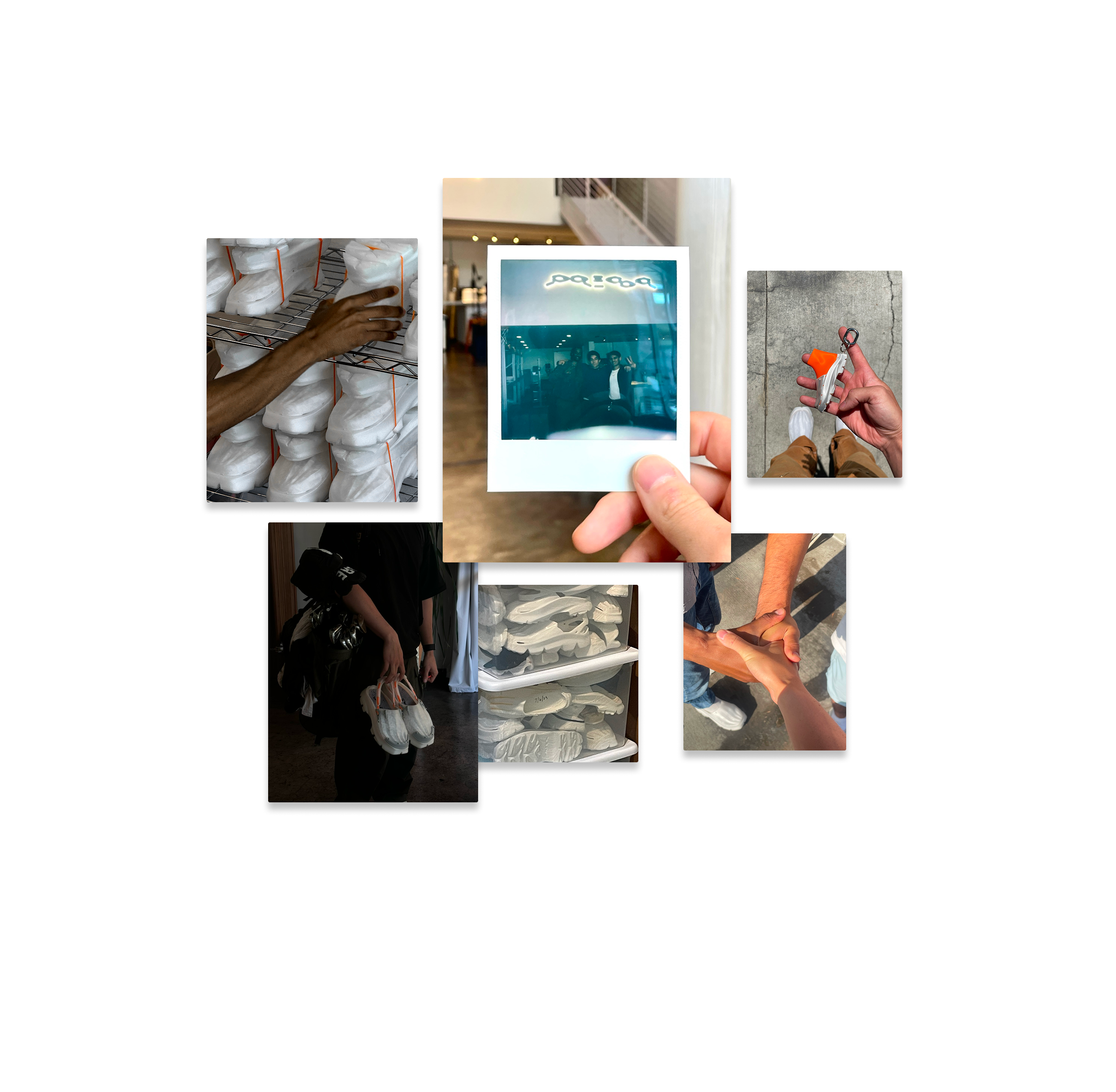
the presq team
Adam Saleh Mikey Robins Steve Burstyn
abstract:
modular design is nothing new in footwear. it presents an exciting challenge for designers and, when done well, offers real value to the consumer—components that can be replaced due to wear, or a product that can adapt alongside one’s outfit or identity. too often, however, modular footwear becomes overly involved, asking the wearer to fiddle and fidget, ultimately distracting from the magic of why the product exists in the first place. when I first met Adam and we began working on Presq’s first product, the question became: what if modular footwear could snap together like magic? a system of modules with near-infinite permutations—reflecting the many personas we embody at any given moment. from there, we took off sprinting. throughout the process, we explored a wide range of approaches, from magnetic components to snap-fit geometries, learning firsthand where modularity succeeds and where footwear manufacturing presents real constraints. these explorations ultimately led us to 3D printing as the primary method of realization—chosen for its ability to rapidly adapt, iterate, and support an ever-evolving design language. the paradigm.(0) project is built on the principle of unlimited self-expression. it can stand alone as a unibody mule or expand through a modular system designed for quick, intuitive, and interdependent interchangeability. as our identities are deeply intertwined with the things we own and wear, paradigm.(0) represents a first step toward reclaiming agency over our own material culture.
process